






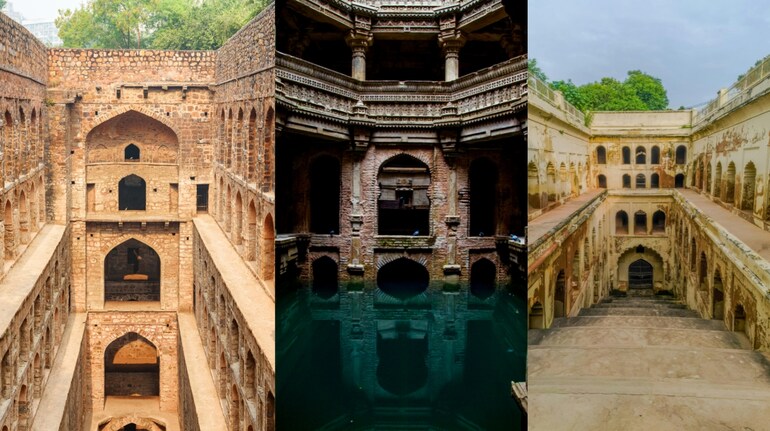

Water has always been life, and in ancient India, it inspired some of the most extraordinary feats of architecture. Stepwells—known locally as baoris, baolis, or vavs—were more than just water storage systems. Ingeniously designed to rise and fall with the seasons, these structures allowed access to water through cascading terraces, no matter how high or low the water level. Over time, many became hubs for social gatherings, religious rituals, and even leisure, featuring intricately carved pavilions, niches, and temples.
Today, stepwells are scattered across India, often tucked away from the usual tourist trails. From Rajasthan’s deserts to Gujarat’s heritage towns and Karnataka’s ruins, these ancient marvels continue to awe travellers with their artistry and engineering. Here’s a curated list of India’s most stunning stepwells that deserve a spot on your 2026 travel itinerary.
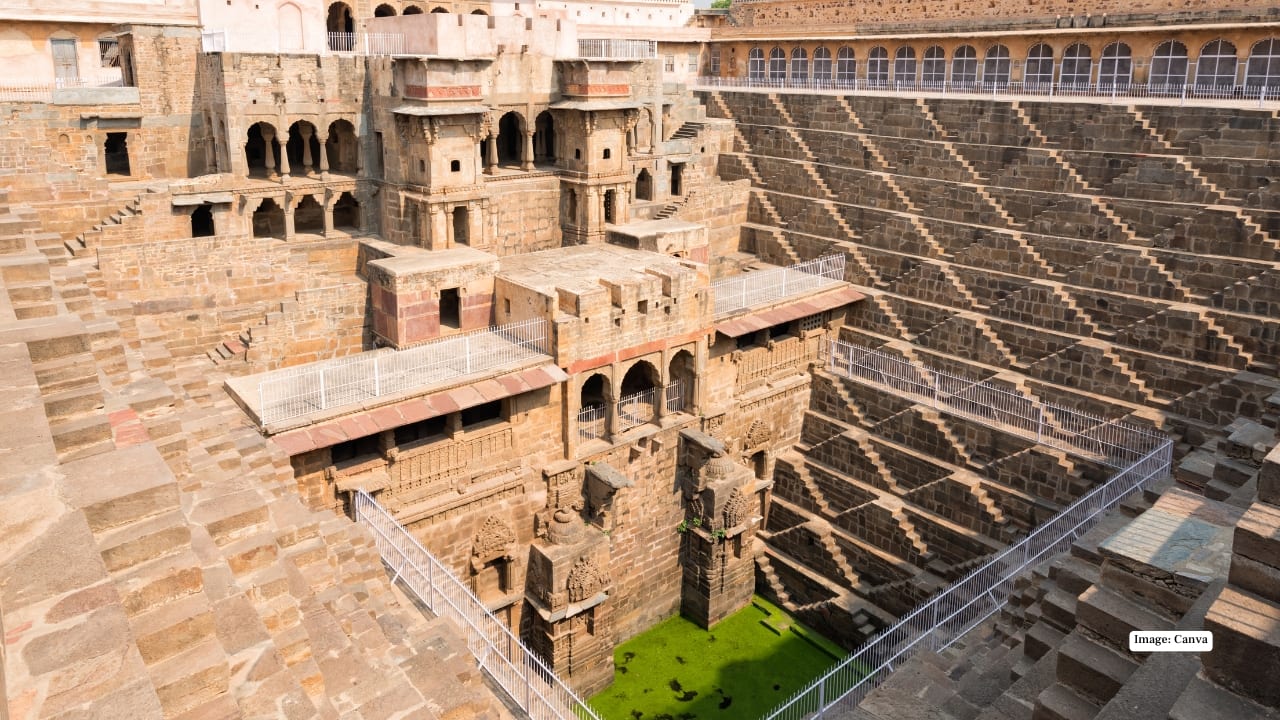 Chand Baori – Abhaneri, Rajasthan
1. Chand Baori – Abhaneri, Rajasthan
One of the largest stepwells in India, Chand Baori is a visual spectacle. Built in the 9th century, it has 3,500 steps descending across 13 levels, forming a hypnotic geometric pattern. Beyond its size, Chand Baori is a cool refuge from the desert heat, with small shrines and carved niches adding to its charm.
Travel tip: Visit early morning or late afternoon for soft light and fewer crowds.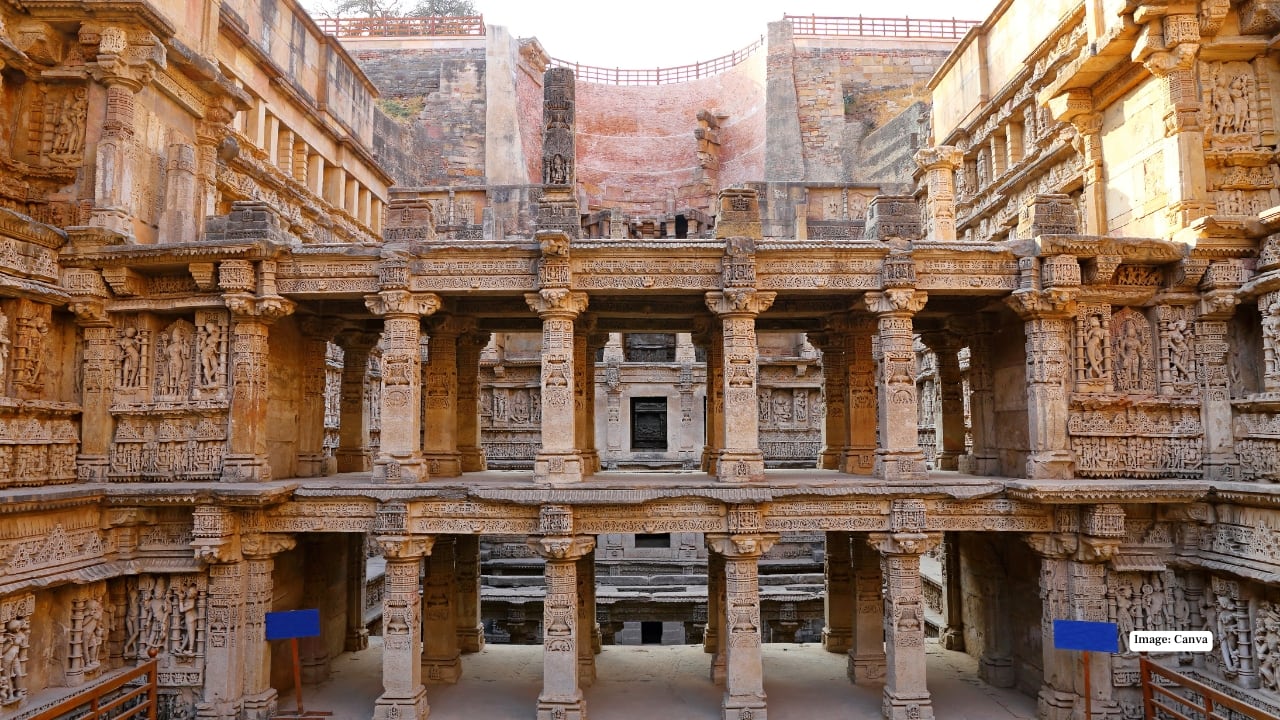 Rani-ki-Vav – Patan, Gujarat
2. Rani-ki-Vav – Patan, Gujarat
A UNESCO World Heritage Site, Rani-ki-Vav is often called the crown jewel of Gujarat’s stepwells. Built in the 11th century as a memorial for King Bhima I, it features over 500 intricately carved sculptures depicting gods, goddesses, and scenes from everyday life. Its multi-tiered design showcases Maru-Gurjara architecture at its finest.
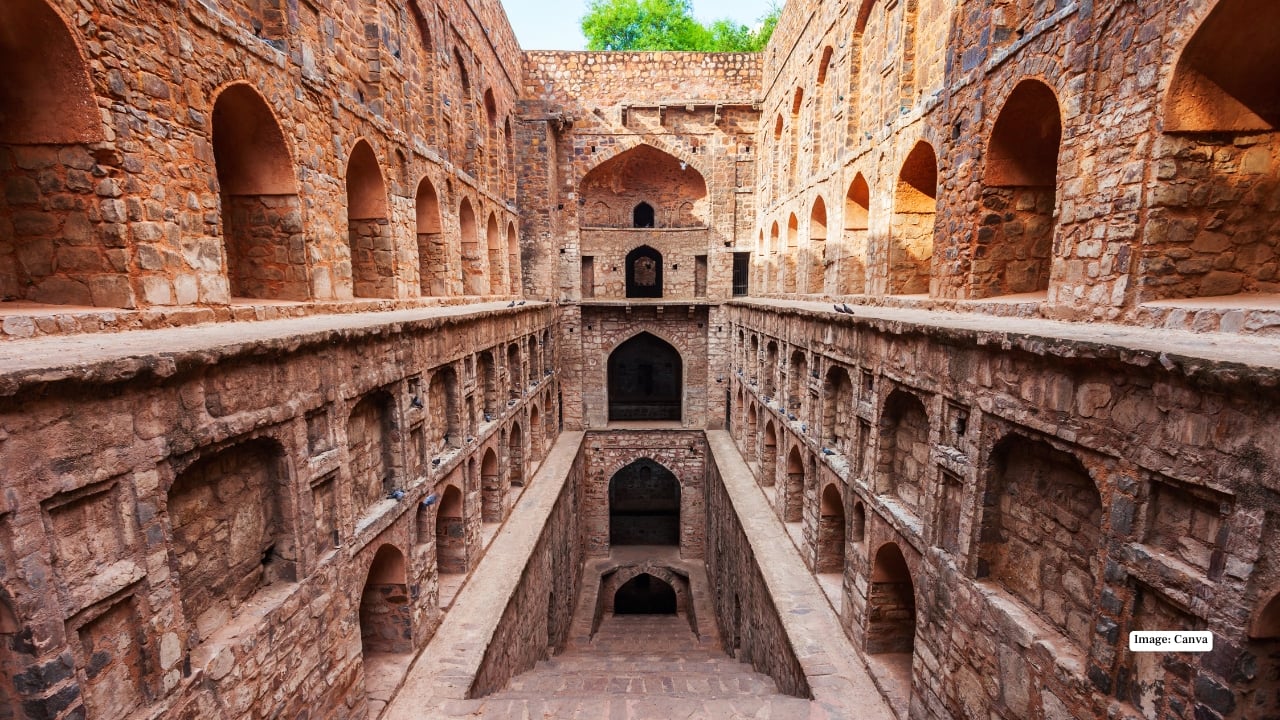 Agrasen Ki Baoli – Delhi
3. Agrasen Ki Baoli – Delhi
Hidden in the heart of Delhi near Connaught Place, Agrasen Ki Baoli is a serene escape amid the city’s hustle. This 60-metre-long stepwell with 108 steps has a mysterious past, believed to date back to the Mahabharata era. Its symmetrical stairways, stone arches, and calm pool make it a photographer’s delight.
Travel tip: Visit during early morning hours or around sunset for the best light and quiet experience.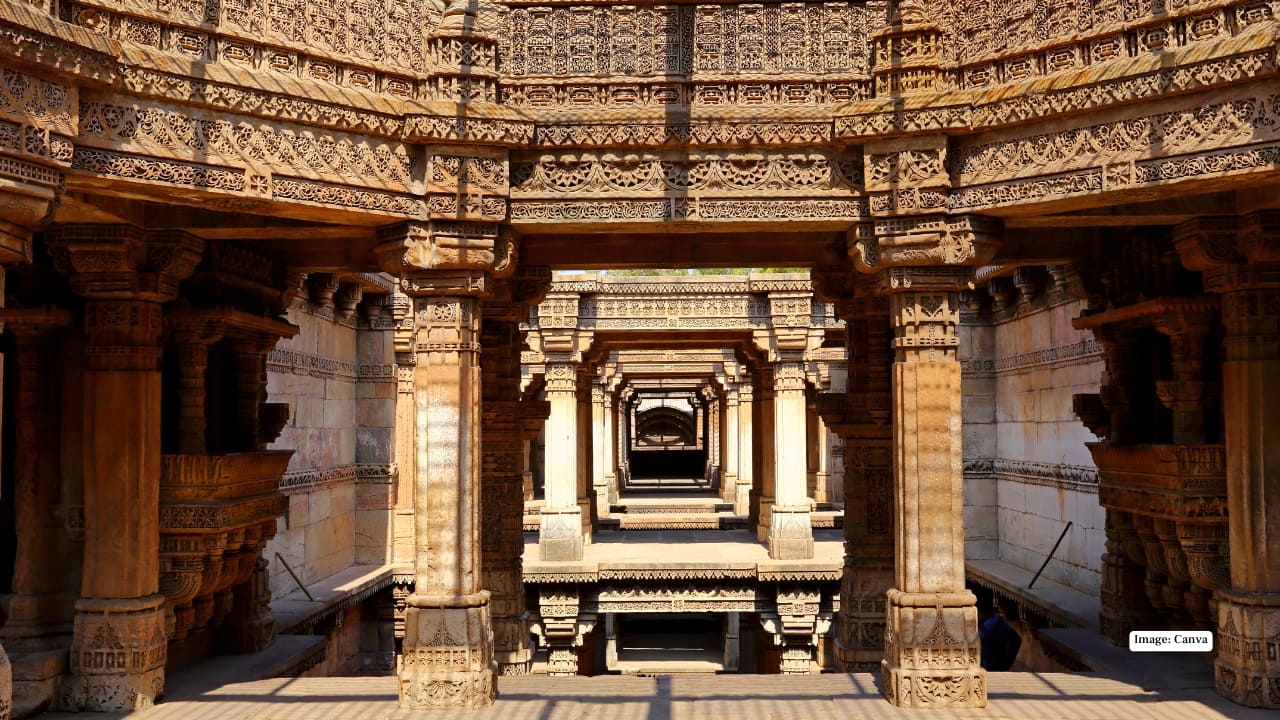 Adalaj Vav – Adalaj, Gujarat
4. Adalaj Vav – Adalaj, Gujarat
Built in 1499 by Queen Rudabai, Adalaj Vav blends functionality with exquisite architecture. Its five stories are adorned with floral motifs, carved pillars, and intricately sculpted screens, providing shade and cool relief during Gujarat’s hot summers.
Travel tip: The winter months (November to February) are perfect for exploring this architectural gem.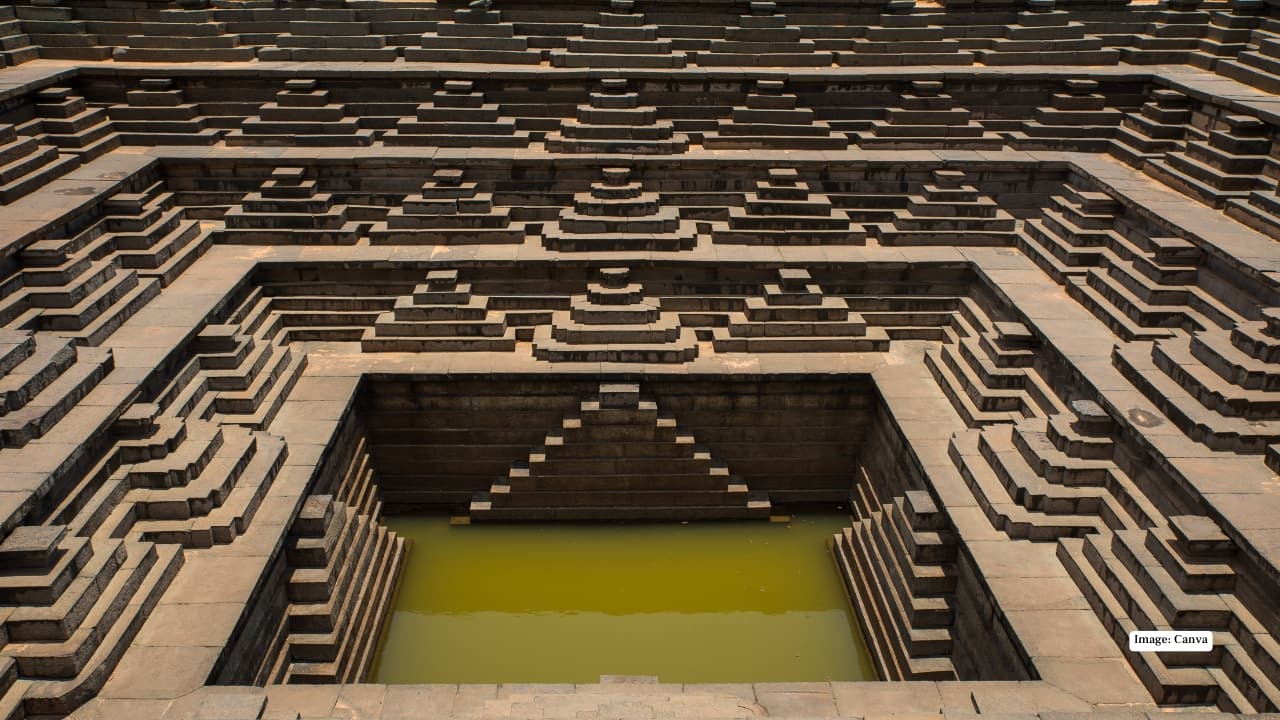 Pushkarinis – Hampi, Karnataka
5. Pushkarinis – Hampi, Karnataka
While Hampi is famed for its temples and boulder-strewn landscapes, its Pushkarinis (temple stepwells) often go unnoticed. These rectangular stepwells, surrounded by carved pavilions, were used for ritual bathing. The Pushkarini near Krishna Temple reflects the surrounding ruins beautifully, making it a peaceful spot to pause and soak in history.
Travel tip: October to February offers cooler weather for exploring Hampi’s ruins and stepwells.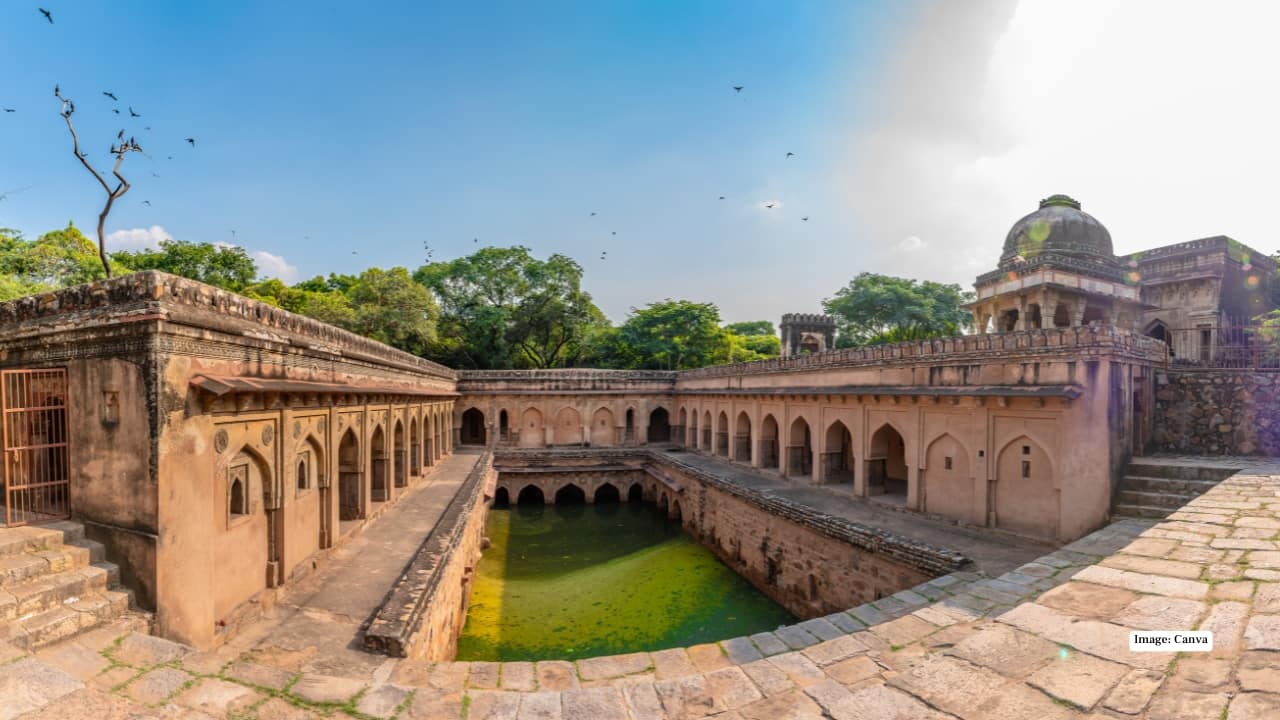 Rajon Ki Baoli – Delhi
6. Rajon Ki Baoli – Delhi
A quiet gem in Delhi’s Mehrauli district, Rajon Ki Baoli dates back to the 16th century. Its five-tiered design, stone arches, and tranquil water pool offer a glimpse into the city’s medieval past. Fewer visitors here mean you can enjoy the calm ambiance in relative solitude.
Travel tip: Visit in the winter months to avoid Delhi’s scorching summer heat.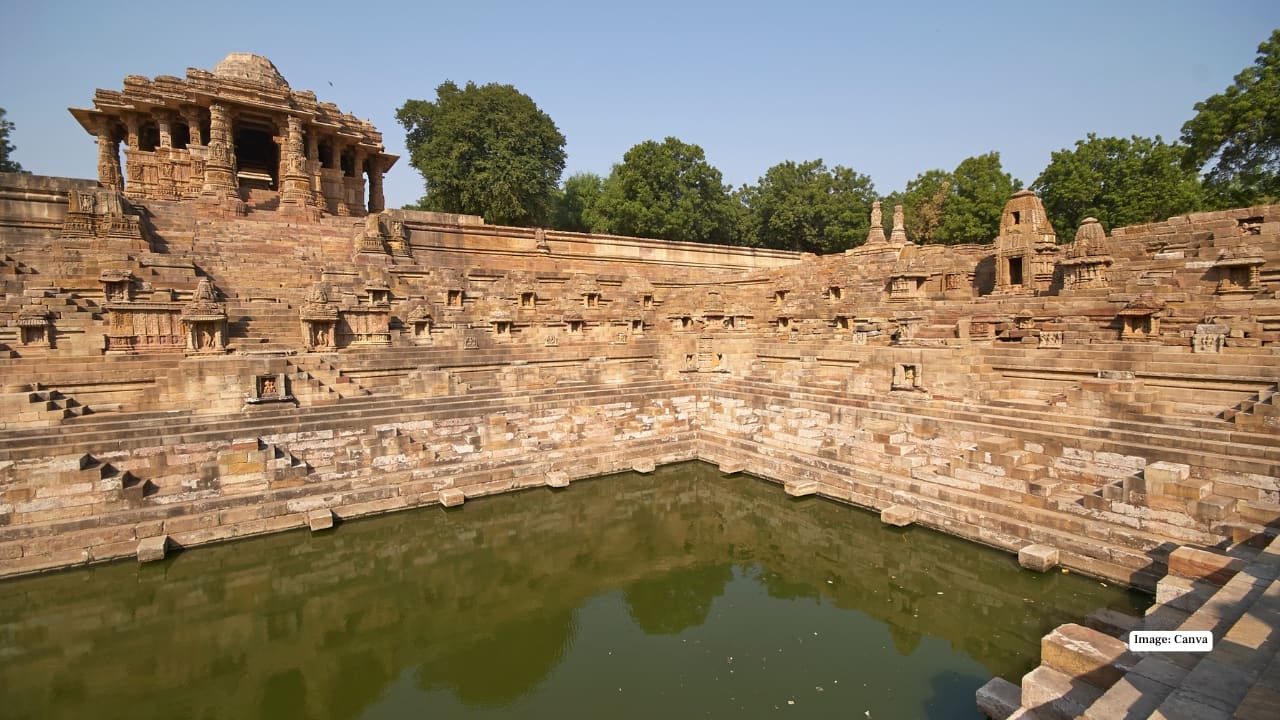 Surya Kund Stepwell – Modhera, Gujarat
7. Surya Kund Stepwell – Modhera, Gujarat
Located near the Sun Temple, Surya Kund Stepwell served pilgrims for ritual bathing. Its rectangular steps lead to a pool surrounded by carved walls, reflecting the grandeur of 11th-century temple architecture.
Travel tip: Pair your visit with the Sun Temple for a full-day historical tour.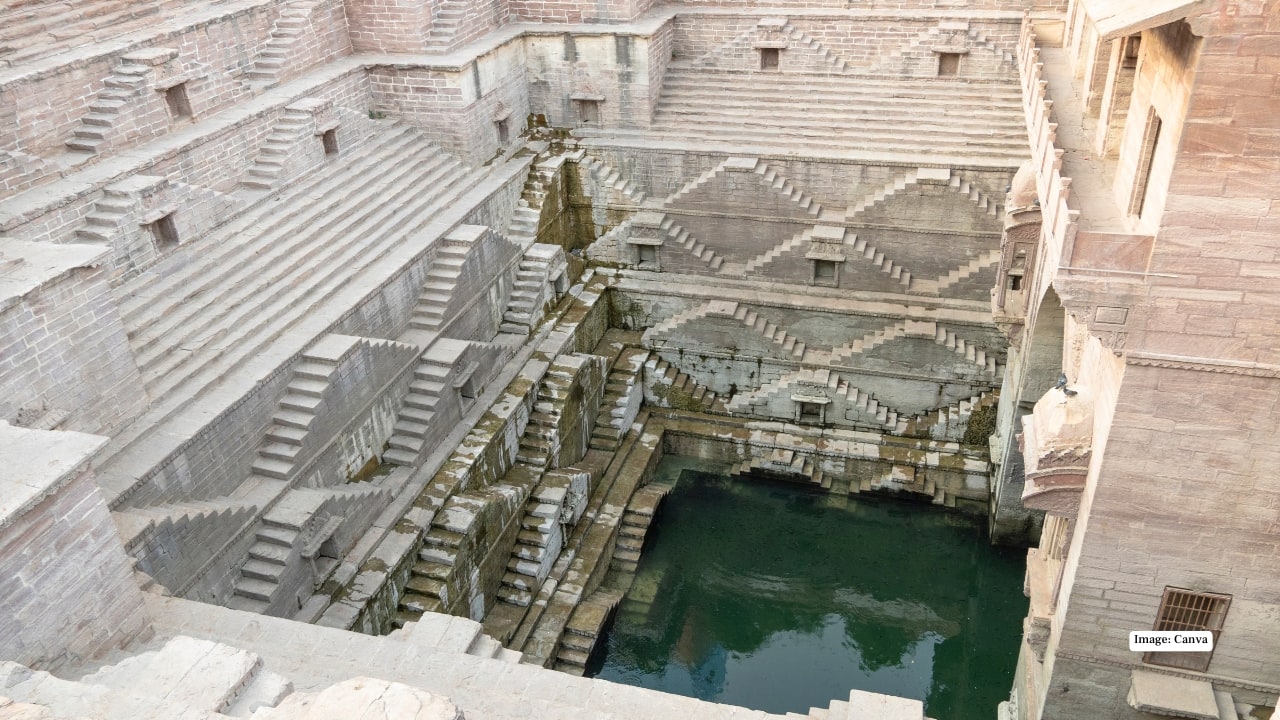 Toorji Ka Jhalra – Jodhpur, Rajasthan
8. Toorji Ka Jhalra – Jodhpur, Rajasthan
A lesser-known treasure in Jodhpur’s old city, Toorji Ka Jhalra dates back to the 18th century. Its five-story structure is decorated with niches and open-air galleries, offering a glimpse into the city’s royal past. At sunset, the blue city’s glow makes the stepwell especially enchanting.
Travel tip: Evening visits provide perfect lighting for photography.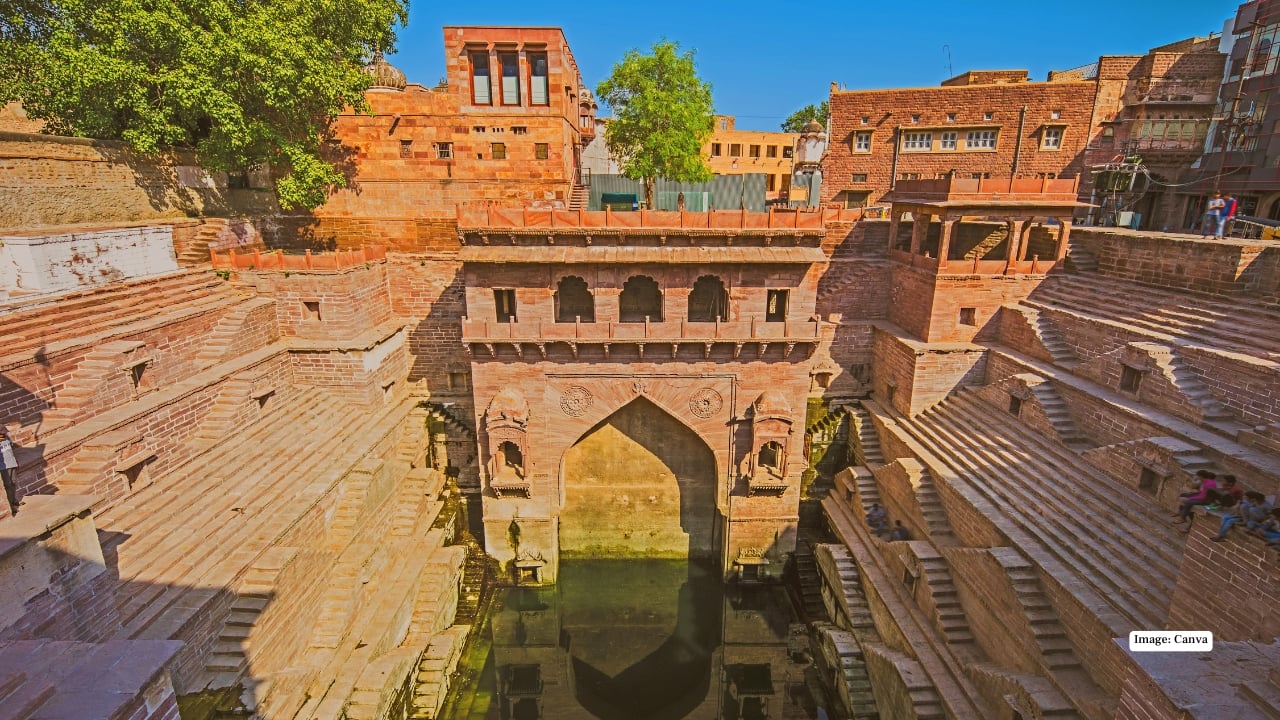 Image: Canva
Why Visit Stepwells?
Stepwells are more than just architectural curiosities—they are living pieces of India’s history, showcasing ingenuity in water management, artistry, and cultural life. Visiting these hidden gems offers a unique opportunity to step back in time, experience local rituals, and enjoy serene spaces far from crowded tourist paths.

Discover the latest Business News, Sensex, and Nifty updates. Obtain Personal Finance insights, tax queries, and expert opinions on Moneycontrol or download the Moneycontrol App to stay updated!
Find the best of Al News in one place, specially curated for you every weekend.
Stay on top of the latest tech trends and biggest startup news.





