








For a company obsessed with product segmentation, Apple has been oddly binary with its laptops. You either buy a MacBook Air or a MacBook Pro. That is it.
On paper, that seems clean. In reality, it leaves a hole.
The Air is no longer an entry-level computer in spirit, even if Apple positions it that way. It is a capable, powerful machine that comfortably runs creative software and handles serious workloads. For a vast majority of laptop users out there, the MacBook Air is more than sufficient.
The Pro, meanwhile, is explicitly for those who need sustained performance and specialised capabilities.
But where is the true everyday Mac? The one aimed squarely at students, families and casual users who just want a reliable computer without paying for performance headroom they will never touch?
For years, that role was quietly retired. The new low-cost — relatively speaking — MacBook Neo would not be about undercutting the Air. It would be about restoring balance.
The entry-level advantage Apple surrendered
The broader PC market thrives on entry-level devices. Walk into any electronics store and you will see shelves of affordable laptops marketed to students and home users. Entire ecosystems, from budget Windows machines to Chromebooks, have flourished by targeting people who do not edit 4K video or render 3D models.
Apple largely ceded that ground. Yes, discounted MacBook Air models occasionally dip in price during the number of sales that e-commerce platforms host routinely. But structurally, there is no clearly defined, personality-driven, base MacBook in the lineup anymore.
And that matters.
Apple understands the power of an accessible on-ramp better than anyone. The standard iPhone — not the Pro — drives volume. The regular Apple Watch outsells the Ultra by a wide margin. These are the devices that invite people in.
The new MacBook Neo would do the same for macOS.
Ecosystem gravity is real
Once someone owns one Apple device, the odds of them buying another increase dramatically. That is not marketing fluff. It is ecosystem gravity. Features like AirDrop, iMessage, iCloud Drive and Universal Clipboard create subtle but persistent friction against leaving. The more devices you add, the stronger that pull becomes.
A cheaper MacBook would ideally be a natural next step for millions of iPhone users who have never owned a Mac. For many, the laptop is the final missing piece.
I have seen this pattern play out repeatedly. Someone starts with an iPhone. Then an iPad. Then AirPods. Eventually, the question becomes less “Should I try a Mac?” and more “Why am I still on Windows?”
That conversion moment is where Apple wins long term.
Timing could not be better
The state of Windows 11 has only strengthened the case. Microsoft’s transition has not been universally smooth. User complaints about interface changes, system requirements and performance inconsistencies have been loud and persistent. Even Microsoft has publicly acknowledged areas needing improvement.
Apple did not create that dissatisfaction. But it can certainly benefit from it.
When users feel friction in one ecosystem, they become more open to alternatives. If, at that exact moment, Apple presents a Mac that is approachable in price and visually inviting, the barrier to switching drops significantly.
 MacBook Neo
This is not about poaching power users. It is about attracting everyday users who value simplicity, stability and security over customisation.
Price is the pivot point
Everything hinges on pricing. To be fair, Rs 69,900 isn’t cheap by any stretch of imagination. But it is strategically meaningful. With retail promotions, that figure could fall closer to close to Rs 60,000 or even lower.
At that level, the psychology shifts.
Suddenly, a MacBook is not a premium indulgence. It becomes a realistic alternative to mid-range Windows laptops. For parents buying a device for school. For students spending their own savings. For professionals who need a secondary machine.
Apple does not need to dominate the sub-Rs 50,000 segment. It only needs to become competitive in the sub-Rs 60,000 bracket.
From there, ecosystem advantages do the rest.
There is another layer here that is easy to dismiss but powerful in practice: design. Apple has historically excelled when it pairs accessibility with personality. Think colourful iMacs. Think vibrant iPhones. Devices that feel less like tools and more like personal objects.
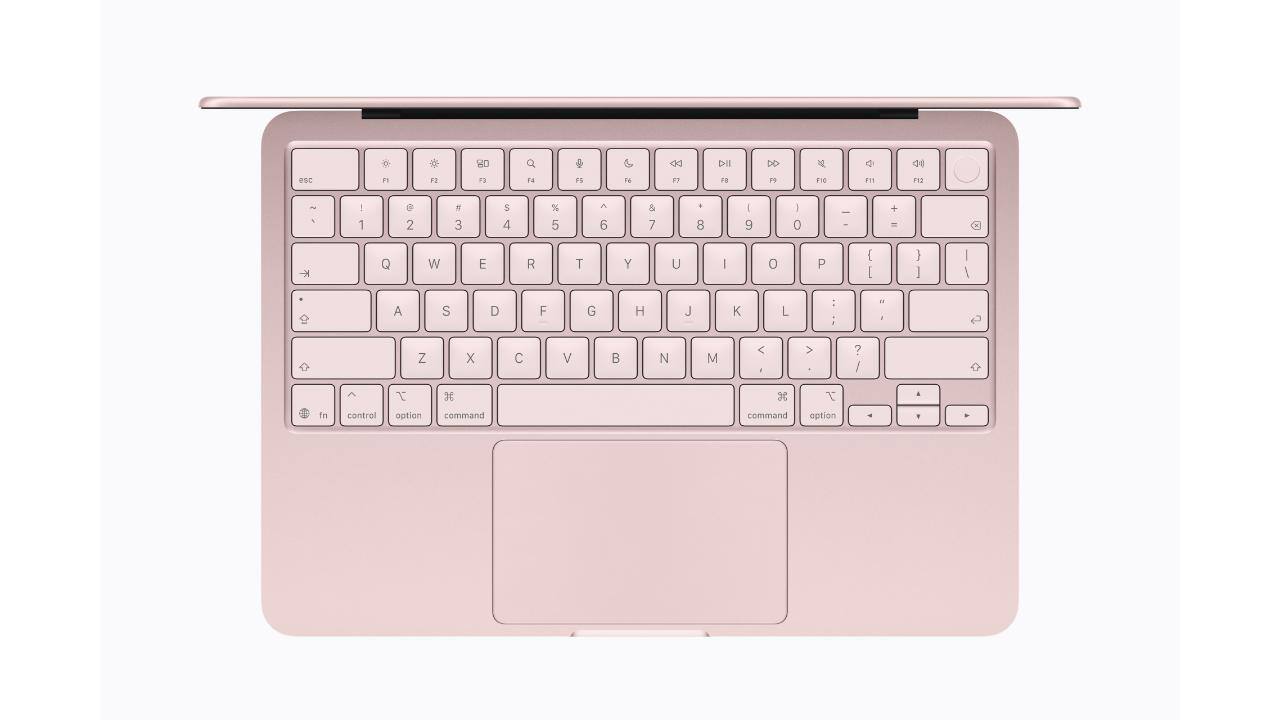 MacBook Neo
The new MacBook Neo with bold colour options does not look frivolous. It could be strategic. It signals that this device is not for professionals alone. It is for everyone.
People may pretend they buy laptops purely on specifications. They do not. They buy what feels approachable and aspirational at the same time.
On paper, it does seem like Apple has blended a friendly aesthetic with solid baseline performance. Suddenly, it is a far more compelling proposition.
A gap worth filling
The absence of a true entry-level Mac has been conspicuous. It leaves Apple dependent on higher average selling prices and narrows the funnel into macOS. The MacBook Neo would widen that funnel dramatically. It would give iPhone users a natural upgrade path. It would tempt Windows users frustrated with recent changes.
Most importantly, it would acknowledge a simple truth: not everyone needs Pro performance. But many people want a Mac. If Apple executes this correctly, the impact will not be immediate or explosive. It will be gradual and compounding.
And those are the kinds of moves Apple tends to get very, very right.


Discover the latest Business News, Sensex, and Nifty updates. Obtain Personal Finance insights, tax queries, and expert opinions on Moneycontrol or download the Moneycontrol App to stay updated!
Find the best of Al News in one place, specially curated for you every weekend.
Stay on top of the latest tech trends and biggest startup news.







