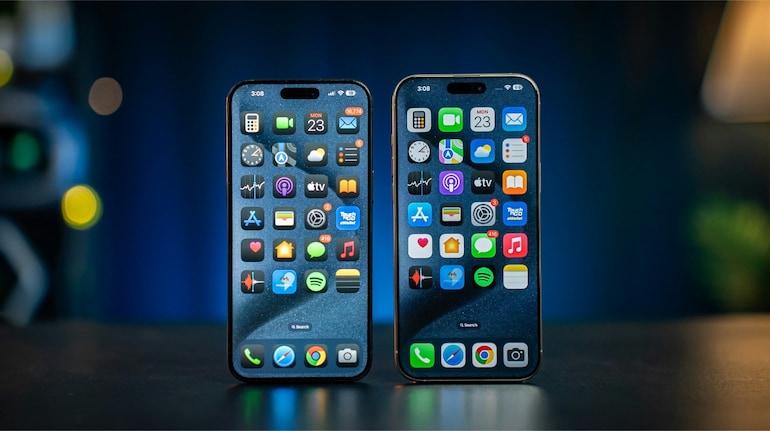
When Apple introduced App Tracking Transparency in iOS 14.5 in 2021, it fundamentally changed how third-party apps could collect and share user data. For the first time, iPhone users were given a direct, system-level choice over whether apps could track their activity beyond the app itself. No similar mechanism existed on mobile platforms before that point, and the impact was immediate.
Despite this, the wording of the prompt still causes confusion. Many users pause when they see the option “Ask App Not to Track” and wonder why Apple does not simply say “Deny.” Others question whether the feature still works in 2025 or if it has quietly lost its effectiveness. Understanding what happens behind the scenes clears up most of that uncertainty.
Under App Tracking Transparency, Apple requires developers to request explicit permission before tracking users across other companies’ apps and websites. This prompt appears shortly after installing or opening a new app and presents two choices. Allow, or Ask App Not to Track.
Choosing Allow gives the app permission to access and share a wide range of personal and behavioural data. This can include demographic information, approximate location, app usage patterns, in-app purchases, ad interactions, and browsing behaviour. For advertisers and data brokers, this information is extremely valuable because it allows them to build detailed profiles that follow users across multiple apps and services.
Selecting Ask App Not to Track blocks access to the Identifier for Advertisers, commonly known as the IDFA. The IDFA is a unique, system-assigned identifier that enables companies to link behaviour across different apps. Without it, advertisers cannot easily connect activity from a shopping app to social media usage or browsing behaviour elsewhere. Apple enforces this restriction at the operating system level, meaning developers cannot access the IDFA through official APIs once tracking is declined.
The reason Apple uses the word Ask rather than a hard Deny is largely technical and legal honesty. While Apple can prevent access to the IDFA, it cannot fully control every other method a developer might use to infer identity. If a user voluntarily provides an email address, phone number, or other identifiable information within an app, tracking through those channels remains possible. Apple does not claim to block all tracking, only the most invasive and scalable form of it.
So does App Tracking Transparency still work in 2025. The answer is yes, but with limitations.
Cross-app tracking has dropped sharply since ATT launched. Before its introduction, the majority of iPhone users were trackable by advertisers. Today, that number has fallen dramatically. Major advertising platforms such as Meta publicly acknowledged the financial impact, reporting billions of dollars in lost advertising revenue in the years following ATT’s rollout.
However, advertisers did not abandon the platform. Instead, they adapted. Techniques such as device fingerprinting have become more common. This method gathers indirect signals like screen resolution, operating system version, language settings, and time zone to approximate a unique device profile. Apps have also leaned more heavily into contextual advertising, focusing on what users do within a single app rather than tracking them across many.
These alternatives are less precise, more expensive, and less scalable than IDFA-based tracking, which is precisely why advertisers preferred the old system. They still generate revenue, but with more friction and less certainty.
App Tracking Transparency has not eliminated tracking. What it has done is reduce its reach, increase its cost, and give users meaningful control over how easily their data can be linked across services. In that sense, the feature is doing exactly what Apple intended.


Discover the latest Business News, Sensex, and Nifty updates. Obtain Personal Finance insights, tax queries, and expert opinions on Moneycontrol or download the Moneycontrol App to stay updated!
Find the best of Al News in one place, specially curated for you every weekend.
Stay on top of the latest tech trends and biggest startup news.