






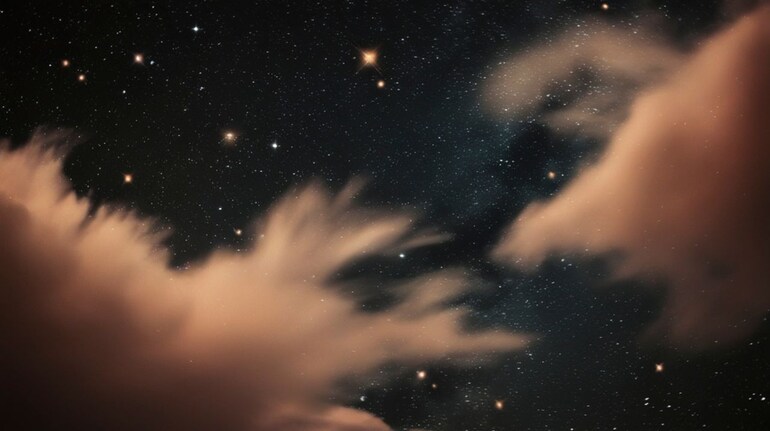

On 28 February, six planets will align in the evening sky, offering skywatchers across India a rare planetary parade visible shortly after sunset.
Astronomers say the alignment will feature Mercury, Venus, Jupiter, Saturn, Uranus and Neptune appearing in a gentle arc above the western horizon. The display begins around 30 to 45 minutes after sunset, roughly between 6:15 pm and 8:00 pm IST, though exact timing will vary slightly by city. Clear skies and an unobstructed western view will improve visibility.
Where the Planetary Parade Will Be Visible in India
The alignment will be visible from most parts of India, provided the sky remains clear and buildings do not block the horizon. Major cities including Delhi, Mumbai, Kolkata, Bengaluru and Chennai should offer accessible viewing from rooftops or open spaces. Even under urban lights, brighter planets will remain visible.
Darker skies will enhance the experience further. Fainter planets such as Uranus and Neptune require minimal light pollution for detection. Regions such as Ladakh, rural Rajasthan, parts of Madhya Pradesh and coastal Tamil Nadu may provide clearer conditions. Elevated spots like Jawadhu Hills near Chennai could also offer favourable views.
How many planets can you spot in the "planetary parade" now visible in the evening sky?https://t.co/EoTnf8jXtfpic.twitter.com/RQPXus6Eh1— NASA Solar System (@NASASolarSystem) February 26, 2026
How to Watch the Six Planets After Sunset
Observers should first look westward after sunset. Venus will appear brightest and lowest. Mercury will sit nearby but appear fainter. Saturn will appear slightly higher above them. Jupiter will shine prominently further up the sky. It may appear near constellations like Orion or Gemini.
Scanning diagonally upward may reveal the full sequence. Four planets including Venus, Jupiter, Saturn and Mercury should be visible without equipment. Uranus and Neptune will require binoculars or a small telescope due to faint brightness. Observers should avoid looking toward the Sun before it fully sets, as this can harm eyesight. Checking local weather forecasts remains advisable.
Nasa’s Chandra Sonifications Add Sound
To mark the occasion, NASA highlighted the event through its Chandra X-ray Observatory. The observatory released three new sonifications of Jupiter, Saturn and Uranus. These translate astronomical data into sound. The project offers an alternative way to experience the alignment.
With the parade approaching, families and enthusiasts are preparing to witness the rare alignment. The event offers both spectacle and perspective. It reminds observers of our shared place within the solar system.
Discover the latest Business News, Sensex, and Nifty updates. Obtain Personal Finance insights, tax queries, and expert opinions on Moneycontrol or download the Moneycontrol App to stay updated!
Find the best of Al News in one place, specially curated for you every weekend.
Stay on top of the latest tech trends and biggest startup news.





