






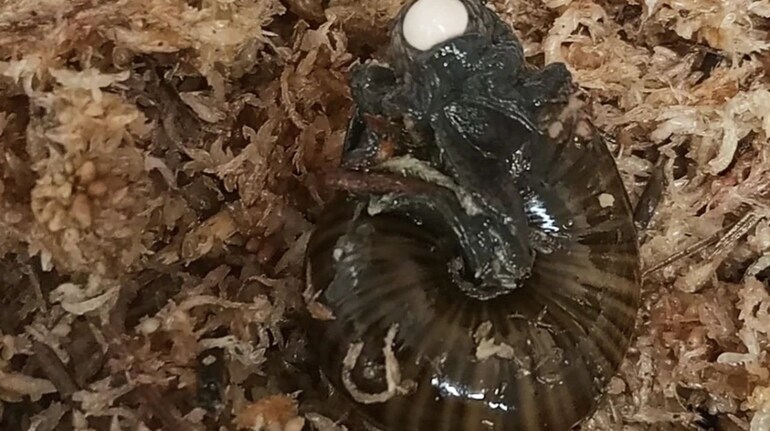
After years of patient care and quiet observation, conservation rangers in New Zealand have finally witnessed something extraordinary: a rare snail laying an egg from its neck. The moment, captured on camera for the first time, has excited scientists working to save the Powelliphanta augusta species from extinction.
Snail's egg-laying caught on camera
The footage, shared Wednesday by New Zealand’s conservation department, shows the large carnivorous snail releasing what looks like a small hen’s egg from an opening beneath its head. This unusual reproductive act has remained unseen until now, despite years of monitoring.
The Powelliphanta augusta snail, found only in New Zealand, is a threatened species. Conservationists have been caring for a population of them in chilled containers on the South Island’s West Coast for nearly two decades. These special enclosures replicate the cool mountain climate of their original home, now lost to mining.
A species full of surprises
Lisa Flanagan from the Department of Conservation has worked with these snails for 12 years. She said this was the first time anyone had seen one lay an egg. Like other snails, Powelliphanta augusta are hermaphrodites. They mate using a genital pore below the head and later produce eggs. Each snail takes eight years to mature and lays about five eggs yearly. These eggs may take over a year to hatch.
Some snails in care are now up to 30 years old. Flanagan noted they are very different from common garden snails, which breed quickly and live short lives. The Powelliphanta snails grow slowly, breed rarely and need stable habitats to thrive.
A long road to survival
These colourful, large-shelled snails caused public concern in the early 2000s. Coal mining threatened their mountain habitat, leading to legal action and relocation. Around 4,000 snails were moved, with 2,000 placed in controlled storage in Hokitika.
In 2011, nearly 800 snails died after a cooling failure in a department fridge. Despite setbacks, the conservation team continues their work. As of March, nearly 1,900 snails and 2,200 eggs are in captivity.
The snail’s future may still be uncertain, but this rare glimpse of reproduction has offered new hope — and a little wonder — for a species still fighting to survive.
Discover the latest Business News, Sensex, and Nifty updates. Obtain Personal Finance insights, tax queries, and expert opinions on Moneycontrol or download the Moneycontrol App to stay updated!
Find the best of Al News in one place, specially curated for you every weekend.
Stay on top of the latest tech trends and biggest startup news.









