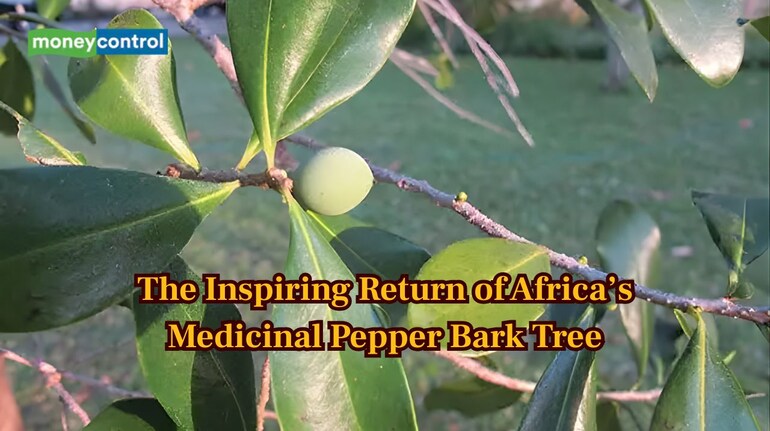

The medicinal plant of South Africa made a comebcak recently. The pepper bark tree that was once endangered, is now slowly returning in the nature. Scientists confirm its status has improved. Conservation efforts are finally paying off. After decades of decline, numbers are rising. Forests are beginning to heal again. This recovery offers rare environmental optimism.
Pepper Bark Tree: A Medicine Cabinet of the Forest
The tree is called Warburgia salutaris. It is famous for its healing properties. Its bark treats coughs and infections and its leaves reduce pain and inflammation. For many communities, it is essential medicine. It supports both health and cultural traditions. Losing it would have meant losing heritage.
Its high Demand Nearly Destroyed a Species
Rising demand led to overharvesting. Wild trees were stripped repeatedly. Entire populations disappeared from forests. By the early 2000s, extinction seemed possible. The species was listed as endangered by South Africa’s Red List. The scientists warned of irreversible loss.
When Communities Became Guardians
A new conservation approach changed the situation completely. Authorities began working closely with local communities. Traditional healers were invited into conservation programmes. They became partners rather than outsiders. Tree nurseries were established in several regions. Young saplings were grown and distributed to villagers. People learned how to cultivate trees at home.
Science Tracks a Silent Comeback
The latest update comes from South Africa’s biodiversity experts. It was released by the South African National Biodiversity Institute. The findings form part of the 2025 National Biodiversity Assessment. They were shared ahead of Reverse the Red Day on 7 February.
The report highlights both progress and serious concern. South Africa is among the world’s richest plant regions. Nearly two-thirds of its plant species grow nowhere else. They exist only within the country’s borders.
Can the Pepper Bark Tree Regrow Naturally?
The pepper bark tree has natural healing abilities. It can regenerate under the right environmental conditions. Seeds fall near parent trees during seasonal fruiting. New saplings emerge when soil remains moist.
Healthy forests support stronger regeneration. However, natural recovery is slow. It can take many years to reach maturity. Young trees remain vulnerable to grazing animals.
How Wildlife Depends on the Pepper Bark Tree?
The pepper bark tree supports many forest species. Its dense canopy provides shade and shelter. Birds use its branches for nesting. Fruit-eating birds spread its seeds. This helps forests expand naturally. Monkeys and antelopes consume fallen fruits.
Their movement aids regeneration. Protecting this tree protects entire ecosystems. One species supports many others. Its survival strengthens forest balance. Its loss weakens biodiversity.
Discover the latest Business News, Sensex, and Nifty updates. Obtain Personal Finance insights, tax queries, and expert opinions on Moneycontrol or download the Moneycontrol App to stay updated!
Find the best of Al News in one place, specially curated for you every weekend.
Stay on top of the latest tech trends and biggest startup news.