
A vast bright blue plume appeared in the Caribbean Sea. It followed the path of Hurricane Melissa. NASA satellites captured the unusual ocean colour change. The storm passed near Jamaica in late October. The blue water stretched for hundreds of kilometres. Scientists quickly began investigating the strange sight.
NASA satellites reveal what the eye could not see
The Terra satellite recorded detailed images of the plume. Its MODIS instrument observed colour changes in ocean waters. Before the storm, the sea looked dark and calm. After Melissa, the water turned a glowing blue shade. The colour difference was impossible to ignore. It suggested something unusual was happening below the surface.
Hurricane winds stirred hidden seabed sediments
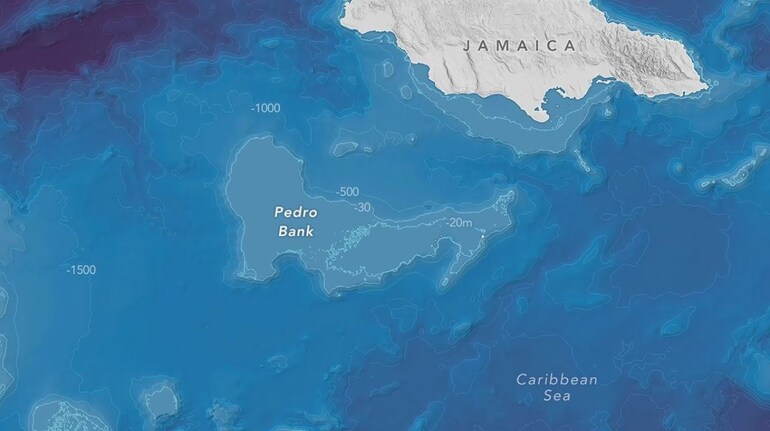
Melissa’s strong winds churned the shallow ocean floor. Sediments were lifted from Pedro Bank near Jamaica. Pedro Bank sits about 25 metres underwater. It contains carbonate-rich material from marine organisms. The storm pushed these particles into the water column. Suspended sediment reflected light, creating the bright blue colour.
The plume revealed hidden ocean currents
The floating sediment acted like a natural tracer. It showed how surface currents were moving. Swirls and eddies became clearly visible from space. Scientists observed the influence of the Caribbean Current. Wind-driven Ekman transport also shaped the plume’s movement. The storm revealed ocean patterns usually hard to observe.
Why this discovery matters for climate science?
Storms move carbon-rich sediments across the ocean floor. This process affects the global carbon cycle. Some carbon may become locked in deeper waters. Such events help regulate Earth’s climate over time. Studying hurricanes improves understanding of ocean carbon storage. New satellites will track similar events in the future.
What this means for marine life?
The blue plume faded within a week. Most sediment quickly settled back to the seabed. However, the benthic ecosystem may have suffered damage. Recovery may take much longer than the plume’s disappearance. Scientists are still studying the long-term environmental impact.
Discover the latest Business News, Sensex, and Nifty updates. Obtain Personal Finance insights, tax queries, and expert opinions on Moneycontrol or download the Moneycontrol App to stay updated!





Find the best of Al News in one place, specially curated for you every weekend.
Stay on top of the latest tech trends and biggest startup news.