






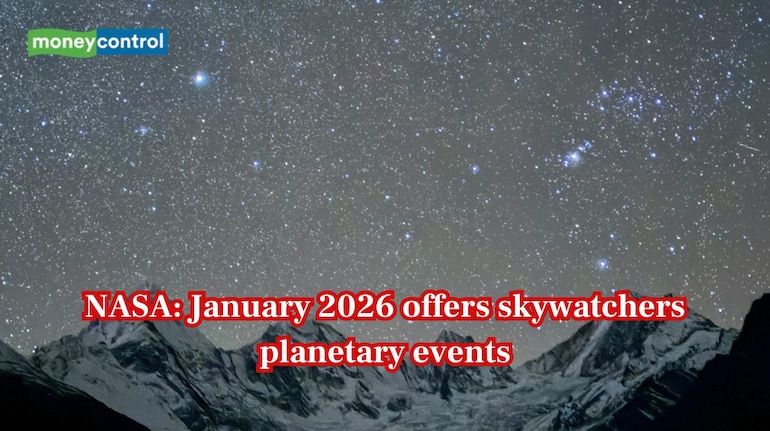

January 2026 offers skywatchers dramatic planetary events, says NASA officially. There are three-night sky events taking place in January starting with Jupiter dominates the night sky, reaching peak brightness. Skywatchers will get to see Saturn–Moon Conjunction and Beehive Cluster throughout January.
As 2026 begins, NASA’s guide underscores how predictable celestial rhythms continue to deliver moments of wonder.
Night Sky Events of January 2026
1. Jupiter at its brightest (Opposition) on January 10
On January 10, Jupiter will be at “opposition”, meaning Earth is directly between Jupiter and the Sun. This makes Jupiter appear bigger and brighter than at any other time this year, visible all night in the eastern sky.
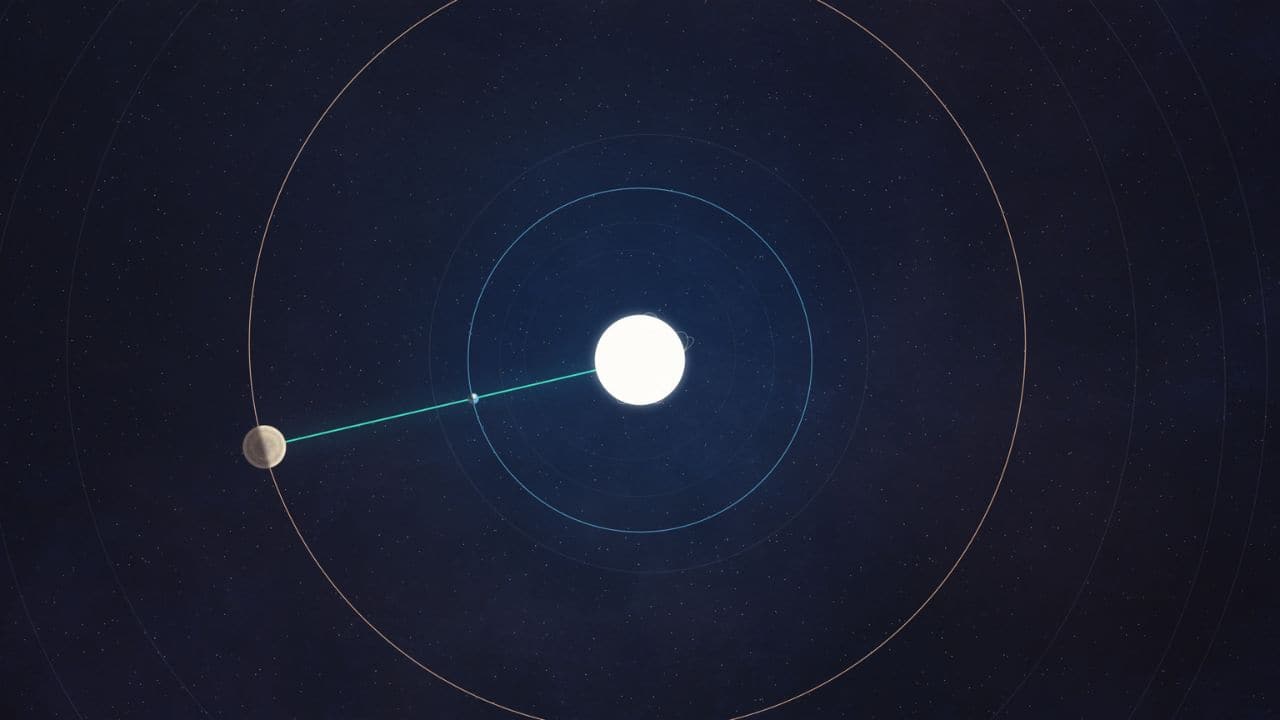 Earth will directly between Jupiter and the Sun on January 10th. (Image: NASA/JPL)
2. Saturn–Moon Conjunction on January 23
On January 23, Saturn and the Moon will appear very close together in the sky (a conjunction). Look toward the western sky in the evening to see Saturn just below the Moon.
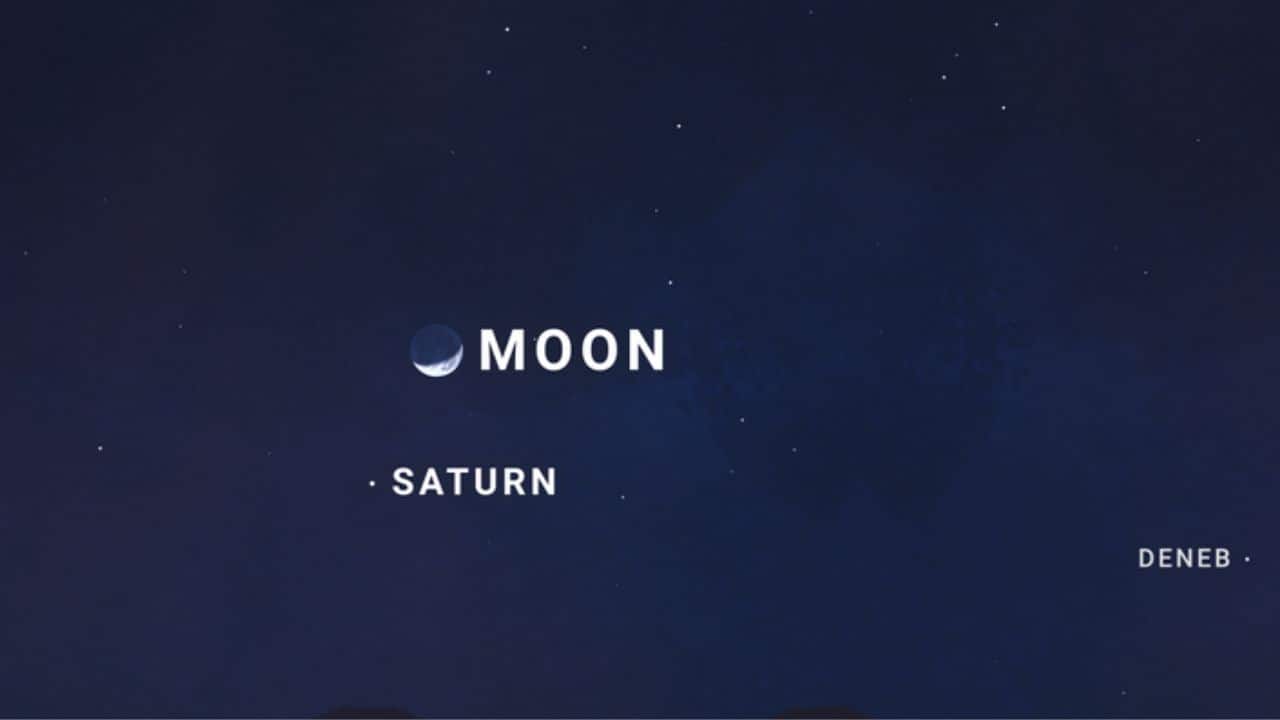 Saturn–Moon Conjunction on January 23. (Image: NASA/JPL)
3. Beehive Cluster (Messier 44) whole January month
Throughout January, the Beehive Cluster, a bright open star cluster, will be visible in the eastern sky after sunset and before midnight. Under dark skies, you might see it without binoculars, but binoculars or a small telescope will help.
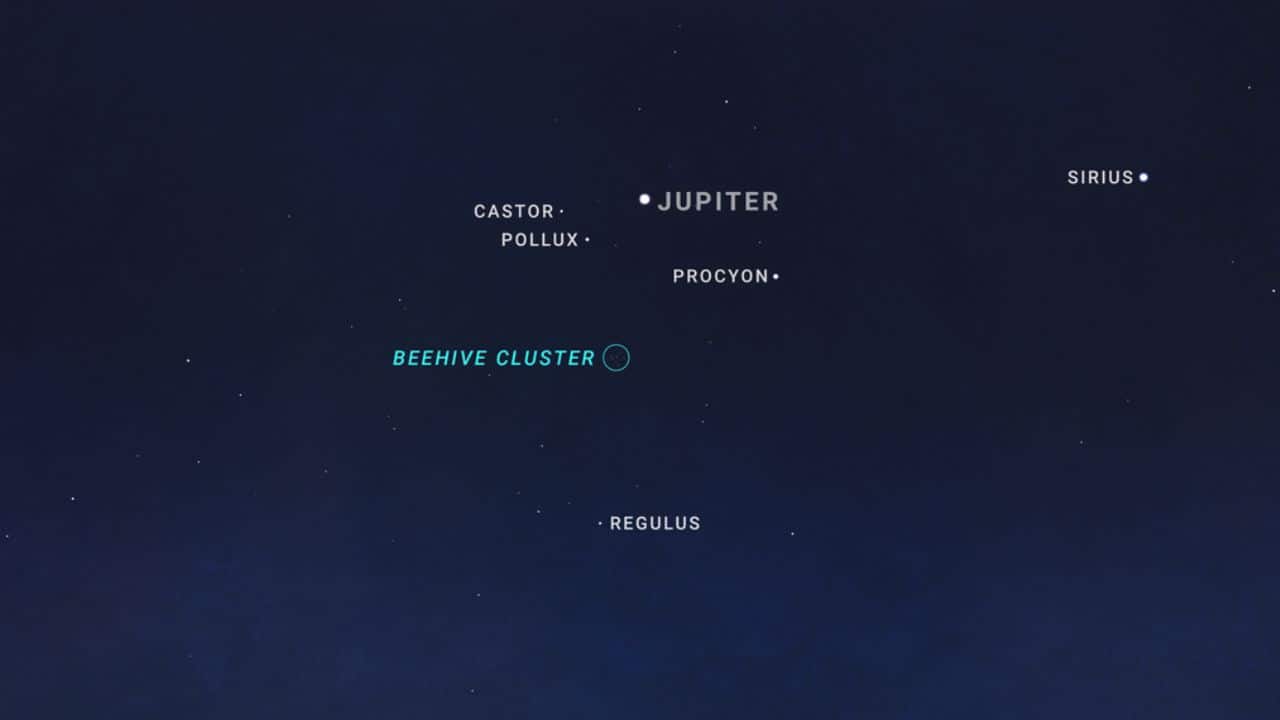 January also showcases the Beehive Cluster lies with Cancer constellation. (Image: NASA/JPL)
What NASA Says Makes January Special?
January offers brighter planets, longer nights, and clearer winter skies. NASA highlights predictable alignments that simplify skywatching for beginners. Jupiter’s opposition provides unmatched brightness and detailed planetary views.
Winter air reduces atmospheric distortion, sharpening stars and planets visibly. Longer darkness allows relaxed observation without racing against sunrise. NASA says January combines accessibility, beauty and scientific value together.
Why Winter Skies Favour Astronomy?
These pairings help observers locate planets without complicated equipment easily. NASA highlights winter skies often provide steadier, clearer viewing conditions. Longer nights allow extended observation without rushing celestial moments peacefully.
Colder air reduces atmospheric distortion, sharpening planetary and stellar views. Choosing darker locations significantly improves planetary and stellar visibility instantly.
Discover the latest Business News, Sensex, and Nifty updates. Obtain Personal Finance insights, tax queries, and expert opinions on Moneycontrol or download the Moneycontrol App to stay updated!
Find the best of Al News in one place, specially curated for you every weekend.
Stay on top of the latest tech trends and biggest startup news.





