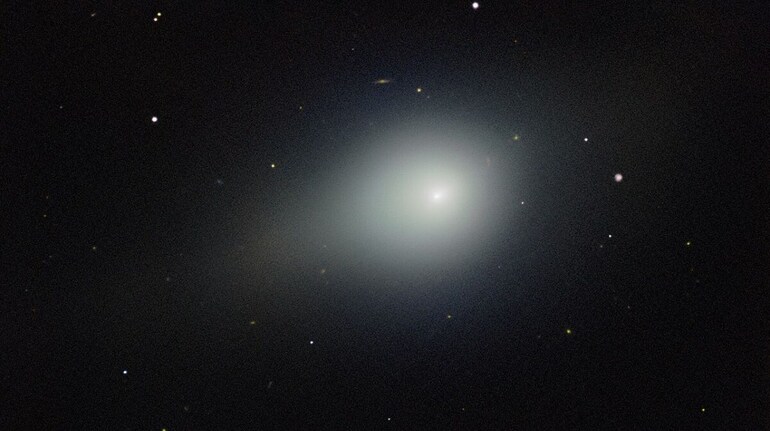

Remember a rare visitor from space? The interstellar comet that had scientists worried. Well, it seems like solar system have discovered something unexpected. The interstellar comet 3I/ATLAS is loaded with large amounts of alcohol.
Using powerful telescopes in Chile, astronomers found high levels of methanol in the gas surrounding the comet. This is a unique opportunity for astronomers to examine the chemistry of another star system’s original material.
The Rare Visitor: 3I/ATLAS Comet
The 3I/ATLAS comet is just the third interstellar object identified entering our solar system. This object was first spotted in July 2025 by the Asteroid Terrestrial-impact Last Alert System.
The interstellar objects originate from other star systems and travel through space for millions or billions of years. These objects enter our solar system by chance. Scientists consider them a window to the past, providing information about other solar systems.
Telescope Detect Alcohol in the Comet
To analyze the comet’s composition, astronomers used the Atacama Large Millimeter/submillimeter Array (ALMA) in Chile. The ratio of methanol to hydrogen cyanide ranged between 70 and 120 were detected. This makes comet one of the most methanol-rich comets ever observed.
BREAKING🚨: Scientists just confirmed the interstellar object, 3I/ATLAS, is blasting massive amounts of ALCOHOL as it streaks through our solar system pic.twitter.com/p7PJDYKSpk— All day Astronomy (@forallcurious) March 11, 2026
How did scientists observe the Methanol particles?
As the comet approached the Sun, its icy surface began to heat up, releasing gases and dust into a glowing cloud called the coma. By studying these gases, scientists identified several molecules, including methanol and hydrogen cyanide.
Measurements showed that the ratio of methanol to hydrogen cyanide ranged between 70 and 120. What surprised researchers was the extremely high abundance of methanol.
Where did Methanol come from in Space?
What shocking is Methanol is not found in space and this comet shown some methanol particles. This is alarming as well as new data scientists gathered from ALMA observatory. The comet suggests that it is formed under very different conditions from most comets in our solar system.
Hydrogen cyanide appears to come mainly from the comet’s solid nucleus, while methanol is released both from the nucleus and from icy dust grains floating in the coma. These chemical patterns act like a fingerprint, revealing details about the new solar system which has been existing from billions of years
A Glimpse into Planet Formation Elsewhere
Before the comet moved closer to the Sun, its atmosphere was dominated by carbon dioxide, but solar heating caused methanol and other molecules to escape, allowing telescopes to detect them.
The chemistry of the comet might assist astronomers in understanding the formation of planets and solar systems around other stars. With the ongoing observation of 3I/ATLAS by the telescope, the unusual composition of the comet might reveal more about the distant star system.
Discover the latest Business News, Sensex, and Nifty updates. Obtain Personal Finance insights, tax queries, and expert opinions on Moneycontrol or download the Moneycontrol App to stay updated!
Find the best of Al News in one place, specially curated for you every weekend.
Stay on top of the latest tech trends and biggest startup news.