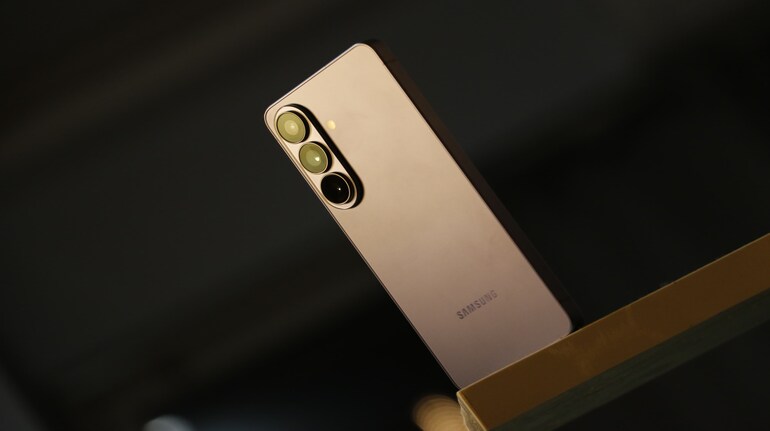

When I first took the Galaxy S26 in my hands – it time travelled me to 2021 – the year when Samsung introduced the Galaxy S21 – a big departure from the company’s old design language and overall philosophy. The Galaxy S21 brought that freshness into the design, features and most importantly the overall path for the future Galaxy S series phones. Fast forward to the Galaxy S26 – I can say that It has been a while when the smallest Galaxy has felt a complete package and this one here certainly has that vibe to it.
And, the best part is that – by not trying to prove some point or trying hard to be considered as a pure flagship smartphone. In fact, the narrative here is on the other side of the spectrum and Galaxy S26 is more predictable but more refined – in terms of software, design, endurance, performance and almost all other aspects.
That brings us to the Galaxy S26. Positioned as the most accessible flagship in the lineup – at least for now – or till the time the Galaxy S26FE comes into existence, it carries the responsibility of delivering a complete experience without the excess of Ultra models. Samsung has made changes this year, but they are measured.
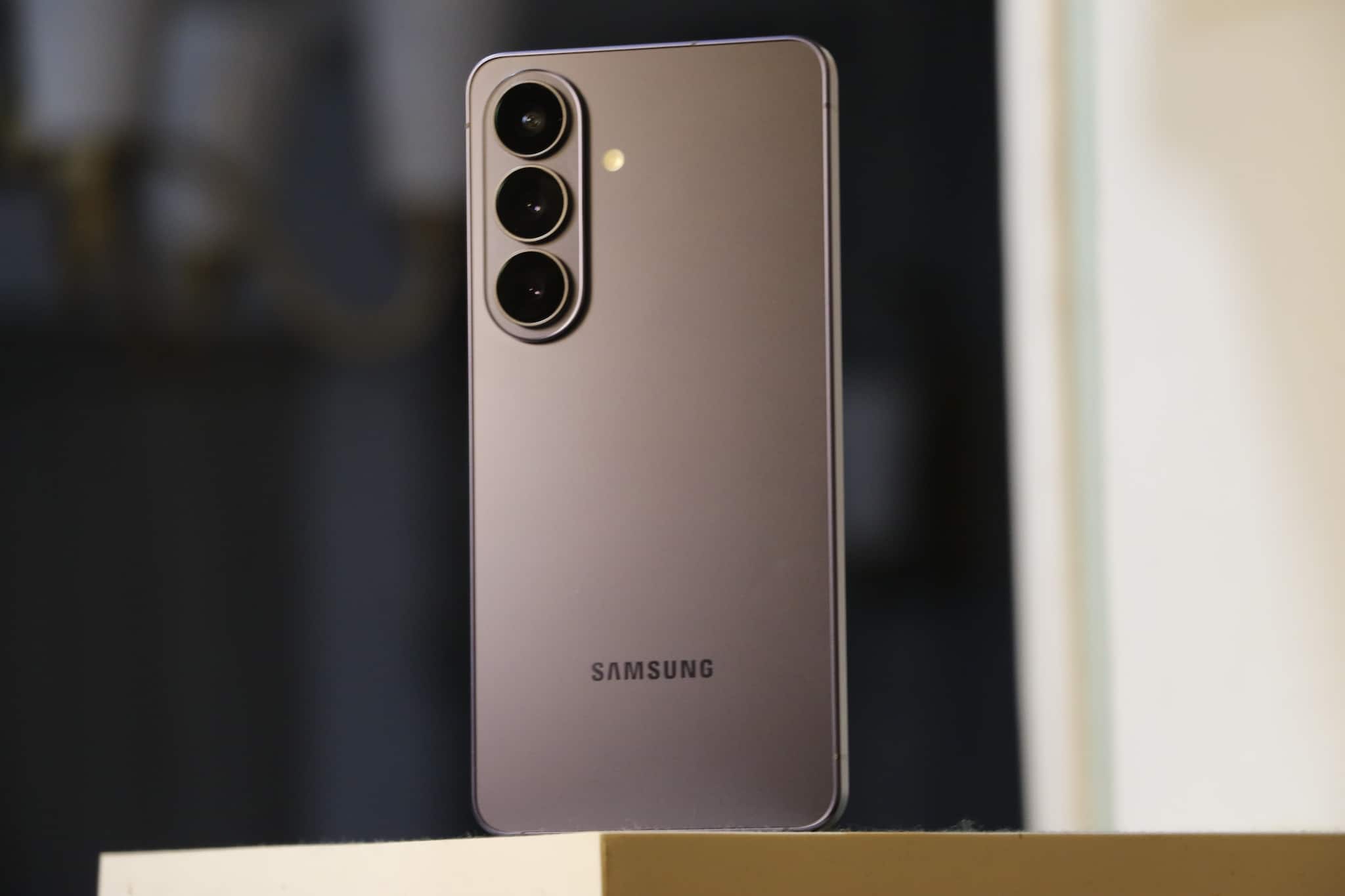 Galaxy S26 back panel
The expectations, however, remain high. This is the device most users will consider when stepping into Samsung’s flagship ecosystem. It needs to strike the right balance between price and performance, while still feeling like a meaningful upgrade.
But has Samsung done enough with the Galaxy S26, or is the formula getting too repetitive? Let’s find out in the detailed review.
Samsung Galaxy S26: Design
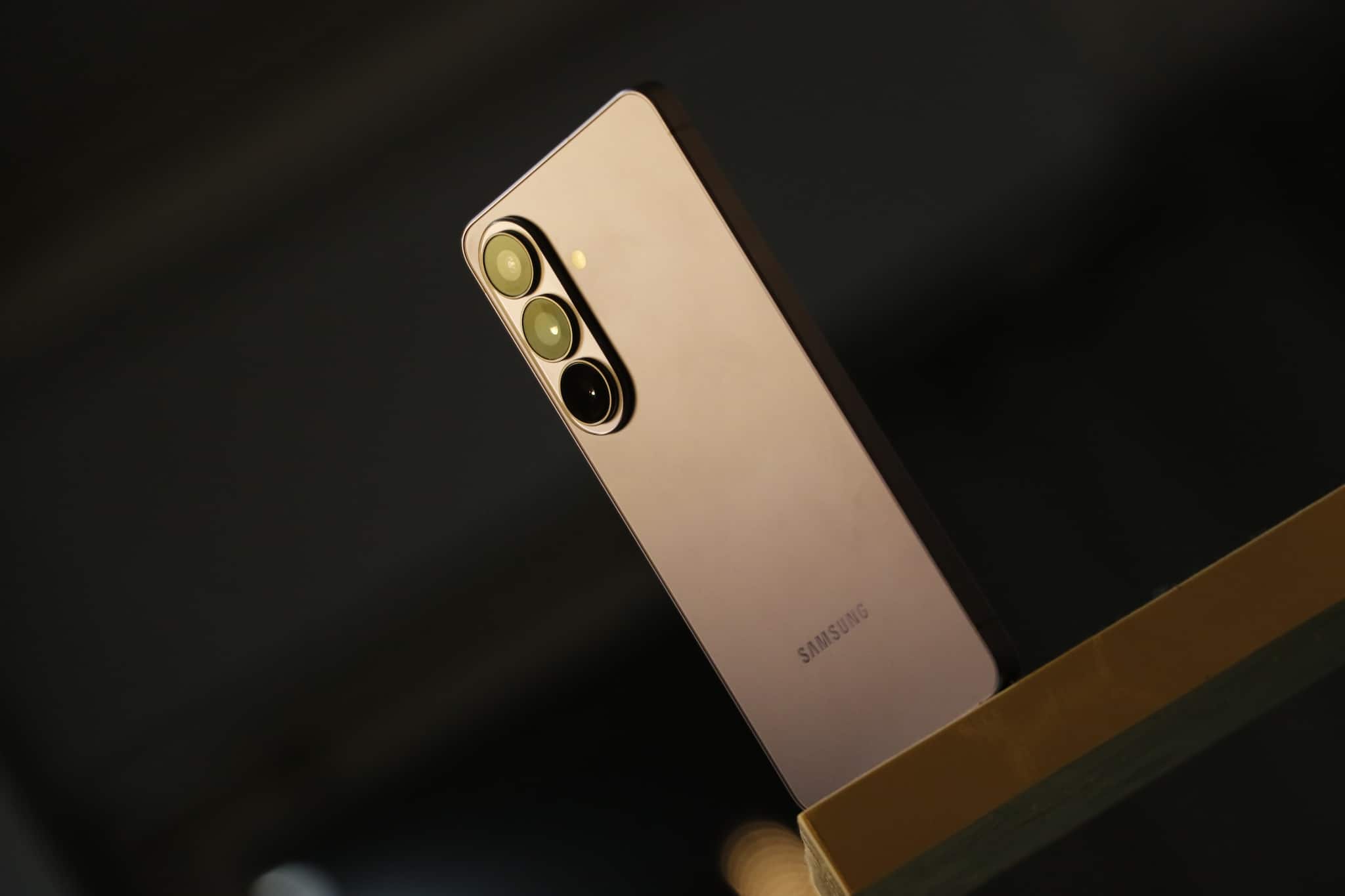
Things have changed and it may not be in the way you may have imagined. The good part is that the changes are more practical and then novelty. For instance, the new camera island adds to the character and it is also a big differentiating factor from the Galaxy S25. It is a tiny-bit taller and wider than its predecessor and that feels in hand, the phone overall feels more compact and well balanced. Also, the curved corners add to the holding comfort. This becomes especially relevant during one-handed use, where the phone feels easier to manage over extended periods.
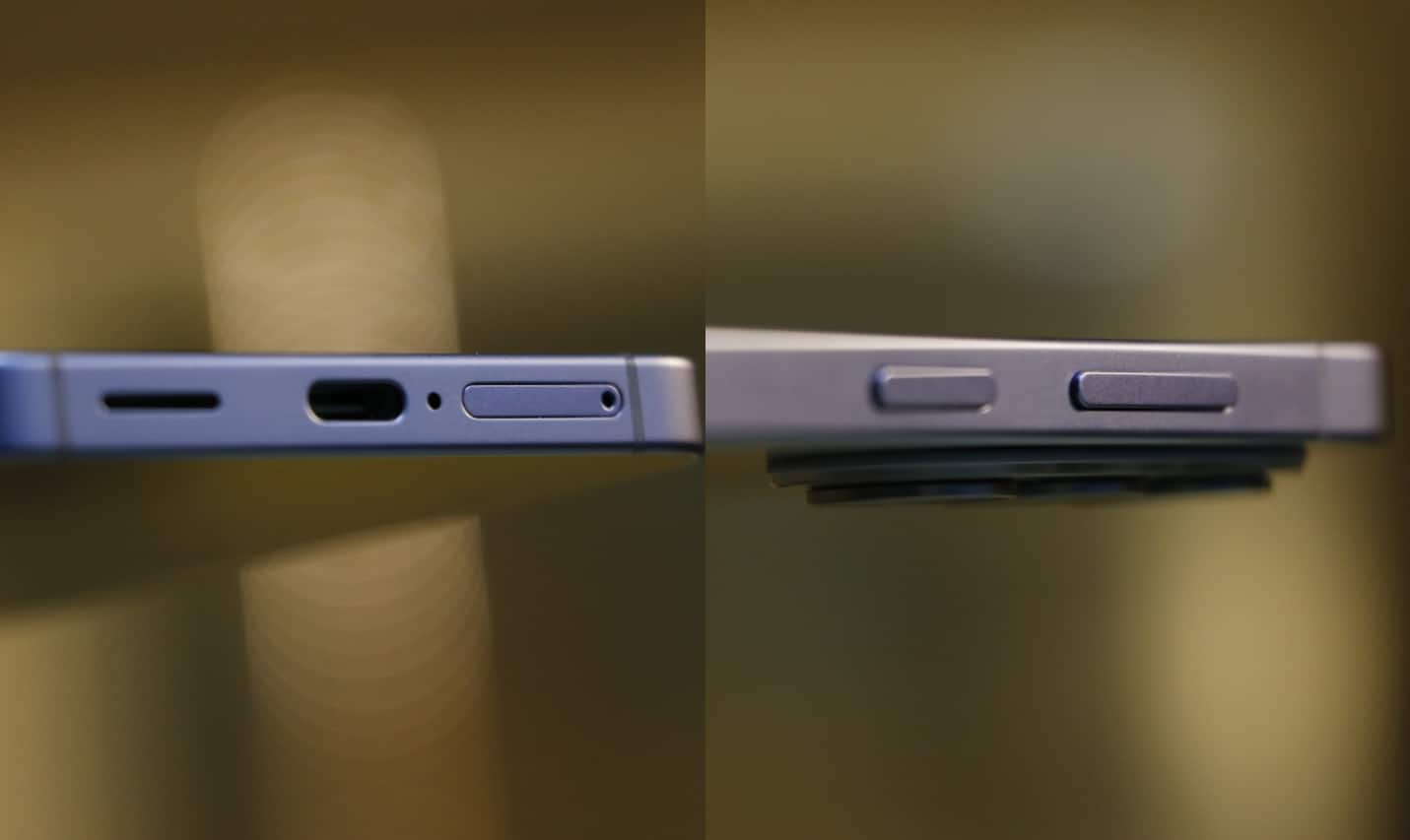 S26 Design
The device continues with an Armoured aluminum frame and glass panels on both sides, maintaining the clean and minimal aesthetic seen in previous generations. The frosted glass back still feels smooth and keeps the fingerprints and dust at bay.
This consistency reflects Samsung’s approach — sticking with what works rather than experimenting with new design directions.
However, there are subtle refinements. The rear panel now features a satin finish, which improves grip and reduces visible fingerprints. It is a small change, but one that improves everyday usability.
Samsung has also maintained a balanced weight distribution, ensuring that the device does not feel top-heavy despite the camera setup.
There are minor trade-offs. The camera module protrudes slightly more than before, which results in noticeable wobble when placed on flat surfaces.
The Galaxy S26 does not attempt to stand out visually. It focuses on usability and consistency, which works — but also limits its sense of novelty.
Samsung Galaxy S26: Display
Size: 6.3-inch
Resolution: FHD+ Dynamic AMOLED
Refresh rate: 120Hz adaptive
Samsung’s display quality has long been a benchmark, and the Galaxy S26 continues that trend. The device now features a slightly larger 6.3-inch panel, up from 6.2 inches on the previous model.
This increase is subtle but noticeable when consuming content. Videos, games, and browsing all benefit from the slightly larger viewing area without significantly affecting usability. It does miss out on Ultra’s showstopping – Privacy display – feature, but it also costs a lot less in comparison.
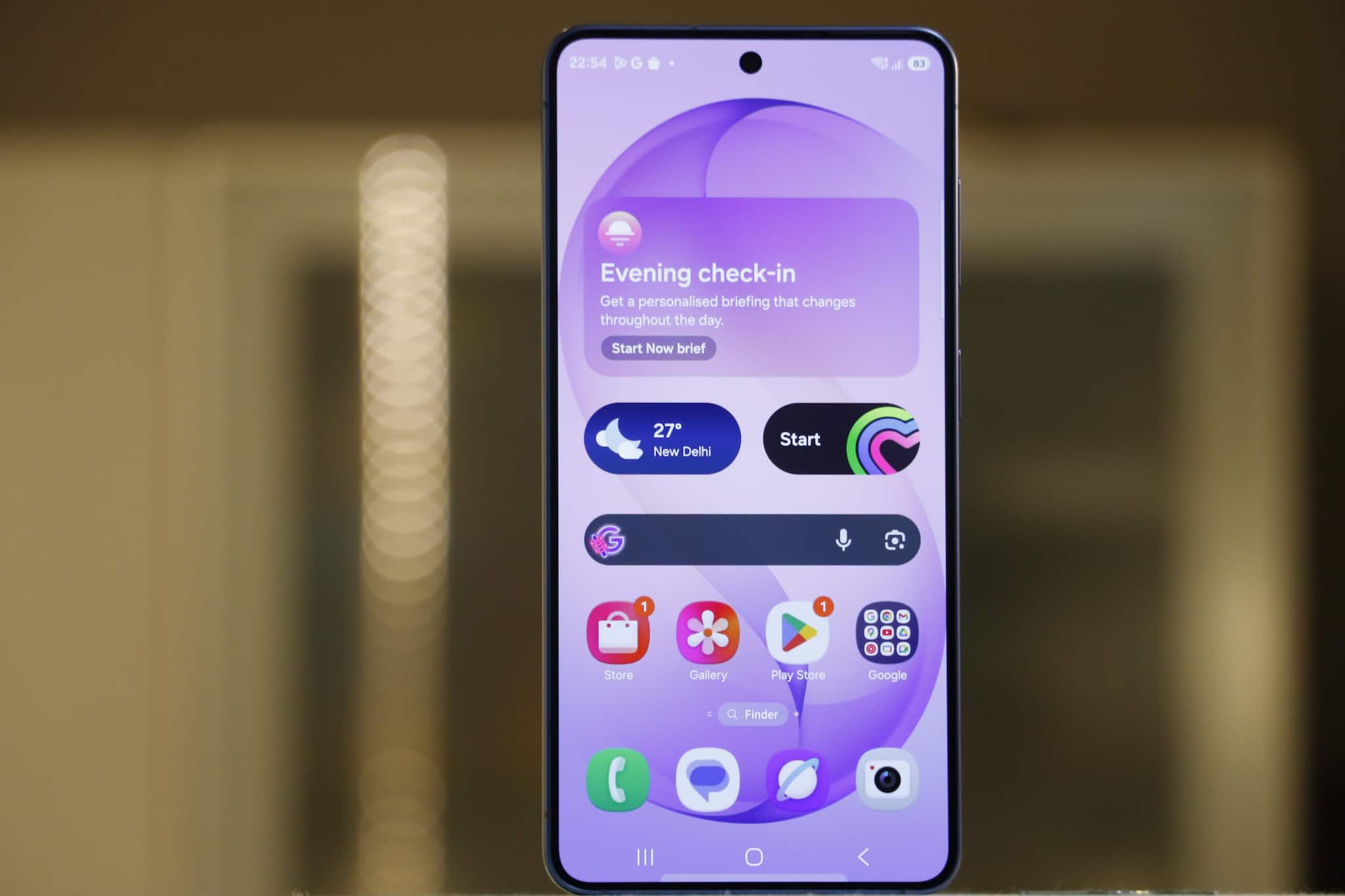 S26 Display
Coming back to the panel. It continues to deliver strong brightness and accurate colour reproduction. Whether used indoors or outdoors, the display remains consistent and easy to read.
However, the changes here are incremental. Brightness levels remain similar to the previous generation, and there are no major improvements in resolution or refresh rate.
The 120Hz refresh rate continues to provide smooth scrolling and responsive interactions. The display adapts well across different use cases, maintaining a balance between performance and efficiency.
Overall, the display remains reliable as always.
Samsung Galaxy S26: Performance
Chipset: Exynos 2600 / Snapdragon 8 Elite Gen 5
Process: 2nm Gate-All-Around (GAA)
CPU: Deca-core
• 1× C1-Ultra (3.8GHz)
• 3× C1-Pro (3.25GHz)
• 6× C1-Pro (2.75GHz)
GPU: Xclipse 960 (AMD-based, ray tracing support)
AI Engine: 32K MAC NPU
RAM: 12GB
Storage: 256GB / 512GB
Samsung continues its dual-chip strategy with the Galaxy S26. While some markets receive the Snapdragon variant, global units are powered by the Exynos 2600 — a chipset that represents a more significant shift than previous Exynos iterations.
The Exynos 2600 is built on a 2nm Gate-All-Around (GAA) process, which is an important change at a structural level. This new node focuses on improving both performance and power efficiency. Samsung has also redesigned the CPU architecture, moving to a deca-core setup that aims to balance high-performance and efficiency workloads more effectively.
On the graphics side, the Xclipse 960 GPU, based on AMD architecture, brings support for features such as ray tracing. Samsung claims up to 2x improvement in graphics performance compared to the previous generation. The chipset also introduces a more capable AI engine, with a 32K MAC NPU designed to improve generative AI workloads.
To support sustained performance, Samsung has introduced a new Heat Path Block (HPB) cooling system, which is designed to improve heat dissipation during extended usage.
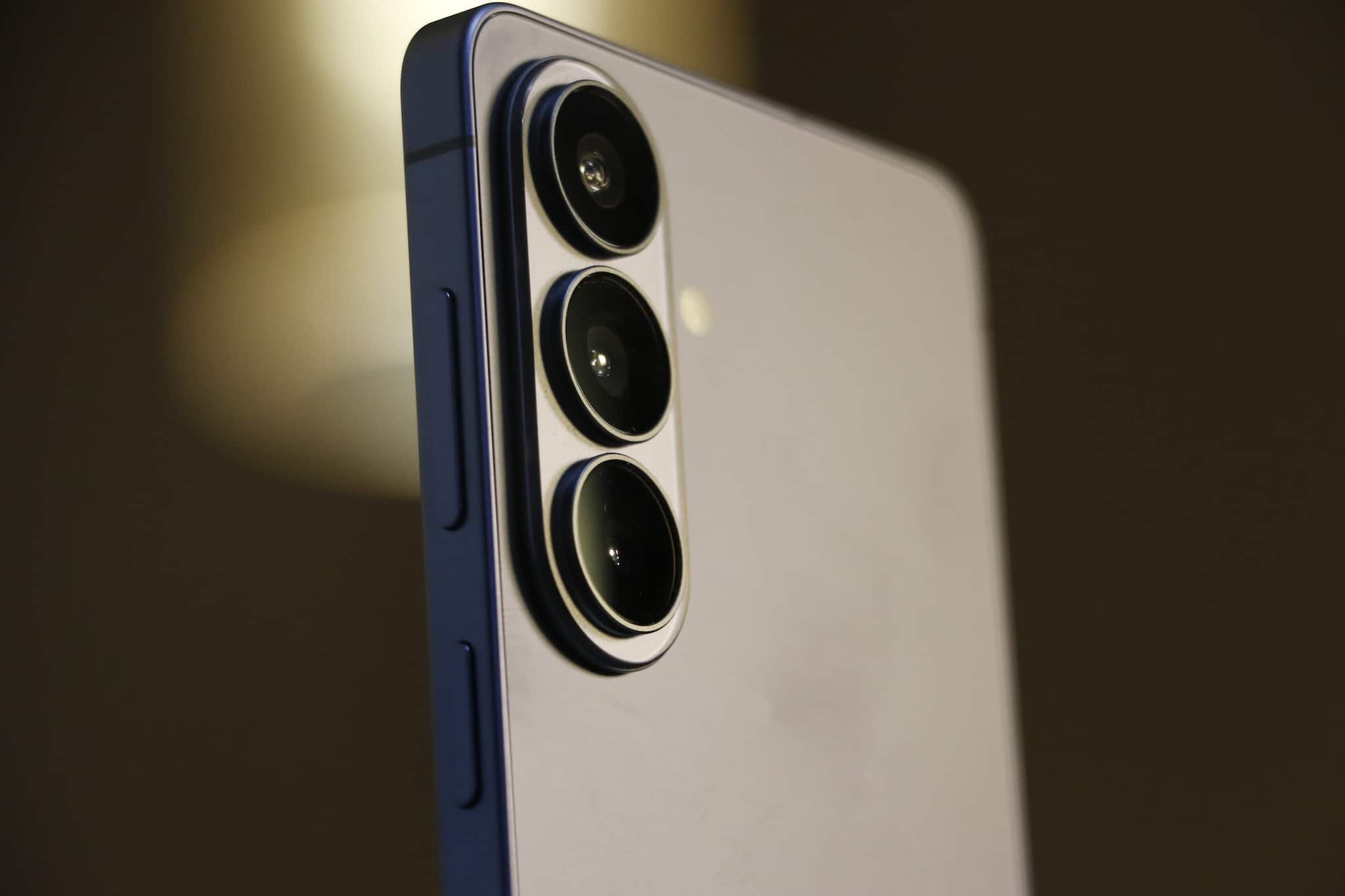 S26 review
On paper, the Galaxy S26 shows clear architectural improvements. However, as always, real-world performance matters more than specifications.
I tested the device across multiple scenarios to understand how these changes translate into everyday usage.
Test 1: Photo editing
We began with photo editing using high-resolution images. Using both the built-in editor and third-party apps, the Galaxy S26 handled adjustments such as filters, cropping, and colour correction without delay.
Rendering edits was quick, and exporting processed images took minimal time. The improvements in processing efficiency and storage speed are noticeable here.
Test 2: Video editing and rendering
For a heavier workload, we rendered a 5-minute 4k video with multiple transitions and effects.
The Galaxy S26 completed the task smoothly without noticeable slowdown. Even while rendering in the background, the device remained responsive enough for browsing and app switching. This reflects better sustained performance and improved thermal handling.
Test 3: Daily usage
In day-to-day usage, the Galaxy S26 performs consistently. Tasks such as browsing, social media, video streaming, and calls are handled without any issues.
App switching remains fluid, and the device maintains responsiveness even with multiple apps running simultaneously. This is where the efficiency improvements of the new architecture become more apparent.
Test 4: Gaming
Gaming performance is where the upgrades become more visible. Casual titles run effortlessly, while heavier games maintain stable frame rates at higher settings. I tried games like Candy Crush, Genshin Impact, BGMI and CoD Mobile. The lightweight titles were smooth – no doubt there. The triple-A titles were also smooth at maxed out settings. The phone handled them without breaking a sweat.
More importantly, the Galaxy S26 sustains performance over longer sessions. Frame drops are less frequent, and the device manages heat better than previous Exynos-powered models. The new cooling system appears to contribute to this stability.
Samsung Galaxy S26: Camera
Rear camera: 50MP main + 12MP ultra-wide + 10MP telephoto
Front camera: Wider field of view
Optical zoom: 3x
Max zoom: 30x
Auto mode
Most users rely on the default Photo mode, and this is where Samsung has made noticeable changes. The Galaxy S26 now produces slightly warmer images compared to its predecessor.
This is evident in scenes with mixed lighting, where the camera balances highlights and shadows better than before. Exposure levels are more controlled, and underexposed shots are less frequent – a big improvement from the Galaxy S25.
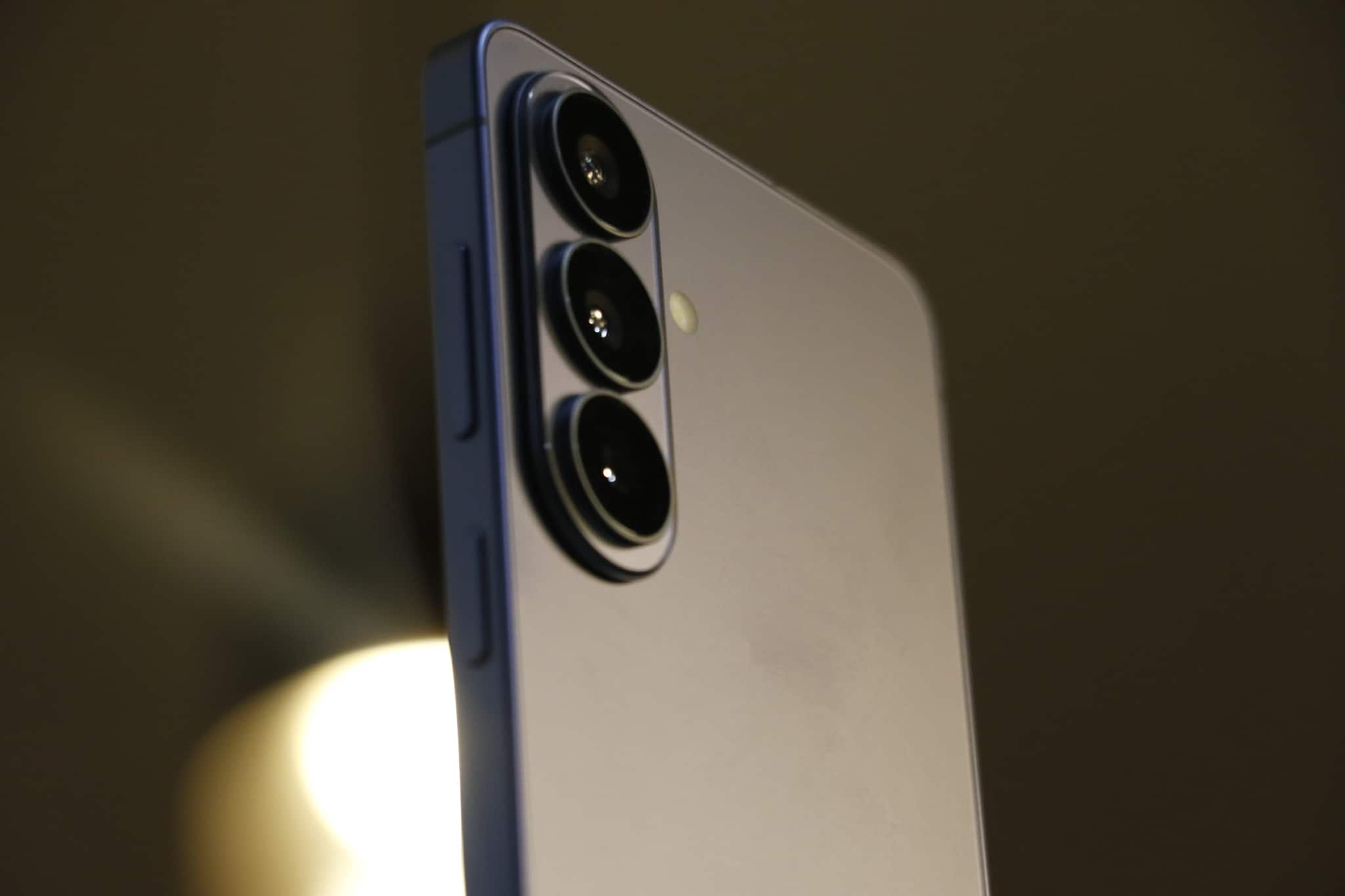 S26 rear camera
In daylight, images carry good detail and contrast. Colours remain vivid, though the warmer tone can sometimes make scenes look slightly processed. Samsung seems to have prioritised consistency over neutrality here.
Zoom performance
Switching to the 3x telephoto lens, the Galaxy S26 delivers consistent results. Images retain detail at this zoom level, and colour reproduction remains aligned with the main sensor.
However, this is also where the limitations of the setup become apparent. With only 3x optical zoom and no periscope-style lens, the Galaxy S26 lacks the flexibility offered by competing flagship devices. Beyond the optical range, quality drops, which highlights the absence of higher zoom capabilities.
Ultra-wide camera
The ultra-wide camera continues to offer a broad field of view with improved consistency in colour and exposure. Compared to previous models, highlight handling appears better controlled.
Distortion remains minimal, especially towards the edges of the frame. In low-light conditions, the ultra-wide camera tends to produce good images with relatively less visible noise.
Low-light and Night mode
Low-light photography sees incremental improvements. The Galaxy S26 captures brighter images with better shadow visibility, making darker areas easier to interpret.
Samsung has adjusted its processing to reduce underexposure. Images appear that they have been shot in the dark and not in daylight. Also, colours are natural and well controlled too.
Night mode works effectively in balancing light sources and maintaining detail, but it leans towards brightness rather than realism.
Portrait mode
Portrait performance remains one of Samsung’s stronger areas. Edge detection is accurate, and subject separation is handled well in most scenarios. Skin tones appear more consistent, and background blur is applied more evenly. The overall output feels refined and clean
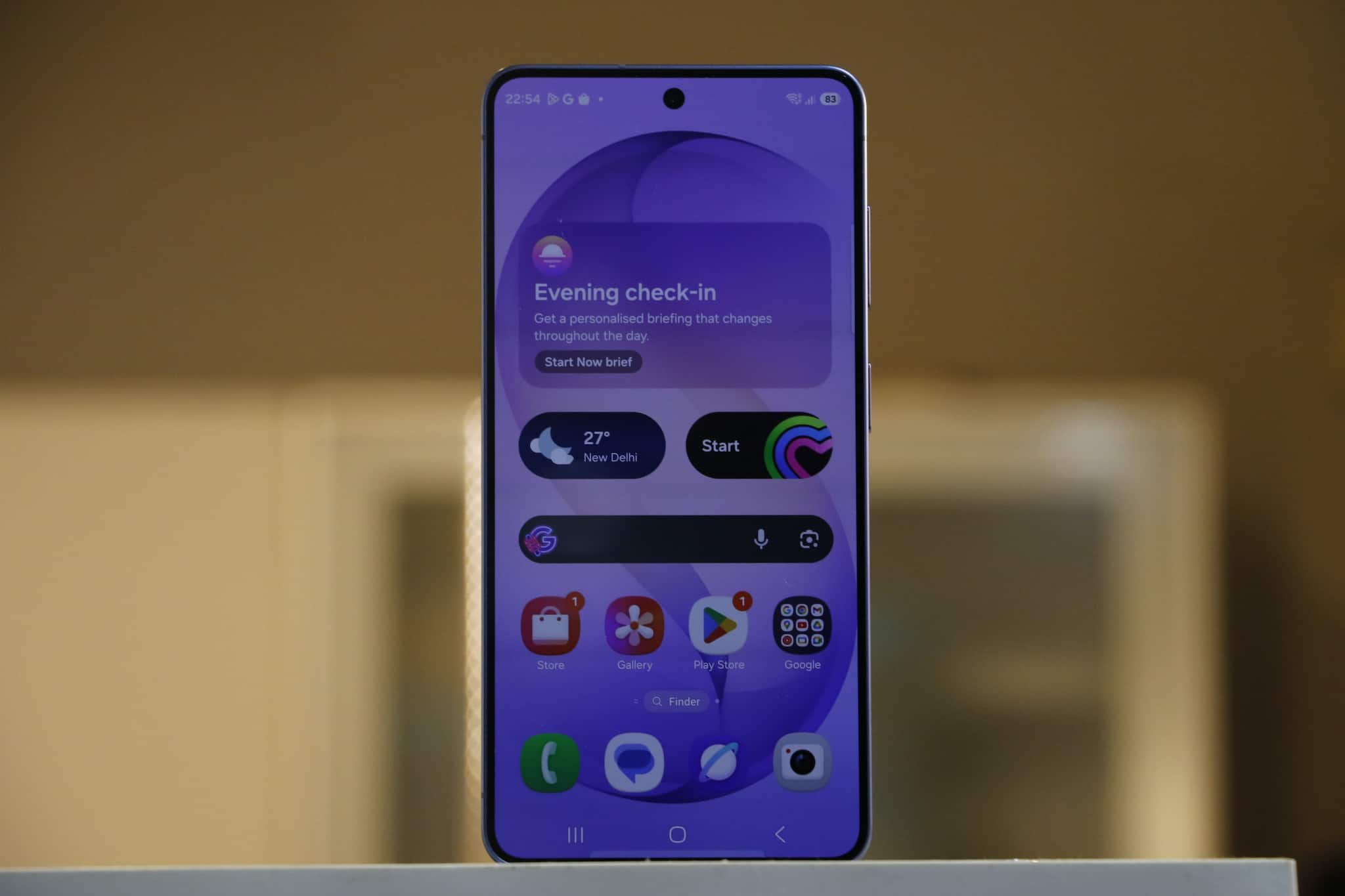 S26 front camera
Front camera
The front camera sees a minor change with a wider field of view. This makes it more suitable for group selfies and wider compositions. Image quality remains consistent, with good detail and balanced exposure.
Features and video
Samsung continues to offer a range of camera features, including AI-driven enhancements and editing tools within the system.
The addition of Horizon Lock in video recording is a practical feature. It keeps the horizon level even when the phone is rotated, which can be useful in action-oriented scenarios.
However, beyond this, the overall video quality remains similar to previous models. Stabilisation works well, but there are no major upgrades in recording capabilities and it can shoot up to 8k 30fps videos.
The Galaxy S26 camera system feels like a continuation rather than an upgrade. The improvements are primarily software-driven, focusing on exposure handling, colour tuning, and consistency.
Samsung Galaxy S26: Battery
Battery: 4,300mAh
Charging: 25W wired, 15W wireless
The Galaxy S26 introduces a larger battery, increasing capacity from 4,000mAh to 4,300mAh.
In real-world usage, the improvement is noticeable in video playback, where the device lasts longer than its predecessor. The difference is noticeable in daily usage conditions. I got around 1 day of use in a single charge with a medium to high usages.
Charging speeds remain unchanged. A full charge takes over an hour. A faster charging support would have been welcomed here. Wireless charging continues to be supported,
Galaxy S26 camera samples
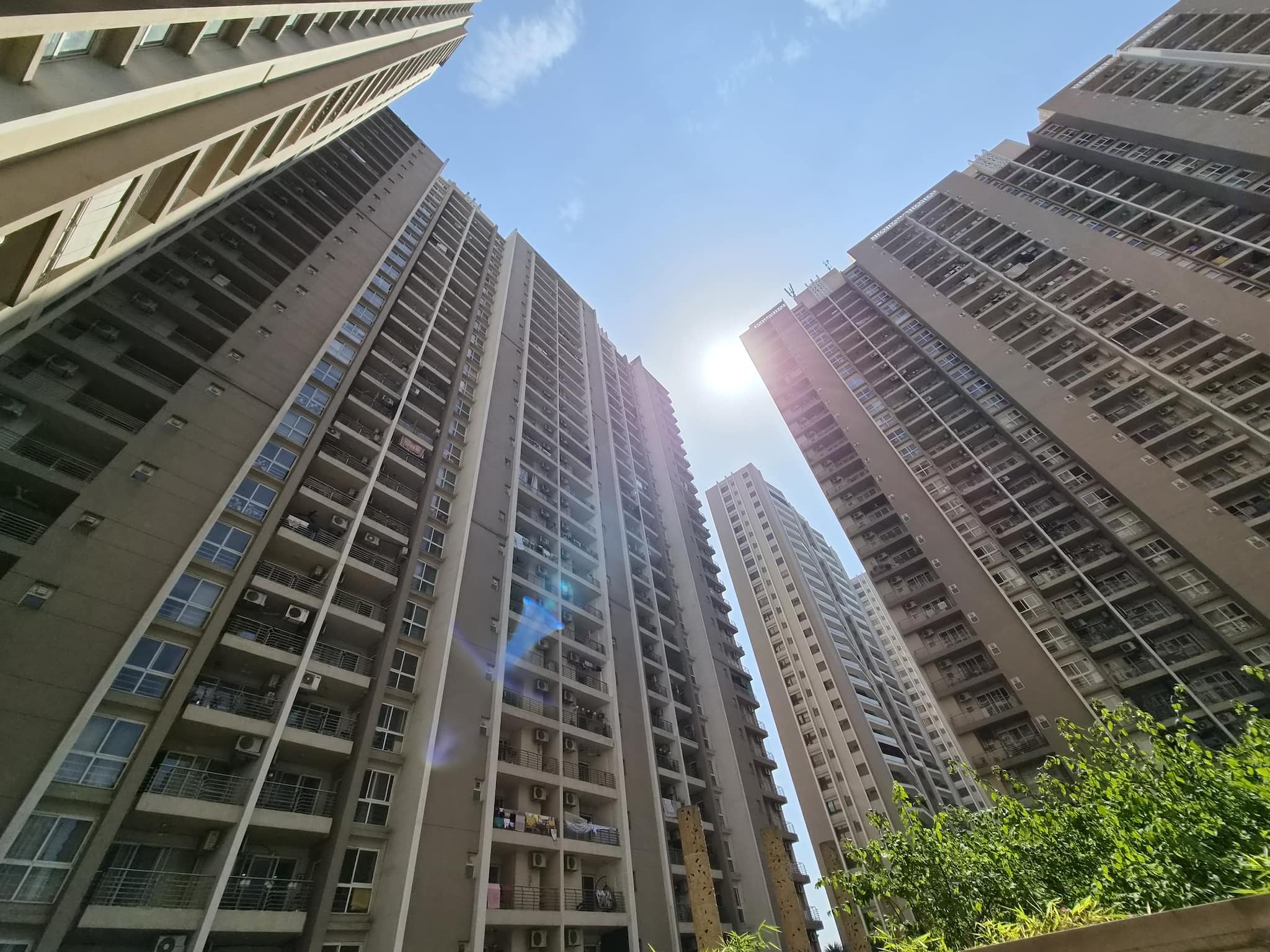
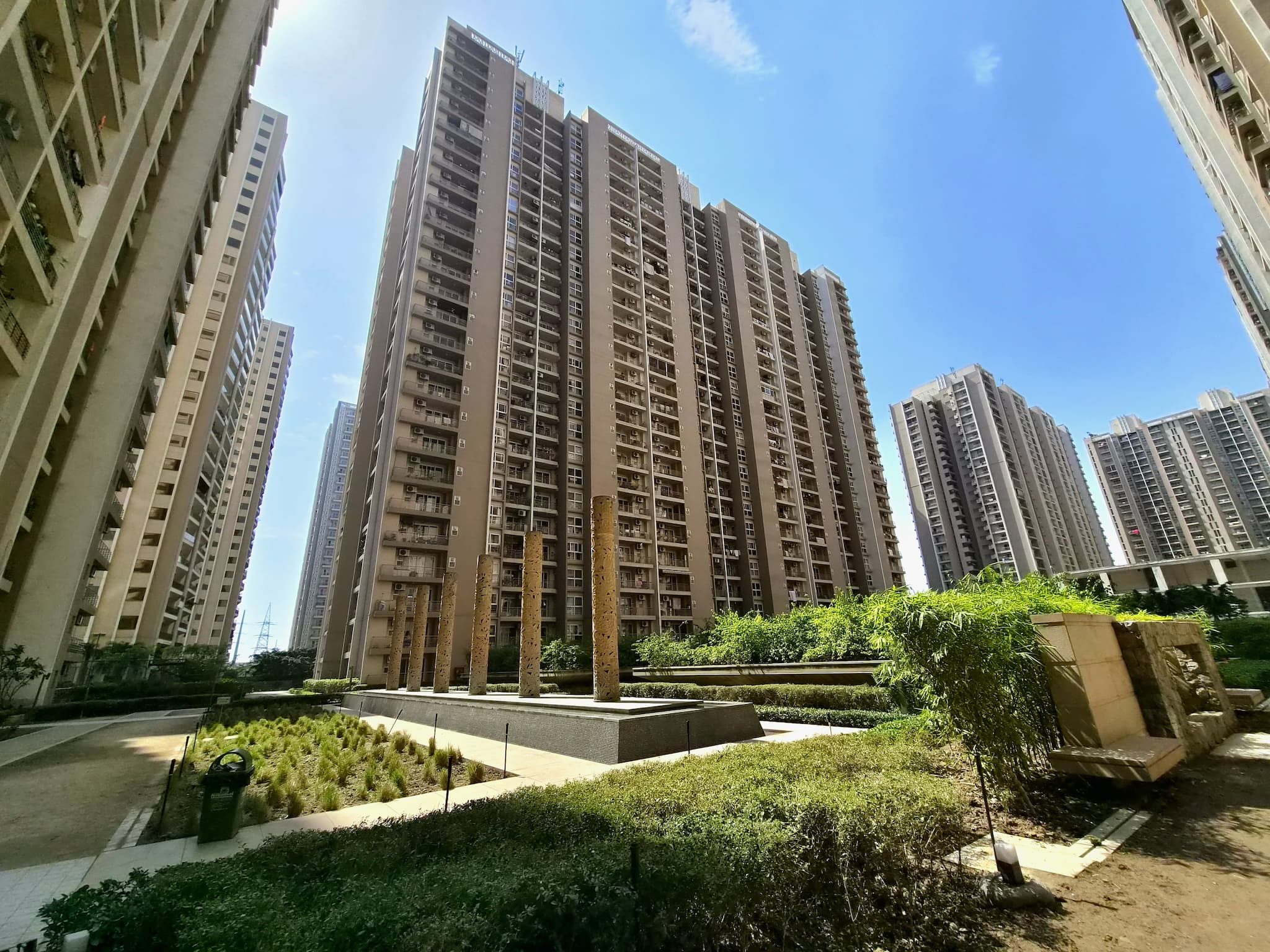

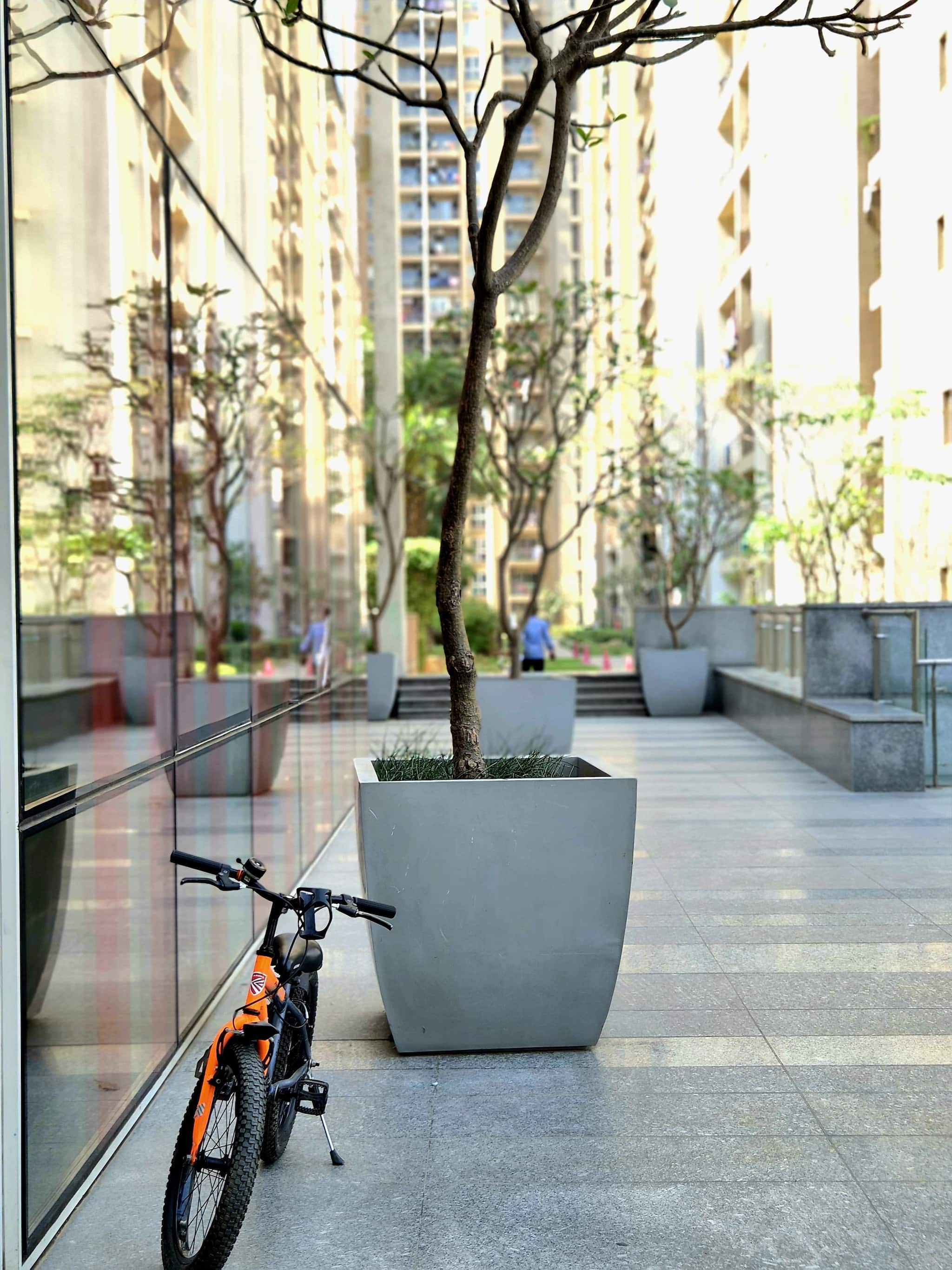
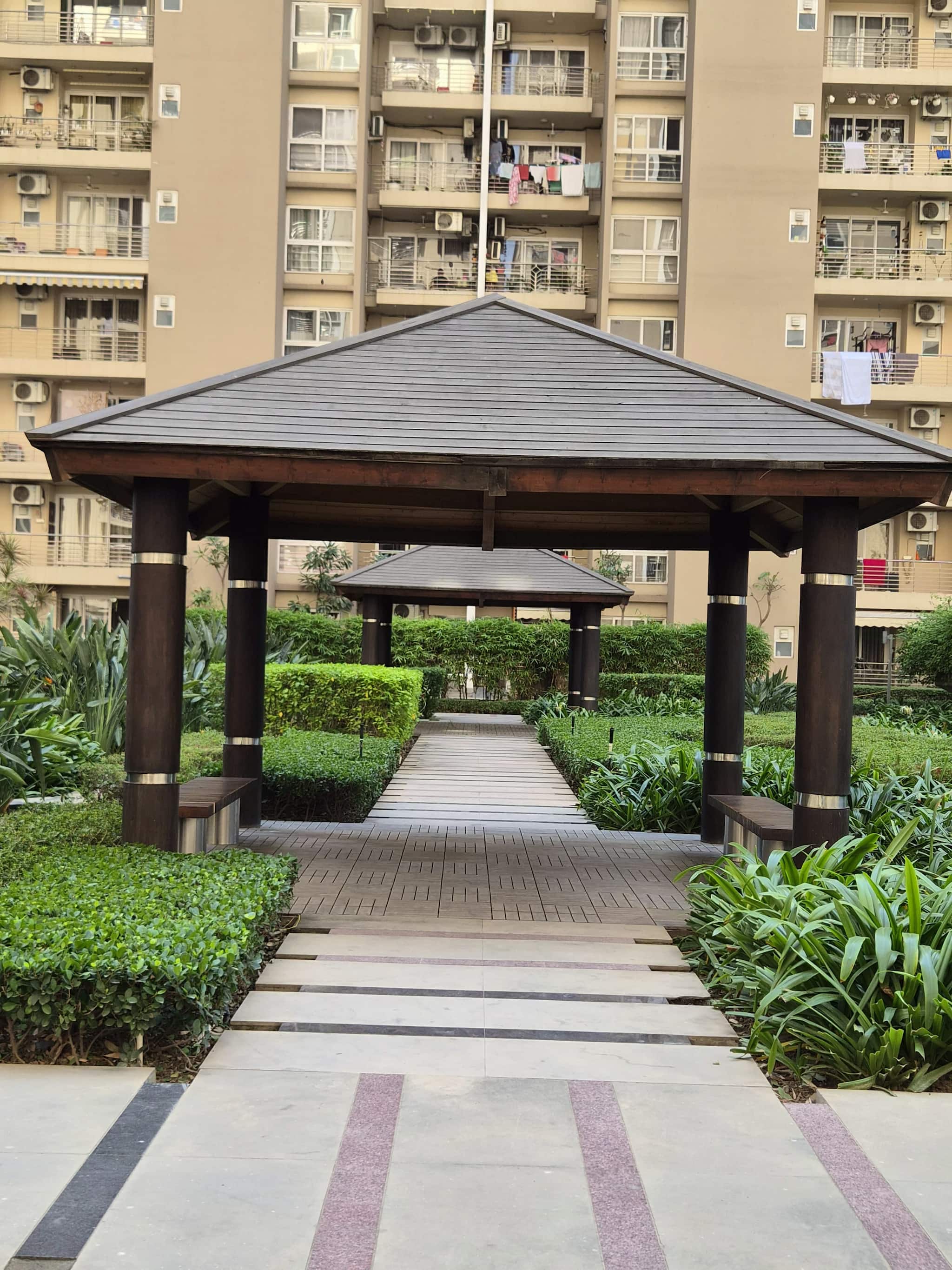

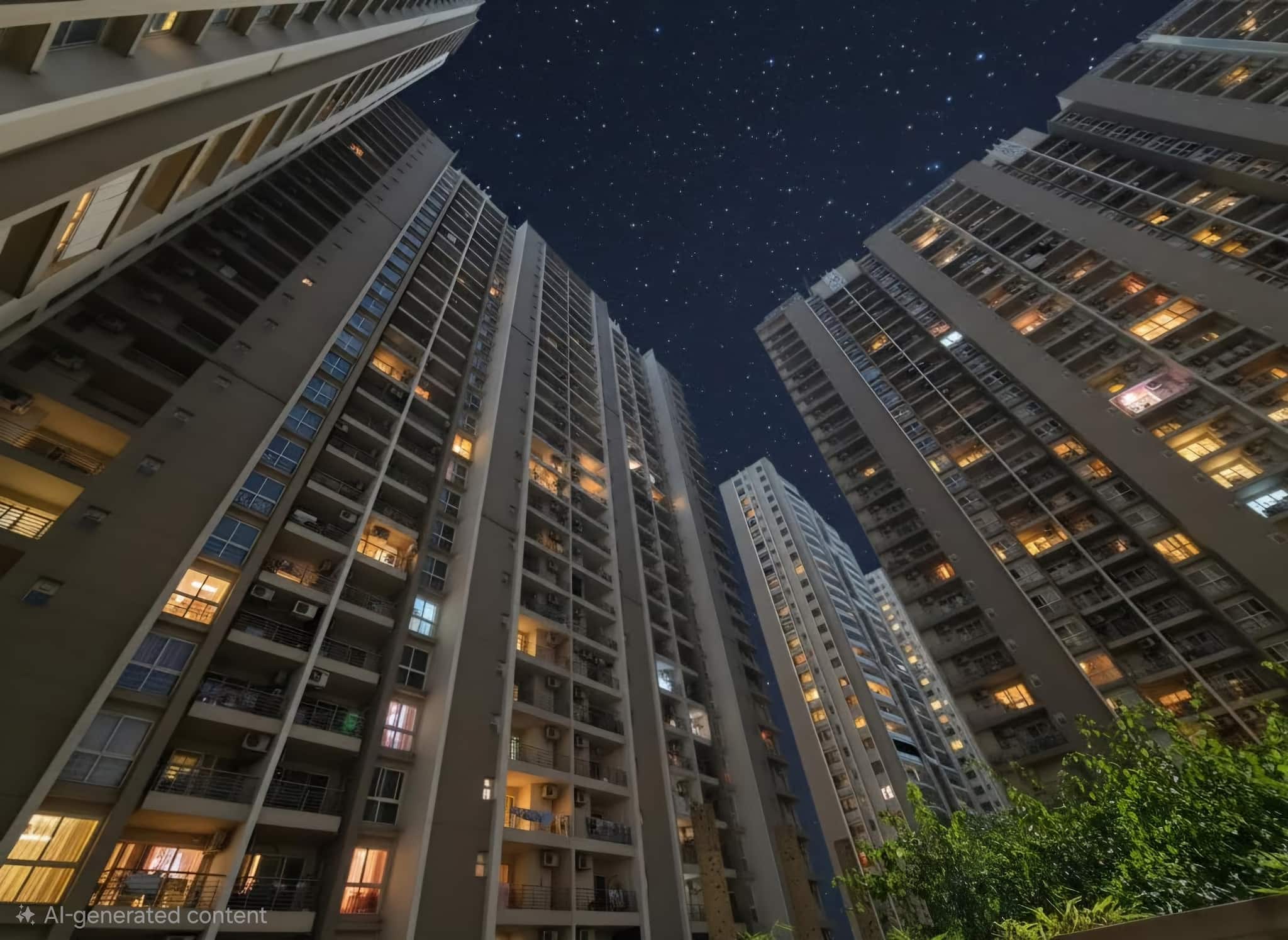
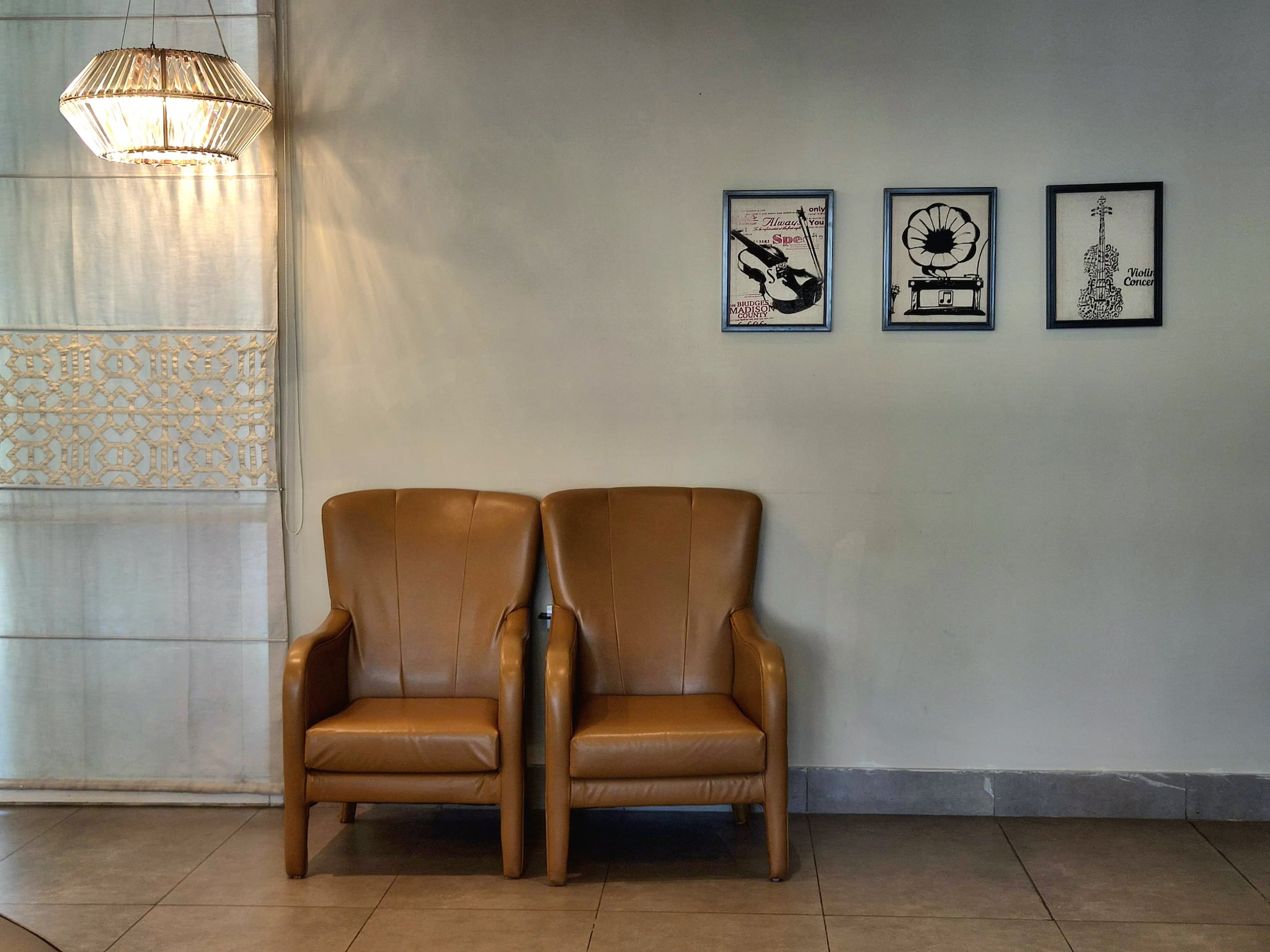
 S26 camera samples
 S26 camera samples
Samsung Galaxy S26: Software
OS: Android 16
UI: One UI 8.5
Updates: Up to 7 years
Samsung has equipped the Galaxy S26 with One UI 8.5 based on Android 16. Over the years, The Galaxy S26 runs on One UI 8.5 based on Android 16, and the overall experience remains clean, smooth, and refined. Samsung has reached a point where the interface feels mature, with consistent animations, stable performance, and a layout that is easy to navigate even with one hand.
At its core, the experience does not feel drastically different from the previous generation. The design language, quick settings panel, and system layout remain familiar. What Samsung has focused on this year is improving how the software behaves rather than how it looks.
The biggest changes come in the form of AI integration. One UI 8.5 introduces more contextual features that aim to anticipate user actions. The system can suggest apps, settings, or actions based on usage patterns, which can reduce the number of steps needed for routine tasks.
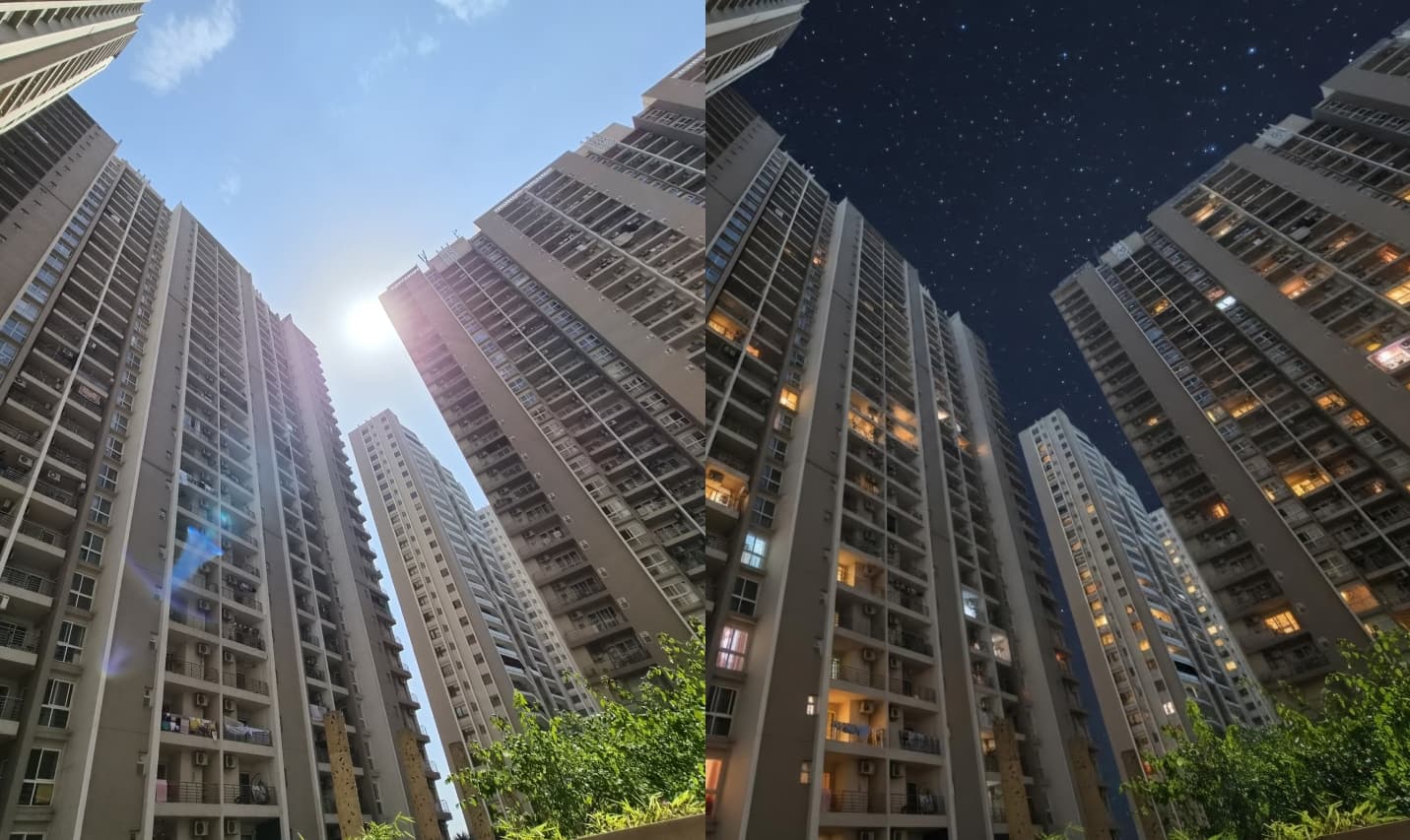 S26 Gallery AI
Samsung has also expanded AI tools within native apps. Features such as object removal, image editing, and text-based content generation are now more deeply integrated into the gallery and editing interface. This makes them easier to access without relying on third-party apps.
System-wide search has also improved, offering quicker and more relevant results across apps, settings, and files. Alongside this, enhancements like video upscaling aim to improve media consumption, though results vary depending on the content.
Overall, the software experience remains polished and reliable. The changes are incremental, but they focus on making everyday interactions more efficient rather than introducing major visual shifts.
Samsung Galaxy S26: Verdict
Samsung Galaxy S26 gets the basics and advances right, and that defines its appeal. The compact design remains a key strength, making it easier to use than most flagship phones, while performance stays stable across both daily and demanding tasks.
The larger battery adds some improvement to endurance, and the software experience continues to be smooth and reliable with long-term support. These are practical upgrades that improve everyday usability.
 Galaxy S26 review
At the same time, the familiar design, unchanged camera hardware, and slow charging speeds stand out at this price.
At Rs 84,999, the Galaxy S26 delivers a well-rounded flagship experience. It may not feel like a major upgrade, but it remains a dependable choice for users wanting a compact premium flagship smartphone that comes with no-big compromise.


Discover the latest Business News, Sensex, and Nifty updates. Obtain Personal Finance insights, tax queries, and expert opinions on Moneycontrol or download the Moneycontrol App to stay updated!
Find the best of Al News in one place, specially curated for you every weekend.
Stay on top of the latest tech trends and biggest startup news.