Moneycontrol PRO
HomeNewsWorldUS medical experts to vote on Pfizer COVID-19 boosters

US medical experts to vote on Pfizer COVID-19 boosters

However, the experts have since expressed reservations about whether they are required, amid concerns over global inequity, the greater need to vaccinate the unvaccinated, and possible increased risk of side effects.

September 17, 2021 / 11:00 IST
The decision on whether to authorize a vaccine for younger children is eagerly anticipated by millions of Americans, particularly parents whose children started school in recent weeks amid a wave of infections driven by the Delta variant.

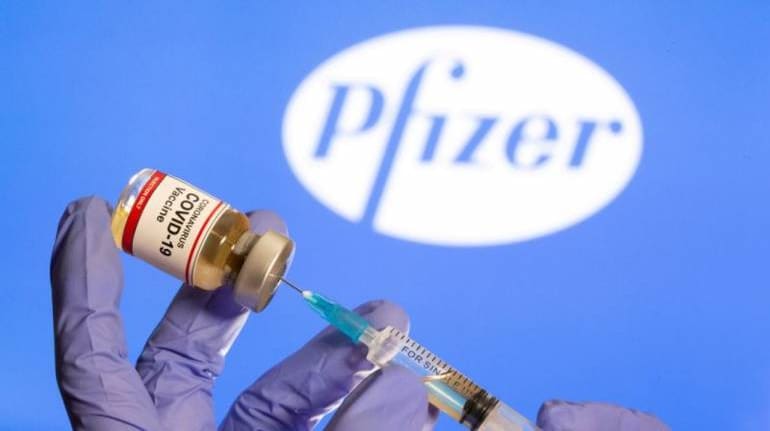
US medical experts will be meeting on Friday to debate and vote on the controversial question of giving out booster doses of Pfizer's COVID-19 vaccine to the general population.

President Joe Biden's administration announced in August a plan to roll out third shots to everyone, not just the immune compromised already able to receive them, starting from September 20. However, the experts have since expressed reservations about whether they are required, amid concerns over global inequity, the greater need to vaccinate the unvaccinated, and possible increased risk of side effects.

The skepticism extends to scientists at the Food and Drug Administration (FDA), who struck a cautious tone in documents released ahead of Friday's meeting where an independent panel has been convened. "Overall, data indicate that currently US-licensed or authorised COVID-19 vaccines still afford protection against severe Covid-19 disease and death in the United States," the FDA said in a briefing document.

If the FDA panel votes yes, it will fall to another committee convened by the Centres for Disease Control and Prevention (CDC) on September 22-23 to decide who should receive the booster first and when they should get it. The CDC has previously indicated it sees the elderly, nursing home residents and health care workers as likely first in line.

Two senior FDA officials signed on to a letter in The Lancet this week that said "booster doses for the general population are not appropriate at this stage in the pandemic."
Meanwhile, a new study has revealed that the people who were administered Moderna’s Covid vaccine a year ago are more likely to contract coronavirus.
Moderna is suggesting the usage of a Covid booster shot — which the World Health Organization (WHO) has protested. "It is promising to see clinical and real-world evidence adding to the growing body of data on the effectiveness of the Moderna COVID-19 vaccine," Moderna CEO Stéphane Bancel said insisting on the need of a booster shot.
"The increased risk of breakthrough infections in COVE study participants who were vaccinated last year compared to more recently illustrates the impact of waning immunity and supports the need for a booster to maintain high levels of protection."

COVID-19 Vaccine

Frequently Asked Questions

View more
How does a vaccine work?

A vaccine works by mimicking a natural infection. A vaccine not only induces immune response to protect people from any future COVID-19 infection, but also helps quickly build herd immunity to put an end to the pandemic. Herd immunity occurs when a sufficient percentage of a population becomes immune to a disease, making the spread of disease from person to person unlikely. The good news is that SARS-CoV-2 virus has been fairly stable, which increases the viability of a vaccine.

How many types of vaccines are there?

There are broadly four types of vaccine — one, a vaccine based on the whole virus (this could be either inactivated, or an attenuated [weakened] virus vaccine); two, a non-replicating viral vector vaccine that uses a benign virus as vector that carries the antigen of SARS-CoV; three, nucleic-acid vaccines that have genetic material like DNA and RNA of antigens like spike protein given to a person, helping human cells decode genetic material and produce the vaccine; and four, protein subunit vaccine wherein the recombinant proteins of SARS-COV-2 along with an adjuvant (booster) is given as a vaccine.

What does it take to develop a vaccine of this kind?

Vaccine development is a long, complex process. Unlike drugs that are given to people with a diseased, vaccines are given to healthy people and also vulnerable sections such as children, pregnant women and the elderly. So rigorous tests are compulsory. History says that the fastest time it took to develop a vaccine is five years, but it usually takes double or sometimes triple that time.

View more
Show

AFP
first published: Sep 17, 2021 11:00 am

Discover the latest Business News, Sensex, and Nifty updates. Obtain Personal Finance insights, tax queries, and expert opinions on Moneycontrol or download the Moneycontrol App to stay updated!

Subscribe to Tech Newsletters

  • On Saturdays

    Find the best of Al News in one place, specially curated for you every weekend.

  • Daily-Weekdays

    Stay on top of the latest tech trends and biggest startup news.

Advisory Alert: It has come to our attention that certain individuals are representing themselves as affiliates of Moneycontrol and soliciting funds on the false promise of assured returns on their investments. We wish to reiterate that Moneycontrol does not solicit funds from investors and neither does it promise any assured returns. In case you are approached by anyone making such claims, please write to us at grievanceofficer@nw18.com or call on 02268882347