Moneycontrol PRO
HomeNewsTrendsSugar mill owners rejoice as Centre lifts ban on export of alcohol-based hand sanitisers

Sugar mill owners rejoice as Centre lifts ban on export of alcohol-based hand sanitisers

Sugar mills had started bulk production of alcohol-based hand sanitisers after the nationwide lockdown imposed to contain the spread of the novel coronavirus had hit sugar demand in the country.

June 04, 2020 / 15:04 IST
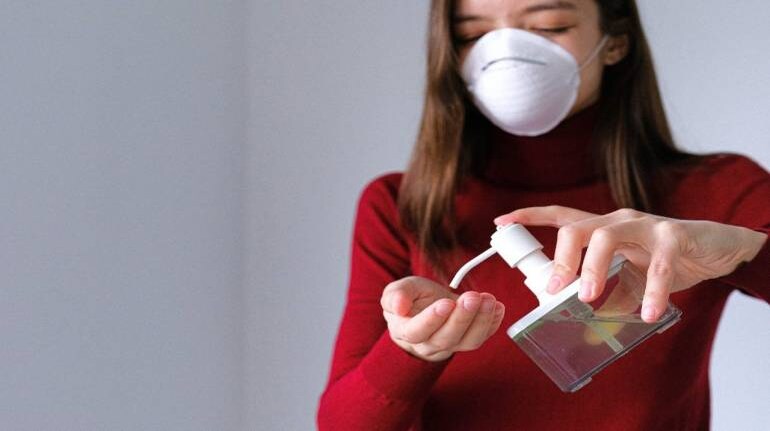
PeeSafe | Headcount : 150 | Headquarters: Gurugram | Year founded: 2017 | According to LinkedIn, the company has seen a spike in online sales since March, which offset a drop in footfall at physical stores. It rolled out products such as hand sanitisers, surface protectants and face masks amid the pandemic.(Representational Image: pexels.com)

In a move that will prove beneficial for the beleaguered domestic sugar industry, the Centre has allowed export of alcohol-based hand sanitisers that are in high demand globally due to the novel coronavirus pandemic.

Export of hand sanitisers was banned by a central order passed on May 6 to make sure that there is no shortage of the product in the domestic market. This decree, however, did not suspend the export of non-alcohol-based sanitisers.

Reverting the previous order, Amit Yadav, Director General of Foreign Trade (DGFT), on June 1, allowed with immediate effect the export of alcohol-based hand sanitisers “in any other form/packaging” apart from containers with dispenser pumps.

The move comes days after some of the biggest private sugar millers in the country had petitioned the Centre asking it to allow the export of alcohol-based sanitiser considering robust installed capacities and abundant production to serve the domestic market.

This will greatly benefit Indian sugar mills, which had taken to bulk production of alcohol-based hand rubs after the nationwide lockdown imposed to contain the spread of the pandemic hit sugar demand in the country, Business Standard reported. The sugar mills are reportedly looking to continue producing sanitisers to expend the available stock of ethanol alcohol with them.

COVID-19 Vaccine

Frequently Asked Questions

View more
How does a vaccine work?

A vaccine works by mimicking a natural infection. A vaccine not only induces immune response to protect people from any future COVID-19 infection, but also helps quickly build herd immunity to put an end to the pandemic. Herd immunity occurs when a sufficient percentage of a population becomes immune to a disease, making the spread of disease from person to person unlikely. The good news is that SARS-CoV-2 virus has been fairly stable, which increases the viability of a vaccine.

How many types of vaccines are there?

There are broadly four types of vaccine — one, a vaccine based on the whole virus (this could be either inactivated, or an attenuated [weakened] virus vaccine); two, a non-replicating viral vector vaccine that uses a benign virus as vector that carries the antigen of SARS-CoV; three, nucleic-acid vaccines that have genetic material like DNA and RNA of antigens like spike protein given to a person, helping human cells decode genetic material and produce the vaccine; and four, protein subunit vaccine wherein the recombinant proteins of SARS-COV-2 along with an adjuvant (booster) is given as a vaccine.

What does it take to develop a vaccine of this kind?

Vaccine development is a long, complex process. Unlike drugs that are given to people with a diseased, vaccines are given to healthy people and also vulnerable sections such as children, pregnant women and the elderly. So rigorous tests are compulsory. History says that the fastest time it took to develop a vaccine is five years, but it usually takes double or sometimes triple that time.

View more
Show

Welcoming the move, Deepak Guptara, Secretary, UP Sugar Mills Association (UPSMA), said: “There is a high demand for hand sanitisers in the Indian subcontinent and our immediate markets, such as Sri Lanka. Besides, hand sanitisers manufactured by mills is 80 percent pure, whereas the World Health Organisation (WHO) norms mandate purity of 65 percent at least.”

Notably, the Uttar Pradesh-based sugar mills have already collectively produced as much as nine million litres of the hand rub. More than 80 units are commercially manufacturing hand sanitisers now, taking UP’s manufacturing capacity to nearly 5,30,000 litres per day at present.

To follow our full coverage on coronavirus, click here

Moneycontrol News
first published: Jun 4, 2020 03:04 pm

Discover the latest Business News, Sensex, and Nifty updates. Obtain Personal Finance insights, tax queries, and expert opinions on Moneycontrol or download the Moneycontrol App to stay updated!

Subscribe to Tech Newsletters

  • On Saturdays

    Find the best of Al News in one place, specially curated for you every weekend.

  • Daily-Weekdays

    Stay on top of the latest tech trends and biggest startup news.

Advisory Alert: It has come to our attention that certain individuals are representing themselves as affiliates of Moneycontrol and soliciting funds on the false promise of assured returns on their investments. We wish to reiterate that Moneycontrol does not solicit funds from investors and neither does it promise any assured returns. In case you are approached by anyone making such claims, please write to us at grievanceofficer@nw18.com or call on 02268882347