






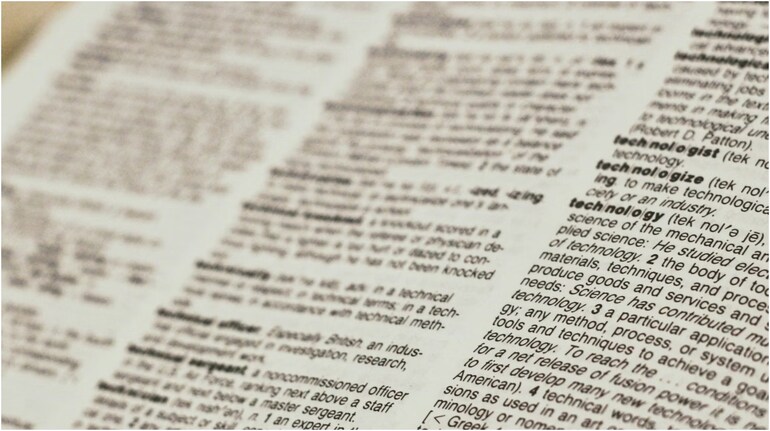
The term “slop”, commonly used online to describe low-quality or fabricated digital material, was named Merriam-Webster’s word of the year for 2025, reflecting growing public awareness of artificial intelligence-generated content.
The announcement was made ahead of schedule, with Merriam-Webster president Greg Barlow discussing the decision in an interview with The Associated Press. He said the word captured how people were responding to the rapid spread of generative AI across digital platforms.
“It’s such an illustrative word,” Barlow said. “It’s part of a transformative technology, AI, and it’s something that people have found fascinating, annoying, and a little bit ridiculous.”
The wordoriginally entered English usage in the 18th century, when it referred to wet soil or mud. Over time, it came to signify material considered worthless or poorly made. In recent years, its meaning expanded further, with Merriam-Webster defining it as “digital content of low quality that is produced usually in quantity by means of artificial intelligence”.
Barlow explained that the term now covered a broad range of material generated online, including “absurd videos, weird advertising images, cheesy propaganda, fake news that looks real, junky AI-written digital books”.
Although misleading or poor-quality material had circulated online long before generative AI became widespread, Barlow noted that newer tools had made production easier and more accessible. He said such content had also been deployed for political messaging.
According to Merriam-Webster, the word “slop” resonated because of the imagery it evoked, from unappealing food scraps to chaotic digital output created without care or accuracy.
Despite the negative associations, Barlow said the surge in interest around the term carried a positive implication. He argued that the rise in dictionary searches suggested that people were becoming more discerning about what they consumed online.
“They want things that are real, they want things that are genuine,” he said. “It’s almost a defiant word when it comes to AI. When it comes to replacing human creativity, sometimes AI actually doesn’t seem so intelligent.”
Merriam-Webster’s word of the year was selected through an internal review process that examined search data and changes in usage patterns. Editors then debated which term best reflected public discourse over the year.
“We like to think that we are a mirror for people,” Barlow said.
He added that some commonly searched words were excluded annually because they appeared consistently regardless of current events. Examples included “ubiquitous”, “paradigm”, “albeit” and “irregardless”, which remained frequent look-ups due to their ambiguous or contested usage rather than cultural relevance.
Discover the latest Business News, Sensex, and Nifty updates. Obtain Personal Finance insights, tax queries, and expert opinions on Moneycontrol or download the Moneycontrol App to stay updated!
Find the best of Al News in one place, specially curated for you every weekend.
Stay on top of the latest tech trends and biggest startup news.




