In a live webinar session held with teachers across the country on May 14, Union Human Resource Development (HRD) Minister Ramesh Pokhriyal Nishank answered a host of queries concerning the changing face of academics during and after the coronavirus lockdown.
All educational institutes across India have been shut for nearly two months to contain the spread of the deadly novel coronavirus in India, which has left students anxious about completing the syllabus, writing their exams, promotion to next class, assignment submissions, etc.
For live updates on coronavirus, click here
Although online classes are being held by most educational institutes, there is uncertainty about when classes will resume. It has remained a primary concern as interactive classes are not a feasible option for students who cannot afford high-tech gadgets, etc.
Though the University Grants Commission (UGC) has stated that classes may resume from August for enrolled students and September for fresh batches, the HRD Minister clarified that would happen only if the situation is normalised, reported the Indian Express. He said the health of the students remained the key concerns, so schools might reopen only once the coronavirus threat subsided.
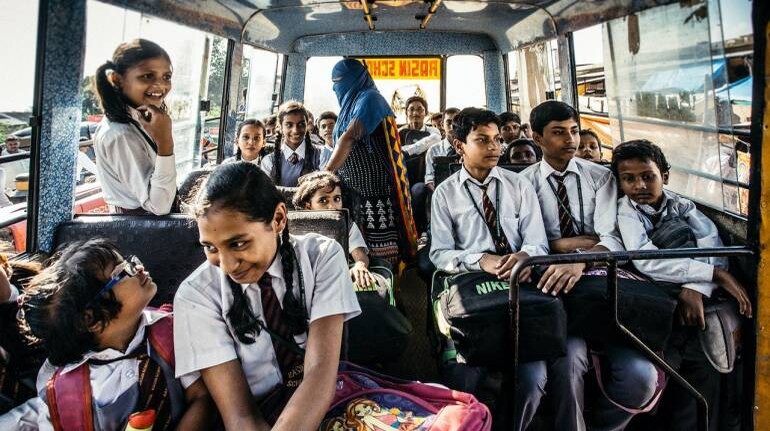
Even when schools reopen, social distancing measures will have to be followed to avert any chances of students spreading the disease further or contracting it. This would require changes in the seating arrangements, staggered classes, introducing more sections in classes, changes in timing, etc.
Elucidating this further, Ramesh Pokhriyal said: “Social distancing will have to be maintained not only during classes but also in transport facilities such as school buses. It is quite possible that classes would be able to incapacitate only 30 percent of the students they used to have before the coronavirus pandemic outbreak. These modalities are being worked out by the National Council of Educational Research and Training (NCERT).”
He added that the NCERT was trying to figure out a way to let schools operate by incorporating these changes while the UGC was exploring new systems for functioning of higher educational institutes.
The minister further said that the school administration, teachers, and staff would have to establish health and hygiene measures among other safety protocols. The school calendar and curriculum might also need to be reworked to ensure that students are not stressed due to transition from homeschooling to formal schooling after the lockdown is lifted.
Discover the latest Business News, Sensex, and Nifty updates. Obtain Personal Finance insights, tax queries, and expert opinions on Moneycontrol or download the Moneycontrol App to stay updated!
Find the best of Al News in one place, specially curated for you every weekend.
Stay on top of the latest tech trends and biggest startup news.