






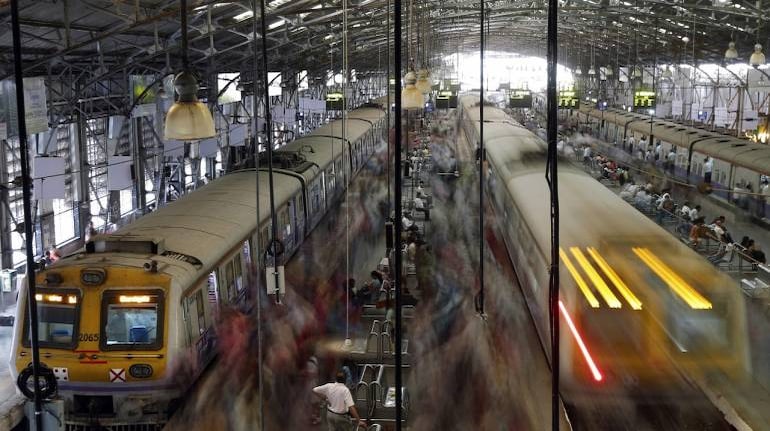
Living in urban sprawls can have a negative effect on a person’s life expectancy, according to a study done by the University of Texas.
A report by Hindustan Times stated that factors such as life expectancy, economic mobility, transportation choices and personal health and safety improve in areas that are not densely sprawling.
“People who live in poorer socioeconomic areas often have to overcome more adversities, like greater travel times just to get to work, school or the grocery store,” researcher Shima Hamidi of the University of Texas told the paper.
The impact of this can be seen on their health. According to a 2017 report published by the National Institute of Nutrition (NIN), there was a rise in cases of diabetes in India, and hypertension has become common among urban men in the country.
The University of Texas study, published in the International Journal of Environmental Research and Public Health, also points towards urban concepts such as clustering of similar industry, diversity, regional connectivity, walkability and proximity to urban amenities.
Previous studies have also pointed towards health hazards to be considered while designing urban spaces.
According to the paper, researchers at the University of Colorado (CU) Boulder discovered that children raised in rural environment have lower risk of mental illness as compared to those raised in cities.
Discover the latest Business News, Sensex, and Nifty updates. Obtain Personal Finance insights, tax queries, and expert opinions on Moneycontrol or download the Moneycontrol App to stay updated!
Find the best of Al News in one place, specially curated for you every weekend.
Stay on top of the latest tech trends and biggest startup news.