






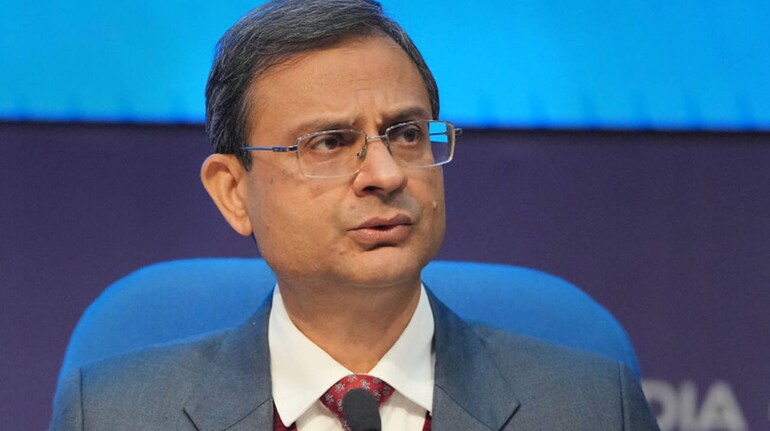
Unexpectedly, 2025 turned out to be one of the best years for the banking sector. This was despite the early months of the year showing every sign of stress, with the icing on the cake being the IndusInd Bank debacle that broke out in March. Yet, it was a comfortable ride, with the Governor of the Reserve Bank of India, Sanjay Malhotra, emerging as the winner. Whether it was the immediate handling of the IndusInd Bank mess, managing the liquidity conditions for the banking system, or ensuring the transmission of rates, the stars aligned in his favour. A tamed inflation, a stalemate-like geopolitical situation with no major escalations globally, and a 'cookie' unleashed by the government in the form of GST cuts, were the right ingredients which helped Malhotra emerge victorious in 2025. What also went in his favour were some really unusual transactions in the banking sector, such as the RBL–Emirates NBD and Yes Bank–SMBC deals. The question now is how much of 2025’s positives will carry over into 2026, particularly in rekindling credit growth.
There are three major factors to consider: INR/USD levels, systemic liquidity, and credit growth.
Unfavourable Currency
The Indian Rupee turned out to be the biggest joker in the pack. No one predicted that the swing from Rs 85 to a US Dollar to Rs 90 (intermittently flirting with the Rs 91 level) would happen in just a year. Much of the INR depreciation is being attributed to weak FPI inflows into the domestic capital market and the prolonged high tariff regime imposed by the US. While initially, a sliding Rupee was considered positive to counterbalance the tariff situation, questions are beginning to emerge regarding its impact on domestic inflation, particularly considering the effect on imports. Will there be more interventions to prevent the Rupee from further depreciation, or is the RBI comfortable letting market forces decide the currency levels? This will be closely monitored in 2026.
Liquidity Situation
The Rs 2 lakh crore surplus liquidity situation enjoyed for most of 2025 is quickly tapering, though not alarmingly so. The governor has promised that banks will have as much durable liquidity as required in the market, but not the excess we saw last year. The current cycle of rate reductions has likely seen the best of transmission. However, there is still some distance to travel. With a renewed focus on growth, while a deficit liquidity position is unlikely, this will be an important aspect that the money market will closely monitor.
Credit Growth
In early December, at a post-monetary policy press briefing, the RBI Governor mentioned that credit growth at a pace twice as fast as GDP growth could lead to asset quality mishaps. However, at the current level, it is just about surpassing GDP growth levels. If the focus is on improving domestic manufacturing and consumption, that is yet to be reflected in the credit growth numbers. From the RBI’s perspective, the rate setters have done what is required to entice borrowers; perhaps another rate cut at most to take the terminal repo rate to 5%. But rate cuts alone haven’t encouraged people to borrow more, whether in the retail or corporate segment. Inflation prints well below the lower tolerance band (+/- 4%) do not seem to be comforting the RBI either. In some sense, it signals the reluctance of people to spend—a problem that requires deeper analysis and cannot be fixed by interest rates alone. The advantage that Malhotra had for most of last year—a conducive inflation—could turn into a headache this year. In other words, if his predecessor, Shaktikanta Das, had the biggest challenge of getting the elephant (read: inflation) into the forest, Malhotra’s biggest concern could be pushing the elephant out of the forest again. Can he unleash the animal spirits required to propel credit growth?

Discover the latest Business News, Sensex, and Nifty updates. Obtain Personal Finance insights, tax queries, and expert opinions on Moneycontrol or download the Moneycontrol App to stay updated!
Find the best of Al News in one place, specially curated for you every weekend.
Stay on top of the latest tech trends and biggest startup news.




