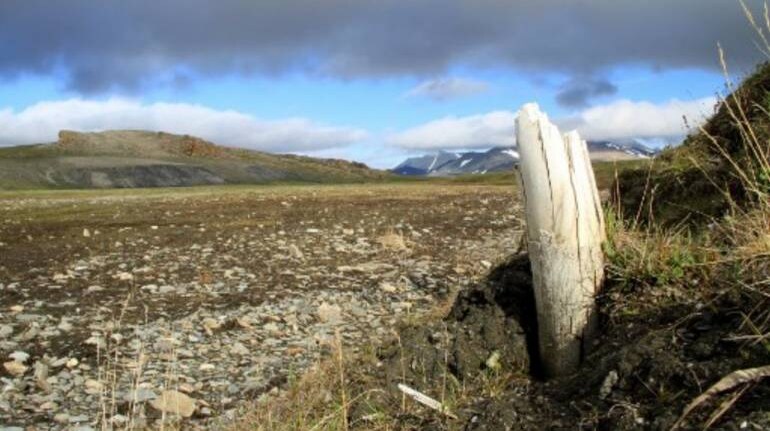
With global warming, vast tranches of permafrost are melting and releasing microbes that have been trapped in its icy grip, laying dormant for hundreds of millennia.
To study these emerging microbes, researchers have revived a number of these "zombie viruses" from Siberian permafrost, including one thought to be nearly 50,000 years old. This, scientists say, is record age for a frozen virus returning to a state capable of infecting other organisms, including humans. The virus has been named Pandoravirus yedoma.
In a report published in Science Alert, lead researcher Jean-Marie Alempic from the French National Centre for Scientific Research, said that these reanimating viruses are potentially a significant threat to public health. Further study needs to be done to assess the danger that these infectious agents could pose as they are eventually released into the atmosphere.
"One quarter of the Northern Hemisphere is underlain by permanently frozen ground, referred to as permafrost," the researchers stated in their paper.
"Due to climate warming, irreversibly thawing permafrost is releasing organic matter frozen for up to a million years, most of which decompose into carbon dioxide and methane, further enhancing the greenhouse effect."
Apart from the almost 50,000 -year-old amoeba virus found beneath a lake, nine of the thirteen mentioned in the paper are estimated to be tens of thousands of years old.
Other viruses have been located in mammoth wool and the intestines of a Siberian wolf – all buried beneath the Siberian permafrost.
Discover the latest Business News, Sensex, and Nifty updates. Obtain Personal Finance insights, tax queries, and expert opinions on Moneycontrol or download the Moneycontrol App to stay updated!
Find the best of Al News in one place, specially curated for you every weekend.
Stay on top of the latest tech trends and biggest startup news.