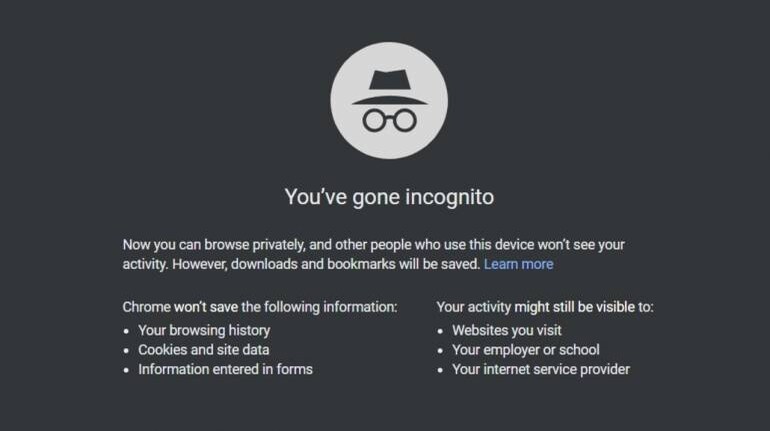
Google Chrome users often take to incognito mode when they don’t want third parties to access private browsing data. However, Chrome’s incognito mode has fallen short on its privacy promises, compromising the privacy of its users.
Certain websites check private browsing and insist users sign in before accessing content on the site, defeating the purpose of using incognito mode. Google is attempting to right the wrong with the new Chrome 76 update set to roll out on the 30th of this month.
Chrome 76 will close a "loophole" that allows sites to scan for the presence of Chrome’s Filesystem API – which is disabled in Incognito Mode – and use its absence to detect private browsing sessions. Google will also change other methods of detection in incognito mode.
A paragraph in Google's blog post read; “Today, some sites use an unintended loophole to detect when people are browsing in Incognito Mode. Chrome’s FileSystem API is disabled in Incognito Mode to avoid leaving traces of activity on someone’s device. Sites can check for the availability of the FileSystem API and, if they receive an error message, determine that a private session is occurring and give the user a different experience.”
The search giant states that maintaining privacy is the very purpose of Incognito mode. And, while users tend to use private browsing modes to dodge paywalls, some could have serious reasons for wanting to stay anonymous.
Google has also asked publishers to avoid hasty reactions to the changes coming to incognito mode in Chrome 76. However, some blowback is expected, even if the changes might appear limited, from publishers who use subscriptions to track readership and as a source of income.


Discover the latest Business News, Sensex, and Nifty updates. Obtain Personal Finance insights, tax queries, and expert opinions on Moneycontrol or download the Moneycontrol App to stay updated!
Find the best of Al News in one place, specially curated for you every weekend.
Stay on top of the latest tech trends and biggest startup news.