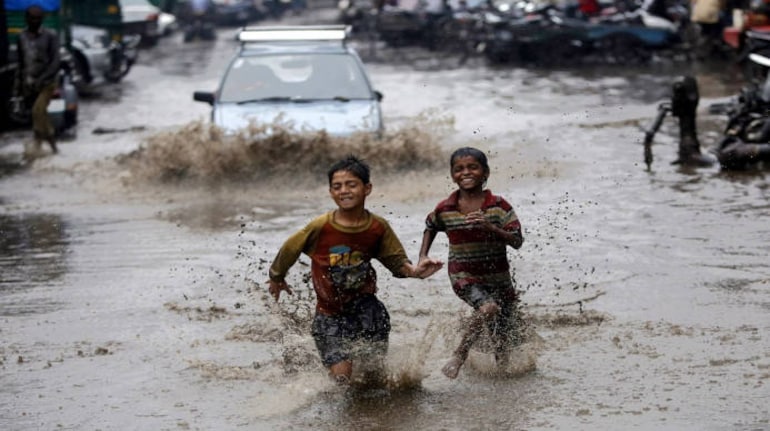
Water logging due to a cloud burst or a continuous heavy downpour has increasingly become a common occurrence especially in congested cities such as Mumbai, Bangalore, Delhi and Chennai.
A record breaking rainfall (second highest single day spell in 45 years) on the intervening night of May 1 and May 2 in Mumbai became the cause of death of two friends Irfan Khan (37) and Gulshad Sheikh (38) in Malad, a suburb of the city.
Close to midnight the two entered a flooded subway driving their 13 year Mahindra Scorpio ignoring warnings by bystanders against doing so. The SUV stalled in the middle of the subway as water gushed inside the exhaust pipe of the diesel-powered vehicle.
With the windows rolled up the two failed to get out in time even as water levels continued to rise around the vehicle by several feet. Though unconfirmed but it seems that the two struggled to open the door or the window of the car because of a possible electrical mechanism failure. The two died due to drowning inside the vehicle.
A sudden rise in water levels can pose a life-threatening challenge especially when the car is stuck in traffic. Sadly, it is common under such circumstances that people refuse to abandon their cars despite the threats.
So what steps should you take when you experience a flood-like situation sitting inside your car?
Switch off AC and roll windows downWhen water levels rise and reaches the door it is advisable to switch off the air-conditioning, roll down the electrically-operated windows slightly and most importantly disengage the central locking mechanism. Make sure the cell phone is not kept in the door pocket and stays safe from water. Water can affect the electronics that control the windows and doors and render them inactive. Occupants won’t be able to get out of the vehicle in such circumstances as doors would remain locked.
Use headrests for escapeIn desperate situations when the doors malfunction and refuse to open it is best advised to break the door glass for exit. Do not try to break the glass using your bare hands or feet (high possibility of injury) but instead use the driver headrest. Most cars have detachable headrests whose metal rods double up as life-saving equipment. Remove the headrest from the seat and insert one of the two rods between the window and the door. Make sure to insert it in the extreme right or left side of the window, because that's where it's weakest. Then pull the headrest towards yourself. This will shatter the window. Do not try to break open the front windscreen as they are generally laminated and difficult to break.
Where door windows are difficult to break or when the car is not equipped with a removable headrest it is most advisable to keep a small hammer in the glove box. Some cars such as Maruti Alto, Hyundai Eon, Hyundai i10, Hyundai Santro, Honda Brio, Maruti Celerio and Renault Kwid, for instance, come with unibody front seats where the headrests are embedded into the seat.
Drive through a flooded streetWhile it is always advisable to avoid flooded areas in cases where a U-turn is not available or the level of water is manageable it is important to keep in mind a few simple steps. Remember not to drive fast when entering the water. Stay in first gear and keep revs high. This will avoid water seeping into the tailpipe. Front wheels tend to lose control and return less feedback to the steering due to aquaplaning.
Brakes may not be as effectiveProlonged driving under water makes brakes less effective and may need double the effort to use them. It is advisable to let the braking unit dry up before using the vehicle on a freeway. It is also advisable that the distance between your car and car ahead of you is double than normal.



Discover the latest Business News, Sensex, and Nifty updates. Obtain Personal Finance insights, tax queries, and expert opinions on Moneycontrol or download the Moneycontrol App to stay updated!
Find the best of Al News in one place, specially curated for you every weekend.
Stay on top of the latest tech trends and biggest startup news.