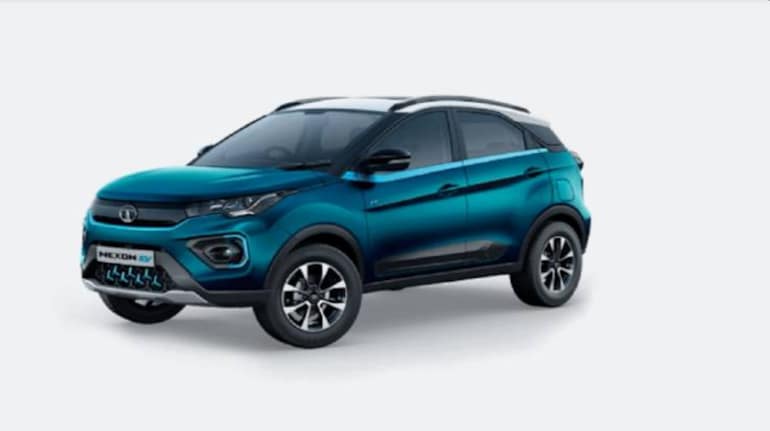
Demand for the electric version of the Tata Nexon is now on par with the diesel variant of the SUV in markets where the electric model is available, highlighting the dramatic shift in consumer choice.
The Nexon EV saw its highest quarterly sales at 1,715 units in the April-June quarter on the back of an unabated rise in prices of diesel and petrol. In Maharashtra, which the biggest passenger vehicle market in the country and in Gujarat, saw sales of the Nexon EV surpass the sales of the diesel variant.
The fully loaded diesel variant of the Nexon in Mumbai is priced at Rs 12.64 lakh (ex-showroom) while the entry variant of the EV version comes at Rs 13.99 lakh. With a Rs 1 lakh subsidy provided by the Maharashtra government on EVs in addition to full waiver of road tax and registration the on-road price of the Nexon EV is very close to the diesel variant.
PB Balaji, Chief Financial Officer, Tata Motors said, “The order book for Nexon EV in July is neck to neck to the diesel variant. The combination of FAME 2 benefits and subsidies provided by the state government is making EVs extremely attractive. The Nexon EV is not available across the country. We won’t be surprised if the penetration starts touching 5 percent very soon and that’s pretty meaningful because just 2 years ago the share was just 0.2 percent”.
Nexon EVs share in its portfolio as of today stands at 3 percent. The SUV is one of only two models in India which has three drive options – petrol, diesel and battery electric.
Maharashtra and Gujarat announced comprehensive demand incentive schemes for EVs a few weeks ago which is expected to provide a major flip to demand for electric, 2,3 and wheelers.
A Nexon EV costs less than Re 1 per kilometre to run while the diesel variant could cost around Rs 6 per kilometre, as per mileage data shared by Tata Motors for both the powertrains.
Even though share of diesel variants across all models available in India has shrunk significantly Tata Motors, for the time being does not intend to phase out the diesel variant of the Nexon in favour of the EV.
“We would want to give the consumer a choice and so the powertrains available in the market will continue there is no question of pulling them out at this point. We do see good demand for Nexon diesel as well. In that segment itself we picked up 800 basis point market share. We have a capacity lag rather than a capacity shortage because we are also unlocking capacity as we go along. It is not about factory capacity it is more about the battery pack availability,” Balaji added.



Discover the latest Business News, Sensex, and Nifty updates. Obtain Personal Finance insights, tax queries, and expert opinions on Moneycontrol or download the Moneycontrol App to stay updated!
Find the best of Al News in one place, specially curated for you every weekend.
Stay on top of the latest tech trends and biggest startup news.