-
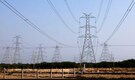
Power outages at Intel’s Bengaluru campus: Karnataka holds high-level meet to streamline supply
Intel flagged intermittent disruptions, following which officials outlined immediate, medium- and long-term measures to improve reliability.
-

OPINION | Tariff volatility exposes structural weaknesses in Karnataka’s power sector
Karnataka tariff swings reveal deeper power sector problems. Discom losses remain high and rankings fall. Stable market pricing and private participation can improve efficiency and restore financial health
-
India adds 7.2 GW thermal capacity till December, only 56% of annual target met
The government is targeting a thermal capacity of 307 GW by 2034–35. The power ministry is targeting a minimum addition of 97 GW in coal and lignite-based capacity to meet soaring demand
-
Power and renewables budget allocations in line, but little impact expected on stocks
Currently, JM Financial notes that adequate policy measures are in place to support both conventional and renewable energy sectors. 'Overall, the Budget initiatives are largely aimed at building capabilities in emerging areas such as nuclear energy, battery cell manufacturing and carbon capture technologies,' the report said.
-
Union Budget 2026 may refocus power sector reforms with discom privatisation, RDSS Phase-II and smart meters
Centre looks to deepen power distribution reforms despite early financial turnaround at discoms.
-
Thermal share in India’s power generation to fall below 70% in FY27: Crisil Ratings
India’s thermal share set to fall below 70% as demand cools, renewables surge.
-
IPO-bound MSEDCL looks to refinance half of its Rs 98,000-crore debt
MSEDCL expects cost savings to the tune of Rs 66,000 crore from a reduction in power procurement costs over the next five years, as it looks to increase the share of renewables from the current 13% to 52% in terms of total energy consumption by 2030.
-
These stocks are good to ride India’s data centre boom
While technology giants and large conglomerates dominate headlines, some of the most consistent AI-linked opportunities lie with the providers of critical infrastructure and enablers
-
How the AI boom could trigger an energy crisis
AI's explosive growth is driving an unprecedented energy crisis, with data centres projected to consume up to 20% of global electricity by 2035 as tech giants scramble for nuclear solutions.
-
Centre nudges states to monetise power transmission assets
Centre pushes states to monetise transmission assets through a proposed tax-efficient model as India readies for a massive grid expansion requiring Rs 9.1 lakh crore by 2032.
-
Centre to temporarily slow down renewable energy tenders, cancel unviable projects as generation outpaces absorption capacity
Ministry of New and Renewable Energy (MNRE) will cut the pace of renewable energy auctions in FY26-27 amid surplus supply and connectivity hurdles. However, India is still on track to achieve its 500 GW non-fossil fuel-based power generation target by 2030, MNRE Secretary Santosh Kumar Sarangi told Moneycontrol.
-
Chart of the Day | The growing case for InvITs in infrastructure financing
The relative outperformance of InvIT returns to other comparable instruments such as REITs, debt instruments or corporate bonds, is seeing retail investor appetite grow for these instruments
-
Electricity (Amendment) Bill, 2025: India’s attempt at third generation power reforms
The move is likely to see opposition from some states as they fear it would reduce their control over the power sector. The Ministry of Power, however, stated that government discoms will continue to operate alongside private licensees in a regulated, level-playing environment.
-
Centre plans next-gen power reforms for debt and loss-ridden discoms
The proposed restructuring scheme for state-owned discoms can be seen as a preparatory platform for the Indian government’s larger goal to implement the draft Electricity Amendment Bill, 2025 which seeks to introduce competition in the power distribution sector by ending the monopoly of state-owned discoms.
-
In a first, 21 mines with underground coal gasification potential up for grabs
Coal minister G. Kishan Reddy said the environment ministry has now exempted pilot underground coal gasification projects from environmental clearance, ensuring faster implementation
-
Andhra Pradesh banks on cheap renewable energy and river-linking to power data centre push: Nara Lokesh
Nara Lokesh told Moneycontrol in an interview that the state is building a dedicated renewable energy ecosystem to meet rising power and water demand from data centres, instead of imposing restrictions like some global peers.
-
OPINION | India’s clean energy future hinges on expanding open access
India’s 500 GW non-fossil energy goal depends on open access policies that enable businesses to buy renewable power directly, driving investment, reducing costs, and accelerating the clean energy transition
-
UP power regulator flags asset, loan mismatches in discom privatisation plan; warns of tariff impact
The state government had in May cleared Uttar Pradesh Power Corporation Ltd’s request for privatisation of distribution in 42 districts and passed it on UPERC for scrutiny
-
GST 2.0: Tax cuts to fuel India's clean energy sector as rates on parts slashed to 5%
The GST Council has also reduced the tax for hydrogen fuel cell vehicles from the current 12% to 5%
-
Thermal power and its vital role in India's green energy transition
Thermal power remains crucial to India's energy security despite the shift to renewables. Public and private sectors play key roles in expanding and modernising capacity, ensuring reliable power amidst growing demand
-
India expands key climate action body ahead of carbon market launch
The National Designated Authority (NDA) will help India access international climate finance and carbon markets. It is likely to also help position India better as it has proposed to host the United Nations climate summit (COP 33) in 2028.
-
Karnataka achieves milestone as green energy powers 80% of state’s supply
Karnataka sets record with 143 million units of renewable power generation on August 18, cutting dependence on thermal power
-
Chart of the Day | Interstate collection efficiency improves in power transmission assets
Improved collections are also translating into a drop in receivables, thereby improving financial outlook for power assets
-
India’s power transmission supply chain witnessing annual inflation of up to 20%: PowerGrid CMD
As a result, at least 50% cost of every transmission project is going on component procurement, said RK Tyagi, CMD of PowerGrid, a PSU with an effective executable order book of Rs 1.9 lakh crore.
-
Govt plans battery storage for thermal power plants amid renewable energy fluctuations
Operating thermal power plants at low capacity to allow higher injection of renewable energy into the grid during the day is expensive and leads to higher per unit cost of coal-fired electricity