Shuli Ren
Shanghai is China’s most important financial hub as well as the regional headquarters of global brands such as Apple Inc., Tesla Inc. and LVMH Moet Hennessy Louis Vuitton SE. Until recently, it also executed China’s ‘dynamic clearing’ COVID-19 policy better than the country’s other municipalities.
With a staff of over 3,000 conducting contact tracing in the city of 25 million, Shanghai never had to undergo mass testing or district lockdowns. For two years, life was pretty much normal.
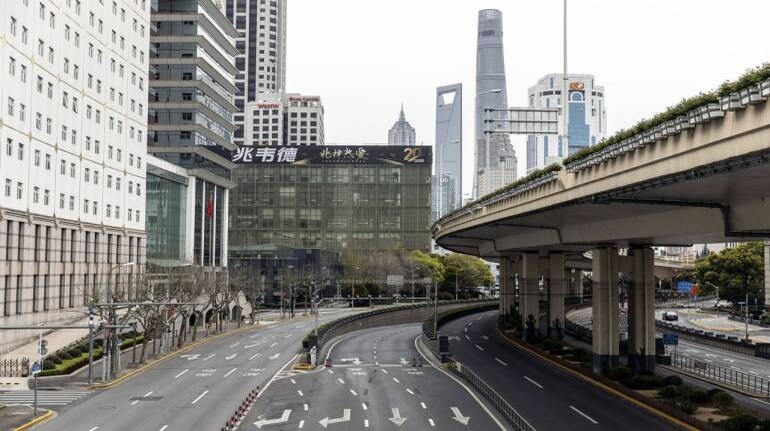
It is thus a shock when Shanghai announced a lockdown to conduct mass testing over eight days. This is a sharp U-turn from an official stance that had ruled out such drastic measures.
Also Read | Shanghai residents told to stay inside as lockdown tightened
What went wrong?
Call it a winner’s curse. The capital city of Beijing is known for imposing draconian 21-day quarantines on whole districts to deal with outbreaks, but Shanghai took a more gentle and targeted approach.
In January, when the first local Omicron cases were detected, only a single bubble tea shop was classified as ‘medium risk’, thereby avoiding lockdowns of entire city blocks.
Early March, when cases started to rise, Shanghai still deployed a ‘2+12 days’ model, locking down residential buildings with close contacts for mass testing for two days and letting its residents roam about as soon as PCR results all came out negative. (They have to stay indoors for 12 days if there are confirmed infections in the building.)
Also Read | India logs 1,259 COVID-19 cases and 35 deaths in a day
Shanghai’s mass testing relied on dutiful, conscientious citizens. Medical staff did not go knocking door-to-door; rather, testing booths were set up in gated communities or on the streets. It is likely the number of people who did not bother to get tested was significant.
On March 24, the government posted a notice saying that those who did not comply by March 25 would see their health code flip into yellow, which would restrict their ability to go shopping or even take public transportation. The number of cases skyrocketed after.
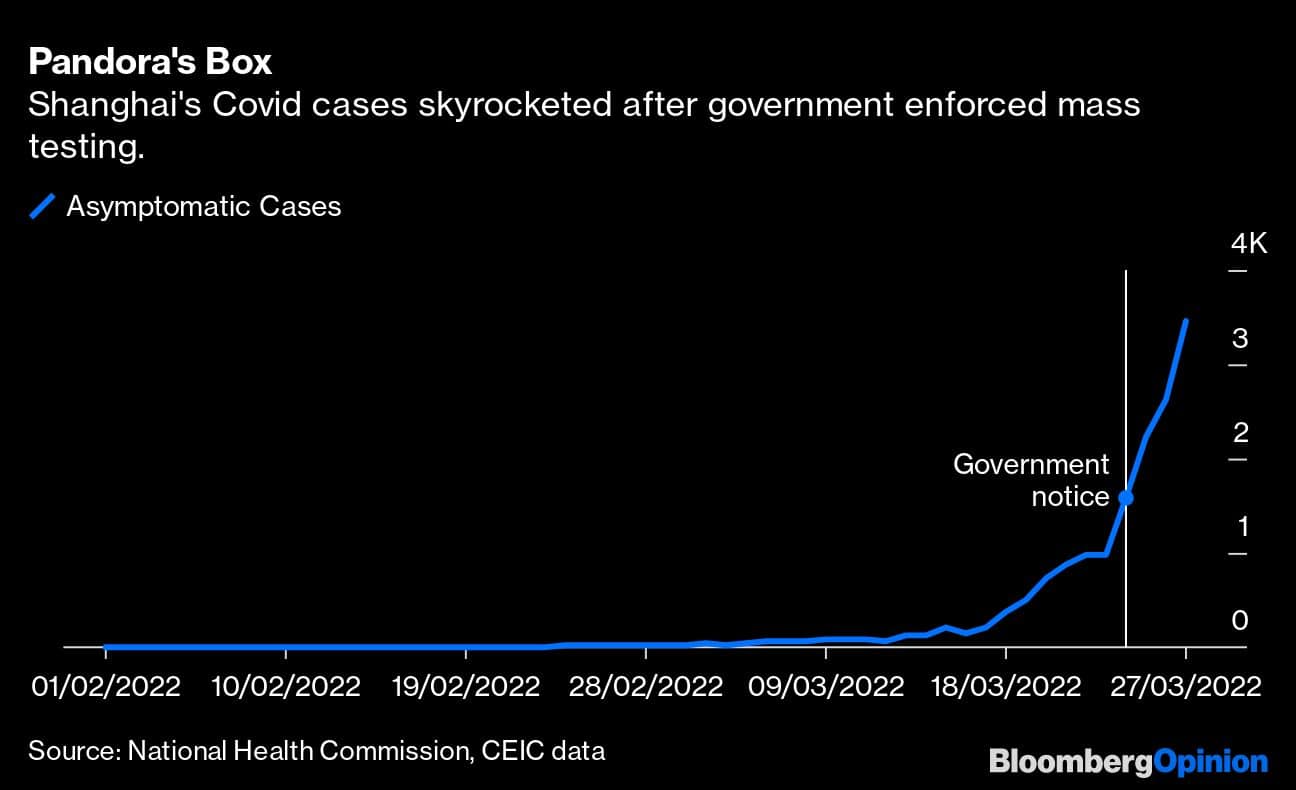 Pandora's Box
There’s always a bit of rivalry between Shanghai and Shenzhen. This time, the tech hub seems to be doing better than the financial centre: It just came out of a one-week lockdown relatively unscathed.
Shenzhen was not as laissez-faire. By early March, city employees there were already sifting through apartments owned by the so-called urban villagers, looking underneath beds and inside closets, to make sure everyone got tested. Flats like these often serve as unofficial residences for migrant workers from other parts of the country.
Also Read | Shanghai tightens COVID lockdown on second day of curbs
China’s strict COVID-19 policy might still work if cities go into lockdowns early, which enables them to come out faster too. Shenzhen, a city of 17 million, came to a stand-still when just 66 cases were found. By the time Shanghai made the same move, it already had 3,500 daily cases. It may not be able to bounce back as fast as Shenzhen.
In recent weeks, China has tweaked its COVID-19 strategy to reduce economic disruption. But as long as the central government sticks to COVID-19-zero, even the most nimble, science-driven municipalities won’t be able to avoid the highly-infectious omicron variants. Shanghai was too gentle to remain COVID-19-zero.
Shuli Ren is a Bloomberg Opinion columnist covering Asian markets. Views are personal, and do not represent the stand of this publication.
Find more world, health and coronavirus related stories here
Discover the latest Business News, Sensex, and Nifty updates. Obtain Personal Finance insights, tax queries, and expert opinions on Moneycontrol or download the Moneycontrol App to stay updated!
Find the best of Al News in one place, specially curated for you every weekend.
Stay on top of the latest tech trends and biggest startup news.