A: The big drop was in inflation in the ‘fuel & light’ category, which fell to 4.54 percent in December from 7.24 percent in November 2018.
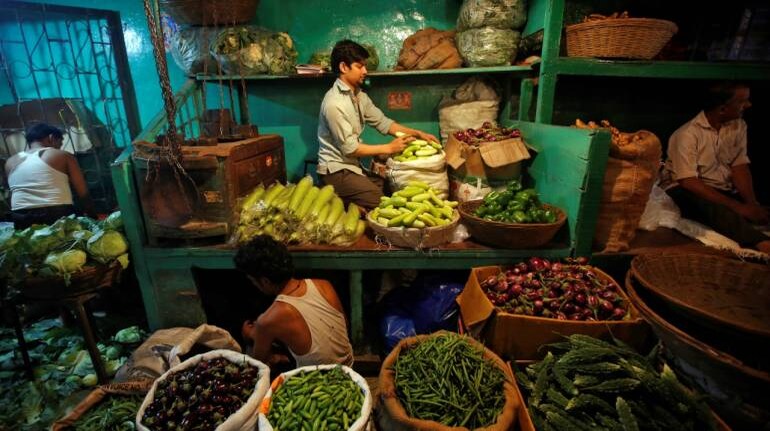
Q: Does deflation continue in food prices, signalling ongoing rural distress?A: Yes, food inflation was a negative 2.5 percent in December, slightly better than a negative 2.6 percent in November. Most of the fall, however, was in vegetable prices. Cereal prices were marginally positive from a year ago. Prices of pulses were down 7.1 percent from a year ago, while sugar prices were lower by 9.2 percent. The government’s big announcement of higher minimum support prices has turned out to be a damp squib.
Q: Does core inflation continue to be high?A: The Purchasing Managers’ Survey for December had indicated little change in output prices, giving rise to the hope that core inflation would moderate. But the core CPI numbers don’t bear that out -- core inflation is more or less the same as in the previous month.
Q: Is this the low in headline inflation?A: That is very likely, simply because the positive base effect was maximum in December. From January till March the base effect will start to be negative.
Q: Will the Reserve Bank of India cut rates on the basis of this retail inflation number?A: That is unlikely. To be sure, retail inflation is now well below the RBI’s four percent target. But the central bank will look through the base effects. It will also consider that core inflation remains high and it has said that the output gap has all but disappeared. The media is full of reports of the government planning plenty of freebies before the elections, which will have an adverse effect on the fiscal deficit, especially as Goods & Service Tax (GST) collections are way below target. Crude oil prices are volatile and need to be watched carefully. The rupee too has been weakening again. Under these circumstances, the Reserve Bank of India will probably shift its stance back to neutral and wait and watch.
Q: Does it not make political sense for the RBI to cut interest rates?A: It doesn’t. Monetary policy operates with long lags and a 25 basis point rate cut at the RBI’s meeting on February 7 is unlikely to cut much ice before the elections. The government knows this, which is why it is concentrating on schemes that will give more bang for the buck, such as making banks give more loans to small businesses.
RBI has been infusing liquidity through open market operations. But the main beneficiary has been the government, with yields in government securities falling the most. In contrast, yields of even the best rated corporate securities haven’t fallen so much. Banks’ lending rates based on the marginal cost of funds hasn’t fallen. In this scenario, RBI would do well to ensure adequate liquidity, rather than cut rates.

Discover the latest Business News, Sensex, and Nifty updates. Obtain Personal Finance insights, tax queries, and expert opinions on Moneycontrol or download the Moneycontrol App to stay updated!
Find the best of Al News in one place, specially curated for you every weekend.
Stay on top of the latest tech trends and biggest startup news.