

co-presented by
ASSOCIATE SPONSORS
co-presented by


ASSOCIATE SPONSORS







Anand Dalmia
The reporting media is full of talks on ‘Fed rates & hikes’. What does this even mean?
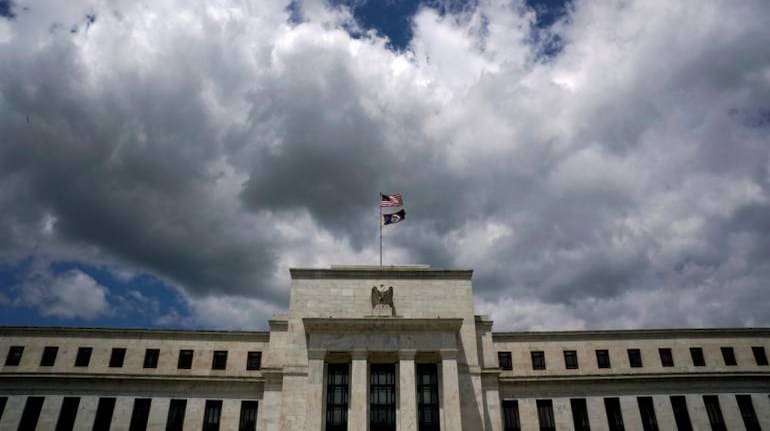
The Federal Reserve, often referred to as “The Fed”, is the central bank of USA – just like RBI is to India. The Fed lends money to smaller commercial banks for them to carry out their banking operations (think lending). The Fed decides the rate at which they would lend to banks and this rat would be the bedrock rate for all rate structures that a commercial bank would offer its customers.
The Fed decides the rate basis many factors for several objectives. For instance, a hike in the rate could also be to make borrowing expensive and indirectly control expenditure and inflation.
Current happenings around the ‘Fed rate hike’ talks
In its meeting this month, the US Federal Reserve left interest rates unchanged along with a signal that it may consider a hike by December 2017. After the meeting, the projections suggested that 11 out of the 16-member committee believed that the most apt federal funds rate lies between the 1.25-1.5 percent, which is a quarter percentage-point higher than now.
With low unemployment rates in one hand and a worry-worthy drop in inflation, the US fed seems to be walking on a tight rope and performing an interesting balancing act. The fed believed though the recent natural calamities might have taken a massive toll on the current economic activities, however no material impact is expected over the medium term.
Shifting focus to India
For a long time now, India has been a preferred destination for capital deployment among other emerging market participants. This has been evident through the liquidity-driven rally in the equity market over the past 12 months of which global funds have been one among the many drivers. Global inflow of funds across avenues is one among the many reasons for the INR appreciation that has happened in the recent past.
A hike in the US fed rate may have adverse effects on the Indian economy and people
Dollar inflows in the capital market may reduce, sufficiently enough to hurt the market sentiments
Recent uncertainties in the US have been a boon to the Indian capital market. With investors jittery about the stability and predictability about the US markets and a parallel strengthening of India’s geopolitical and macroeconomic indicators made the Indian equities a preferable investment destination.
An increase in fed rate would mean a higher return on deposits for investors. It is quite likely that an investor would want to invest in relatively safer deposits, especially during a time like now where global geopolitical tensions are rising. This would inadvertently mean an outflow from the emerging markets back into the US.
Downward pressure on Rupee valuations
Further extrapolating the effect of dollar outflow, exit of dollar funds from the Indian market would further depreciate the value of INR. Depreciation of the INR means that more INR would have to be spent to buy something worth a USD. This essentially means that your foreign vacations will cost you more and buying those imported luxury items won’t come cheap. However, it’s not just the crème de la crème that will be affected, the effect will also trickle down to the common man.
India, being a large importer- especially for oil needs, can face a lot of payment pressure and end with an increase in oil prices. An increase in oil price simply translates into a hike in inflation levels. Cost of living can be expected to go higher for the common Indian.
Your debt is not going to get cheaper any time soon
The inflation differential between the US and India won’t allow for a case where India’s interest rate goes lower. This indicates that there may be hardly any further headroom for a further rate-cut by RBI. In such a case, it is quite unlikely that you’ll have a chance to avail loans at a lower interest cost – at least not in the near future.
Author is Co-Founder, FisdomDisclaimer: The views and investment tips expressed by investment experts on Moneycontrol are their own and not that of the website or its management. Moneycontrol advises users to check with certified experts before taking any investment decisions.Discover the latest Business News, Sensex, and Nifty updates. Obtain Personal Finance insights, tax queries, and expert opinions on Moneycontrol or download the Moneycontrol App to stay updated!
Find the best of Al News in one place, specially curated for you every weekend.
Stay on top of the latest tech trends and biggest startup news.