India’s sugar sector stable with positive outlook for 2025
The Indian Sugar and Bio-energy Manufacturers Association confirms stable sugar supply for 2024–25, driven by consistent production, timely farmer payments, and controlled exports. A favourable monsoon and improved cane varieties support a strong outlook for 2025–26

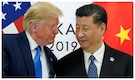
Why China’s calm response to Trump’s tariffs worked — and what comes next
Markets cheered the lowering of tariffs in the US-China trade war. But the underlying uncertainty remains
Delivery Diaries: How quick commerce is transforming dairy access and beverage consumption trends
Swiggy’s latest campaign showcases how quick commerce boosts access to diverse dairy products. It highlights consumer trends in health beverages, packaging innovation, and the evolving role of delivery platforms in shaping food culture
Navigating volatility with a multi-asset investment strategy
In 2025's volatile market, a multi-asset investment strategy can help reduce risk through diversification, balancing losses in equities with gains in assets like gold and bonds
How to sharpen the focus of climate cash
The draft climate finance taxonomy is the first concrete step by India to clear confusion about green projects
Is the rally over in gold?
Central banks have been big buyers of gold and have skin in the game now
China-US trade war may have paused, but geopolitical rivalry hasn’t
Despite a 90-day tariff truce, the broader US-China trade conflict remains unresolved, with global trade splintering and strategic tensions on the rise
What’s Fuelling the Market Rally? Ceasefire, Global Deals, and FII Hopes
Given the relative valuations of Chinese markets and their long-term underperformance, a tactical momentum in Chinese inflows is to be expected and that could be at the cost of India
Modi’s Op Sindoor Address: National interest, geostrategic calculus, and the art of communication
PM’s address to the nation conveyed a multifaceted message, targeting Pakistan, the international community, and the Indian public.
PM Modi signals ‘new normal’ for the full spectrum of relationship with Pakistan
Last week’s display of aerial superiority by Indian military has catalyzed a reset in the full spectrum of ties with Pakistan. Be it trade or even sharing of Indus waters, Pakistan’s approach to using terror as a part of its strategic tool kit will be the reference point. It signals a long period of dormancy in bilateral ties. However, a reset of approach from Pakistan is unlikely
Virat Kohli was the last great test superstar of India’s golden era
The cricketer who wore his passion on his sleeve spearheaded India’s most successful phase when even the mighty Australians were brought down in their backyard. Kohli was the best advertisement for the long format which is the emotional core of the sport
The High Cost of Living on the Edge: Another terror flashpoint, same economic toll
We are living in what economists might call a permanent low-grade war economy. It does not show up in the form of large-scale mobilisations or daily missile exchanges. But it is deeply present. India is not at war. But it is never fully at peace. This in-between state demands readiness without relief, expenditure without the decisive resolution of conflict
Budget games, taxes and Treasuries
And greedflation revisited
US tariff policy accelerates deeper structural changes
Unusual swings in markets and consensus economic narratives point to longer-term forces
Chart of the Day: Investors have again fallen into timing the market trap
Equity inflows dropped in April. But the real problem is that retail investors still believe they can outsmart the market
UK-India FTA | Opportune time for cotton textiles to weave better fortunes
India’s overall textile exports, particularly cotton textiles, had stagnated over the last decade due to tariff disadvantage and rising procurement price of yarn
War, insurance, and the limits of protection amid India-Pakistan tensions
Standard insurance policies in India exclude war-related losses, covering only specified risks like terrorism. Courts uphold these exclusions, leaving peace and diplomacy as the only true safeguards in conflict zones
UK FTA can help Indian IT manage costs better, but no immediate earnings boost
The free trade agreement (FTA) does not propose changes to visas or immigration policies
A new chapter awaits Yes Bank, post Japanese investors' entry
A new management would be a good catalyst for Yes Bank’s valuation, feel analysts
The making of India’s drone military-industrial complex
Operation Sindoor and its aftermath heralded the age of drone warfare in the Indian subcontinent. India’s drone manufacturing ecosystem proved its mettle last week. Populated by both startups and old industrial houses, the drone ecosystem now needs to add scale and quicken the pace of technological absorption. The government can help by compressing timelines in drone procurement
Beyond the Trade War: How China wants to usher in a new global world order
US-China negotiations in Geneva end on hopes of a breakthrough. But the real story goes beyond tariffs — it’s about China’s grand ambition to lead the next global order
10 lessons from the 4-day conflict with China-backed Pakistan
The government will certainly conduct an in-depth assessment of the military and diplomatic experience during the conflict. A close examination is required to strengthen our fighting capabilities and enhance our diplomatic skills because the problem with Pakistan is far from over
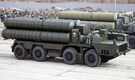
India’s aerial shield has held up well, but will need upgrades to combat China’s stealth aircraft
India’s multi-layered air defence system has successfully repulsed scores Pakistani aerial attacks over three successive nights. By acquiring advanced systems and simultaneously producing at scale domestically, India has steadily built air defences that can absorb and inflict punishing attrition over prolonged combat. It has also focused on protecting key targets. For instance, India has ambitions of covering Delhi and Mumbai with a limited ballistic missile defence (BMD) shield that can intercept accidental or rogue launches of some nuclear-capable ballistic missiles
Raising the cost for Pakistan: Lessons from the past
Lt. Gen. R.K. Nanavatty’s military leadership, detailed in Shooting Straight, highlights India's strategic responses to Pakistan-backed terrorism, including plans like Operation Kabaddi, while exposing political indecision during key moments like Operation Parakram
India’s role in helping Red Army withstand the Siege of Stalingrad
India has been slowly coming around to recognizing the contribution of Indians to the Allied victory in WWII - which has largely been viewed as part of the colonial legacy. As India implements Operation Sindoor this Victory Day, it becomes important to preserve the memory of the myriad contributions and sacrifices made by these brave men