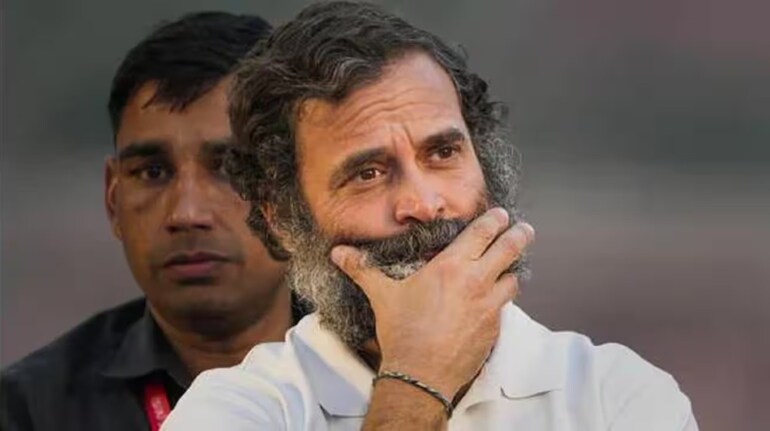
The Allahabad High Court has instructed the central government to take a decision by December 19 on a petition against Congress leader Rahul Gandhi. The petition claims that Gandhi hid his British citizenship while contesting the parliamentary election from Raebareli earlier this year.
The petition also asks the CBI to investigate the matter, arguing that Gandhi’s alleged dual citizenship violates Indian laws, including the Bharatiya Nyaya Sanhita and the Passport Act.
What does the PIL say?Karnataka BJP worker S. Vignesh Shishir, who filed the petition, claims to have documents and emails from the British government proving that Gandhi holds British citizenship. This, according to Shishir, makes Gandhi ineligible to run for office in India or be a member of the Lok Sabha.
Shishir stated that he had already submitted two representations to the Home Ministry about Gandhi’s dual citizenship but received no response. As a result, he took the matter to court.
This petition was filed after the dismissal of an earlier plea, where the court had asked Shishir to approach the competent authority under Section 9(2) of the Citizenship Act, 1955, as allowed by law.
Do Not Miss | Rahul Gandhi citizenship PIL: Centre tells Allahabad HC it needs more time to act
How the controversy sparked off?This petition follows an earlier case heard by the Delhi High Court concerning Gandhi's citizenship. BJP leader Subramanian Swamy filed a plea in 2019, claiming Gandhi could not hold both British and Indian citizenship. The Home Ministry issued a notice to Gandhi based on Swamy's complaint, but Swamy later accused the Ministry of inaction and approached the Delhi High Court for updates.
‘Parallel proceedings’On November 6, Vignesh Shishir raised concerns in the Delhi High Court that the case involving Swamy and his citizenship plea could lead to “parallel proceedings” in multiple courts.
Also Read | 'Under consideration': Home Ministry on HC's direction to determine Rahul Gandhi's alleged dual citizenship
A bench of Chief Justice Manmohan and Justice Tushar Rao Gedela expressed its concern that adjudicating the matter may lead to “two parallel proceedings” over the same issues. The bench stated that the prayers in the Allahabad petition were broad and encompassed similar issues.
However, Swamy argued that his case focused only on proving Gandhi’s British citizenship, while Shishir’s petition sought criminal action against Gandhi.
Swamy argued in court, “Don’t be parasitical and say the prayers are similar and hang on to us. It is clear he cannot be a citizen of two countries; we have proved it through the documents where he claims to be a citizen of Britain as well as of India.”
The Delhi High Court expressed reluctance to entertain two parallel cases on the same issue and asked Shishir to submit an affidavit to clarify any overlap.
Does India allow dual citizenship?India does not permit dual citizenship. An Indian citizen cannot hold citizenship in another country. While the Overseas Citizenship of India (OCI) program allows certain privileges, those holding an OCI card cannot vote, run for elections, or hold constitutional posts like the President, Vice-President, or judges of the Supreme Court or High Courts.
Discover the latest Business News, Sensex, and Nifty updates. Obtain Personal Finance insights, tax queries, and expert opinions on Moneycontrol or download the Moneycontrol App to stay updated!
Find the best of Al News in one place, specially curated for you every weekend.
Stay on top of the latest tech trends and biggest startup news.