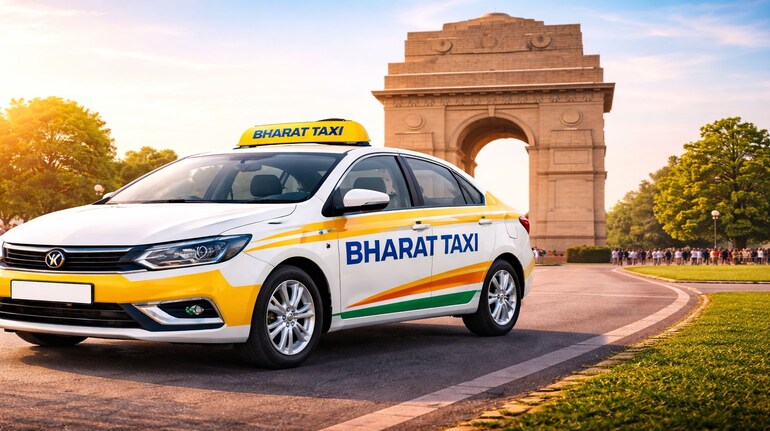

India’s ride-hailing market is set for a shake-up on February 5 with the official launch of Bharat Taxi, a government-backed cab aggregation platform built on a cooperative ownership model that promises zero commission for drivers and lower fares for passengers.
Union Minister of Cooperation Amit Shah will launch the app in New Delhi. In a post on X, Shah described Bharat Taxi as the country’s first taxi service in the cooperative sector, positioning it as a driver-owned alternative to private aggregators.
A cooperative pitch in a crowded market
Bharat Taxi is structured as a cooperative rather than a conventional private platform. According to the Ministry of Cooperation, the model places drivers at the centre of ownership, operations and value creation—an explicit attempt to address long-standing grievances over high commissions charged by private cab aggregators.
While the initiative has government backing, it is not directly run by the Union government. The platform is operated by Sahakar Taxi Cooperative Limited, a cooperative entity promoted by professionals who have previously worked with Amul, India’s most prominent cooperative brand.
How Bharat Taxi works
Under the cooperative structure, every driver, referred to as a ‘Sarathi’, holds five shares in the cooperative. Unlike Ola or Uber, Bharat Taxi will not deduct a percentage-based commission from each ride.
Instead, drivers pay a fixed daily access fee of Rs 30 to use the app. The absence of per-ride commissions is intended to increase drivers’ take-home earnings and give them a direct stake in the platform’s success.
What it means for passengers
For riders, industry watchers estimate fares could be up to 30 percent lower than those offered by private aggregators. The zero-commission structure allows savings to be passed directly to passengers, potentially intensifying price competition in urban cab markets.
Stakes for India’s cab ecosystem
The launch comes at a time when relations between drivers and private platforms remain strained over commissions, incentives and working conditions. If Bharat Taxi scales successfully, it could force existing players to revisit their pricing and commission structures.
Whether the cooperative model can compete with the deep pockets, technology and network effects of established aggregators will be closely watched. For now, Bharat Taxi’s debut marks a rare attempt to reimagine ride-hailing economics in India—by turning drivers from contractors into owners.
Discover the latest Business News, Sensex, and Nifty updates. Obtain Personal Finance insights, tax queries, and expert opinions on Moneycontrol or download the Moneycontrol App to stay updated!
Find the best of Al News in one place, specially curated for you every weekend.
Stay on top of the latest tech trends and biggest startup news.