Moneycontrol PRO
HomeNewsBusinessRetail digital payments rose to 20% of GDP in FY20, grew 70% YoY: Report

Retail digital payments rose to 20% of GDP in FY20, grew 70% YoY: Report

The growth in digital payments in India is being led by UPI and card payments, with lenders like HDFC Bank leading from the front.

June 19, 2020 / 16:31 IST
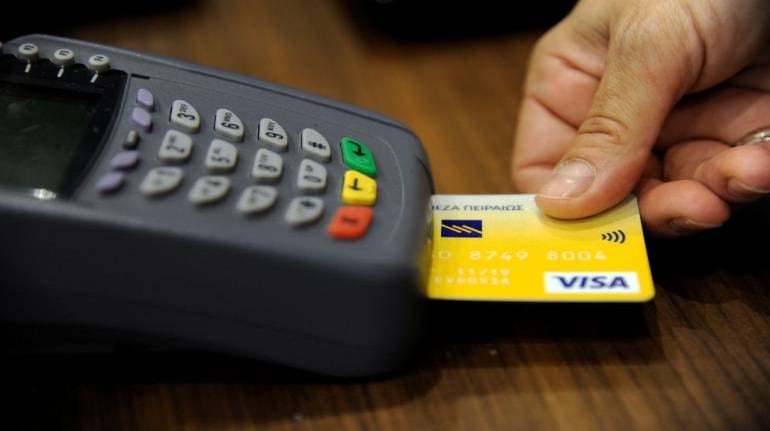
Use finance options to your advantage | Learn how to use credit and debt. Picking up a property mortgage that you can definitely pay off and then earn more out of whether from rental or sale is one such bet. They key is to know your limits and plan accordingly. For credit cards, pay the balance and earn cash backs or points – whatever bank’s terms are. These can then be used for other purchases. (Image Source: Reuters)
     
     
    26 Aug, 2025 12:21
    Volume
    Todays L/H
    More

    Even as digital payments took a dip during the period of virtual standstill amid the COVID-19-led lockdown, retail digital payments for the fiscal year 2019-20 saw 70 percent year-on-year growth touching $520 billion. The share of such payments amounts to nearly 20 percent of the gross domestic product (GDP), as against 5 percent of GDP three years ago, as per a report by Morgan Stanley.

    The report noted that this exponential growth in digital payment trends is led by unified payments interface (UPI) coupled with continued strong traction in card payments. The share of UPI in overall retail digital payments stands at around 55 percent, with the report pointing out that a further spike in its usage is expected once a WhatsApp universal version is launched.

    Source: Morgan Stanley Report Source: Morgan Stanley Report

    "The rising share of digital payments is also reflected in lower ATM withdrawals/Cheque Usage. ATM withdrawals grew 4% in F20 (~ 13% CAGR over past three years) and amounts to 17% of GDP," the report said.

    Also Read | As India unlocks, startups push for contactless ticketing in city buses

    COVID-19 Vaccine

    Frequently Asked Questions

    View more
    How does a vaccine work?

    A vaccine works by mimicking a natural infection. A vaccine not only induces immune response to protect people from any future COVID-19 infection, but also helps quickly build herd immunity to put an end to the pandemic. Herd immunity occurs when a sufficient percentage of a population becomes immune to a disease, making the spread of disease from person to person unlikely. The good news is that SARS-CoV-2 virus has been fairly stable, which increases the viability of a vaccine.

    How many types of vaccines are there?

    There are broadly four types of vaccine — one, a vaccine based on the whole virus (this could be either inactivated, or an attenuated [weakened] virus vaccine); two, a non-replicating viral vector vaccine that uses a benign virus as vector that carries the antigen of SARS-CoV; three, nucleic-acid vaccines that have genetic material like DNA and RNA of antigens like spike protein given to a person, helping human cells decode genetic material and produce the vaccine; and four, protein subunit vaccine wherein the recombinant proteins of SARS-COV-2 along with an adjuvant (booster) is given as a vaccine.

    What does it take to develop a vaccine of this kind?

    Vaccine development is a long, complex process. Unlike drugs that are given to people with a diseased, vaccines are given to healthy people and also vulnerable sections such as children, pregnant women and the elderly. So rigorous tests are compulsory. History says that the fastest time it took to develop a vaccine is five years, but it usually takes double or sometimes triple that time.

    View more
    Show

    Even as traditional retail payment modes like credit and debit cards are losing their share in the overall picture, their year-on-year growth continues to be strong. Meanwhile the new-age digital payment options--mobile wallets, RuPay cards, etc-- are also gaining traction, according to the report.

    Large lenders in India like HDFC Bank, ICICI Bank and even SBI have taken the lead in different modes. While HDFC Bank has shown strong market share gains with respect to digital transactions like National Electronic Funds Transfer (NEFT), SBI has posted strong gains with respect to mobile banking transactions. HDFC Bank has also shown higher and improving spends per debit card in the last fiscal.

    However, after a temporary moderation in digital payment trends in April this year, there has been a recovery with the reducing impact of the nationwide lockdown in light of the COVID-19 pandemic. For instance, the report noted that UPI payments, after having declined 7 percent month-on-month in March and 27 percent in April, registered a strong rebound of 44 percent in May this year.

    Also Read | Coronavirus pandemic: Digital payments fall up to 68% in April

    Moneycontrol News
    first published: Jun 19, 2020 04:26 pm

    Discover the latest Business News, Sensex, and Nifty updates. Obtain Personal Finance insights, tax queries, and expert opinions on Moneycontrol or download the Moneycontrol App to stay updated!

    Subscribe to Tech Newsletters

    • On Saturdays

      Find the best of Al News in one place, specially curated for you every weekend.

    • Daily-Weekdays

      Stay on top of the latest tech trends and biggest startup news.

    Advisory Alert: It has come to our attention that certain individuals are representing themselves as affiliates of Moneycontrol and soliciting funds on the false promise of assured returns on their investments. We wish to reiterate that Moneycontrol does not solicit funds from investors and neither does it promise any assured returns. In case you are approached by anyone making such claims, please write to us at grievanceofficer@nw18.com or call on 02268882347