




The central bank's decision to inject rupee liquidity by swapping dollars at a market-determined premium is being hailed as an "unconventional" move that could highly benefit corporate borrowers, if successful.
On March 13, the Reserve Bank of India (RBI) introduced a new liquidity management tool to the markets in the form of a dollar-rupee swap. There would be an auction on March 26 wherein RBI will buy dollars from market participants and inject rupee liquidity amounting to Rs 35,000 crore into the Indian banking system. The tenure of the swap has been fixed at three years.
RBI said once the auction window is closed, all the bids would be arranged in descending order of the swap premium quoted and the cut-off will be arrived at the premium corresponding to the notified dollar amount of the auction, which is $5 billion in this case. Successful bidders would be those who have placed their bids at or above the cut-off premium.
While a similar move was undertaken in 2013, the difference is that it was a concessional window. No such incentives were offered this time probably because the central bank is expecting dollar inflows via offshore corporate borrowing. And the move fixes the issue of higher costs of borrowing abroad.
“If one borrowed money via forex route in rupees, it was costing 80-90 basis points higher as compared to the domestic money market, before the window was announced. It was dis-incentivizing corporates to borrow from the offshore market because the hedging cost was too high," said Ashish Vaidya, head of markets for India at DBS Bank. "Now, the domestic money markets and the forex markets will tend to be more or less in sync with each other which would create more stable market conditions.”
However, to be sure, the central bank met with a select set of bankers on March 18 to assess the appetite for the auction. It has also invited another batch for discussions on March 20.
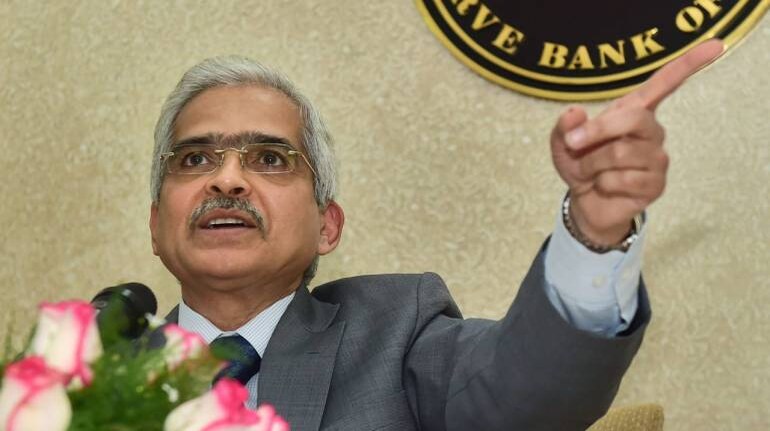
"By and large, it has been received quite well," RBI Governor Shaktikanta Das said while commenting on the feedback from bankers. He was speaking on the sidelines of an event in Mumbai on March 19.
By creating the demand for the dollar, the RBI has already ensured that gains in rupee due to inflows and a weaker dollar are capped, limiting any sharp movements. Bond yields have also cooled down, making it cheaper for the government to borrow from the markets.
"Bond yields have eased and by April, with expectations of another repo rate cut, they will go down even further. Also, the rupee is expected to be steady or get even stronger as the US Fed is not likely to hike rates any time soon," said a treasury head at another foreign bank. The official added that unless there is a set pipeline of overseas borrowing, the swap window will not be as lucrative to a lender under current market conditions.
On March 18, the rupee ended at a seven-and-a-half month high of 68.53 against the dollar while the government bond yields fell to over one-month lows. The rupee ended at 68.97 against the dollar and the benchmark government bond yield closed at 7.54 percent on March 19.
Going ahead, the central bank is expected to inject more liquidity to help banks tide over the year-end crunch and higher demand for cash ahead of the elections.
Bank of America Merrill Lynch expects the RBI to commit a monthly injection of Rs 15,000-20,000 crore in the June quarter via open market bond purchases and/or forex intervention at end-March or on April 4. "Liquidity injected in the 'slack' April-September industrial season will avoid a 2018-type credit crunch in the 'busy' October-March season. It takes about 6 months for Re 1 of RBI liquidity to "multiply" into Rs 5.1 of credit. Second, this, along with RBI rate cuts, will contain yields, to create room for lending rate cuts," said Indranil Sen Gupta, Economist at Bank of America Merrill Lynch.
"Any attempt by the central bank to increase money supply should be watched closely. A round of rate cut (with another expected in April) and RBI’s $5 billion dollar-rupee swap has already triggered the process," said Sahil Kapoor, Ashutosh Gehlot and Ankita Pathak from Edelweiss in a note.
Discover the latest Business News, Sensex, and Nifty updates. Obtain Personal Finance insights, tax queries, and expert opinions on Moneycontrol or download the Moneycontrol App to stay updated!
Find the best of Al News in one place, specially curated for you every weekend.
Stay on top of the latest tech trends and biggest startup news.