




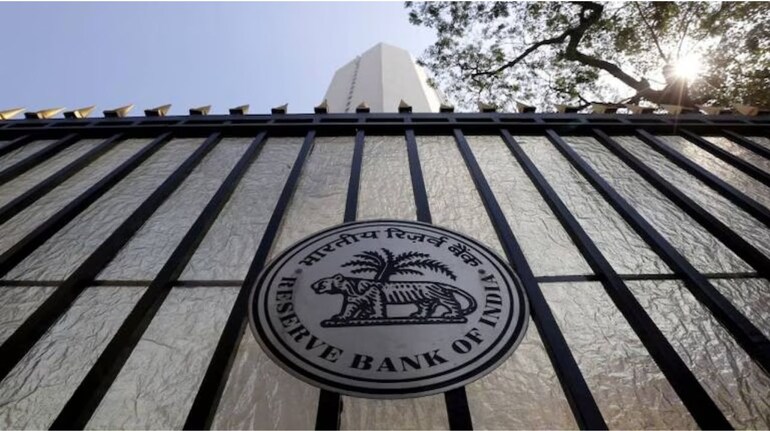
The Reserve Bank of India went on a pause on the rate front since FY24, leaving room for the policy space to focus on inflation, provided by strong growth conditions.
But the second quarter GDP print of 5.4 percent has snatched away a lot of comfort from the growth front. The worrying part of the print was that a dip in government expenditure can’t be blamed for the slowdown. Central government expenditures both capital and revenue picked up in Q2. State government capital expenditure continued to decline in Q2FY25 but at a more moderate pace. The slowdown was led by weakness in corporate earnings with non-financial listed companies recording a decline in profits for the second straight quarter.
The pace of slowdown worsened in Q2FY25 with sluggish sales and hike in input costs. Slower growth in sales reflects weakness in urban consumption which is likely to persist urban wage growth, too, decelerated. Urban wage growth is a function of moderation in corporate profitability which has taken a hit.
Consumption is expected to get support from rural demand in the second half of the fiscal after the harvest season. The weakness in urban demand is, however, likely to persist. This is reflected in the electronic payments data which showed moderate improvement in October-November, despite the festival season. External demand outlook stayed subdued this year with muted rise in merchandise exports. The outlook for the next year is complicated with potential for tariff wars resurfacing under the new US government. Under such conditions, private corporate capex will remain tentative with no clear visibility of consumption demand outlook. Full year FY25 GDP growth is likely to be 6.3 percent, significantly undershooting the RBI estimate of 7.2 percent.
Given the reduced comfort on growth, the chances for the policy space to remain on pause has reduced. After the Q2FY25 GDP growth number, it would be prudent to initiate the rate cut cycle from December. However, most experts believe that the pause will continue in December because of two factors – elevated inflation and depreciating rupee. We discussed both these factors and made the argument that the central bank shouldn’t delay the rate cut cycle.
The outlook on inflation has turned unfavourable with food prices still on the boil. October headline CPI inflation breached the upper threshold of RBI’s inflation tolerance band of 4 percent ± 2 percent. There is significant upside risk to the RBI’s FY25 CPI inflation estimate of 4.5 percent. Hence, the decision to cut interest rates isn’t a certainty. There is fear that easing monetary policy might worsen the inflation pressure. However, this might not be the case as inflation pressure remains localised to food inflation. If we exclude vegetables from headline CPI inflation, then it has averaged 3.6 percent in FYTD25 (April-October), which is below the 4 percent target.
Core-core CPI inflation has remained subdued, averaging 3.2 percent in the current fiscal year (April-October). Subdued core inflation indicates presence of negative output gap, which would have widened with moderation in growth in Q2FY25. Hence, elevated inflation remains a supply-side issue which can only be addressed by supply-side management. The presence of negative output gap reduces the risk of inflation spreading from food to non-food items.
The second argument against a rate cut in December is the elevated depreciation pressure on the rupee. Since October 2024, there has been persistent FPI outflows, with a rise in UST yields. The US Fed rate cut cycle is expected to be much shallower under the new government. President Donald Trump’s fiscal policies are expected to expansionary and rise in tariffs could add upside risk to US inflation. The RBI has been net-selling dollars since October 2024, to limit depreciation pressure on the rupee. The RBI has sold dollars worth $27.3 billion between October 1 and November 22, resulting in a decline in foreign exchange reserves and rupee liquidity conditions becoming tighter.
Cutting interest rates will add depreciation pressure on the rupee, highlighting the impossible trinity which faces all central banks. The trinity states that an economy can’t simultaneously have fixed exchange rate, independent monetary policy and free capital movement. For independence of monetary policy, the primary determents should be domestic growth and inflation. Allowing the India rupee to depreciate will reduce the drag on forex reserves and rupee liquidity. The relative stability of the rupee against the dollar has resulted in a rise in overvaluation on the REER metric. As of October 2024, the rupee is overvalued by 7.2 percent.
Another factor supporting interest rate cut in December is transmission. It takes around two quarters for change in policy rates to impact the economy. Hence waiting for February to cut interest rates might be a bit late with growth already showing signs of moderation.
Disclaimer: The views and investment tips expressed by investment experts on Moneycontrol.com are their own and not those of the website or its management. Moneycontrol.com advises users to check with certified experts before taking any investment decisions.Discover the latest Business News, Sensex, and Nifty updates. Obtain Personal Finance insights, tax queries, and expert opinions on Moneycontrol or download the Moneycontrol App to stay updated!
Find the best of Al News in one place, specially curated for you every weekend.
Stay on top of the latest tech trends and biggest startup news.