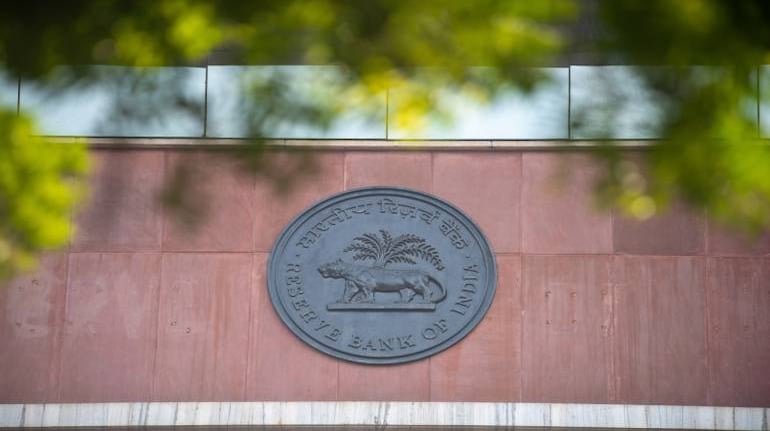
The unexpected jump in May and June headline consumer price index-based inflation (CPI) has turned the focus on Reserve Bank of India’s (RBI) potential measures to contain rising price pressures before they become well entrenched.
India’s CPI had averaged ~6.2% in FY21. RBI has raised its FY22 average CPI forecast from 5% in April to 5.7% in August MPC. If this fructifies, then the Indian economy will have endured two consecutive years of inflation averaging 6%, very close to RBI’s higher threshold.
While the Monetary Policy Committee (MPC) could attribute the bulk of an increase in Headline CPI to the pandemic, resultant supply-side constraints, and an upsurge in global commodities, sticky and upward trending core inflation (CPI ex-food & fuel) has caused concerns among policymakers.
Higher core inflation, quick resumption of business activities, and FOMC’s decision of earlier-than-expected rate lift-off by mid-2023 have raised hackles among a section of global bond market participants and have raised clamor of quicker “normalisation” of policy rates before the Fed starts.
Analysis of India’s Overnight Index Swap (OIS) levels suggests that Indian bond market expects the repo rate will be raised from 4% at present to at least 4.5% by September 2022.
But does this mean that RBI will oblige bond market with at least two rate hikes for sure in that timeframe regardless of market conditions?
Based on our assessment of India’s macro-economic landscape, we are not convinced RBI will be in a hurry to normalise policy rates and will follow through with multiple rate hikes. On the contrary, we believe RBI will exhibit great restrain and move at a gentler pace than what the bond market expects. Our view is based on developments in the following critical inter-linked areas:
Pace of economic recoveryIndia’s economy was one of the hardest hit by the pandemic. It shrunk by ~7.8% in FY21. Despite its expected growth at ~9.5% in FY22, it will still be ~7% lower than its pre-pandemic level of FY20.
While several developed market (DM) economies have come out of slump and have started growing, India’s economy will need longer to heal its scars. If India’s economy was expected to grow at 5.5% CAGR in the pre-COVID world and if it can grow at 7% CAGR from FY22 onwards, then it will be able to reach its pre-COVID growth path only in FY2032 - a decade from now, according to Scroll.
This probably means the economy will need an extended level of support from RBI to ensure its recovery is based on solid foundations before these accommodations are gradually removed. The RBI is acutely aware of the risk of premature tightening and its potential negative implications on future economic growth.
Health of India’s Informal SectorThe pandemic affected India’s informal economy rather badly. According to HSBC, India’s informal sector employs ~80% of India’s labor force and produces ~50% of GDP. While those involved in agriculture are relatively unscathed, micro, small and medium enterprises (MSME) involved in manufacturing, construction, hotel, transportation, and services sector & their employees have suffered heavily and are still reeling under stress.
Financial stress of MSMEs is being felt by the banking sector in the form of higher level of delinquencies in loan portfolios and upward trend in gross NPA. Given the importance of the informal sector in our economic and employment growth, RBI will have to ensure that they are nurtured back to pre-pandemic financial health before monetary accommodations can be removed.
Government BorrowingsIndia’s public debt levels have shot up to ~90% of GDP in FY21 from ~70% in FY20 and is likely to remain elevated. This will lead to higher annual interest expenses. More importantly, the quantum of maturities FY23 onwards will push India’s gross borrowing higher by at least Rs 4 trillion per year.
The RBI is concerned that higher borrowing by the government will crowd out the private sector and could lead to sticky and elevated sovereign bond yields, widening of credit spreads, and tightening of financial conditions. None of these could be helpful in RBI’s efforts to raise credit growth and put the economy back on the fast track.
Recent comments by RBI Governor Shaktikanta Das and other deputy governors point out that RBI will be patient in its normalisation approach and will support India’s exports and capex-led economic growth with surplus liquidity and cheaper credit at least till the end of FY22. In the meantime, RBI will prepare the groundwork by first reducing liquidity surplus through longer reverse repo auctions, and second, by gradually raising the reverse repo rate from 3.35% to 3.75% in two tranches starting Q4FY22.
The RBI will prepare to raise the repo rate in H2FY23 onwards only after it is confident that the economy is on the path of sustained growth and there are no dark clouds on the horizon.

Discover the latest Business News, Sensex, and Nifty updates. Obtain Personal Finance insights, tax queries, and expert opinions on Moneycontrol or download the Moneycontrol App to stay updated!
Find the best of Al News in one place, specially curated for you every weekend.
Stay on top of the latest tech trends and biggest startup news.