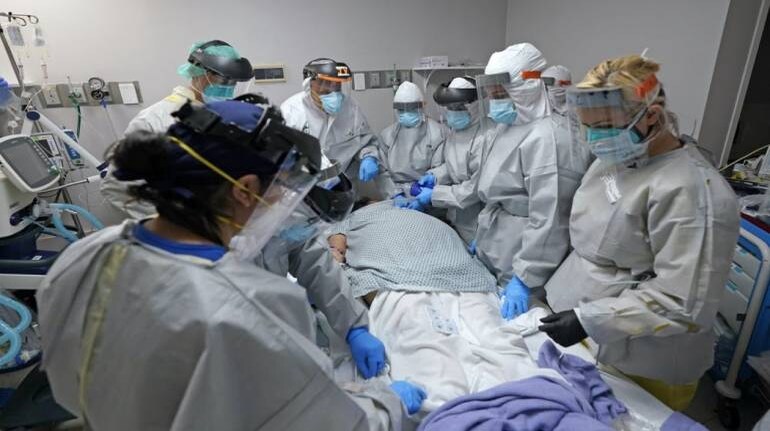
The ongoing COVID-19 pandemic has increased the consumer’s consciousness about health insurance like no other event in the past. At the onset of the pandemic, individuals wondered whether their health insurance plan covered the costs of treating COVID-19. The insurance regulator was prompt to clarify that all regular hospitalization insurance policies would cover COVID-19 related hospitalization as well. Nowadays, I get a few calls every week from friends, who want to evaluate their health insurance policies comprehensively for covering themselves, spouses, children and parents.
Their worries are specific. They want to know if buying a personal insurance apart from employer sponsored coverage will help, if COVID-19 treatment at home is covered, and ways to get supplementary coverage. The insurance industry has responded swiftly to address such consumer concerns. Here are a few examples of insurers introducing new products or modifying existing products in line with the current context.
Modifying features, introducing new onesReduced waiting periods for COVID-19 coverage has been one of the major changes. Standard individual health insurance has a common clause of an initial 30-day waiting period. In this period, insurers do not entertain any claim other than for accidents. Given the rapid spread of the virus, a 30-day waiting period had become a deterrent for individuals in purchasing a standard health insurance policy. To allay this concern, some insurers have reduced this initial waiting period to 15 days, specifically for COVID-19.
Another benefit extended is at-home care for COVID-19. A large number of COVID-19 cases are being treated at home. Several hospitals have introduced packages for remote monitoring and treatment. Such expenses are categorized as OPD (out-patient department) expenses. Most standard health insurance plans exclude OPD coverage and mandate a minimum of 24 hours of hospitalization. So, this had become a source of anxiety for policyholders. A couple of insurers have announced that all their existing health insurance plans will cover COVID-19 treatment at home with no additional charge.
A number of insurers launched fixed benefit plans as supplementary coverage. IRDAI had formulated a standardized fixed benefit COVID-19 plan called COVID-19 Rakshak, and kept it optional for insurers to launch under their umbrella. This plan pays the sum assured as a lump-sum, once the specified condition is met. Sum assured offered is between Rs 50,000 and Rs 2,50,000. The full sum-assured would be paid in case the policyholder is hospitalized continuously for at least 72 hours. The plan has a waiting period of 15 days, and has three policy period options: 3.5 months, 6.5 months and 9.5 months.
This plan works well for individuals who have an existing health plan but relatively low sum assured. One of the leading life insurers recently launched a fixed benefit COVID-19 rider, which could be bought with its existing plans such as term insurance. The sum assured offered is between Rs 1,00,000 and Rs 10,00,000. In case the policyholder is diagnosed with COVID-19, the plan would immediately pay 20 per cent of the sum assured. In case the insured dies within the rider coverage period, 100 per cent of the sum assured is paid to the nominee. This rider can be bought only for one year at a nominal cost of Rs 271 for every lakh of sum assured.
Other initiatives from insurersThere were several other initiatives introduced by the regulator and insurers. The regulator advised insurers to allow expenses related to tele-medicine, wherever consultation with the medical practitioner was covered. Several insurers have introduced tele-consultation and second opinion facilities for policyholders. Some insurance brokers also offer complimentary tele-doctor consultation to their clients through standalone wellness providers. A number of insurers now offer instalment facility for group health insurance plans to their renewal clients. Several insurers have introduced KYC through video conferencing to allow policyholders maintain social distancing norms.
Despite the above measures, there are a few issues that needs to be fixed. Coordination between hospitals and insurers can be much better. The charges for PPE kits and daily room rent remain a concern. The GI (general insurance) council and some local bodies have prescribed daily hospital rates depending on the type of treatment. This would include COVID-19 testing, PPE kits, doctor consultation and room stay. However, the patient still has to do some back and forth with the hospital to ensure adherence. Another issue has been increased declarations to buy some insurance such as term life. At the time of policy purchase, some insurers ask if the proposer or family members have suffered from fever in the last 2 months or family members have been advised to be under quarantine. If the answer is negative, it leaves policyholder anxious, as it is difficult to provide a documentary evidence for such fact, should that be asked in the future.
Insurance adoption in the country will scale-up if we can offer contextual products. Response to COVID-19 by the regulatory and insurers has shown that the industry can adapt. Insurers are known to price risk that can be quantified. They avoid uncertainty. COVID-19 continues to be in the unknown territory. Yet, all stakeholders have put a stick in the ground and kept consumers’ interest first in mind. Policyholders have a lot to choose from, and limited reasons to stay underinsured.
(The writer is Principal Officer & Managing Director, SecureNow)
Discover the latest Business News, Sensex, and Nifty updates. Obtain Personal Finance insights, tax queries, and expert opinions on Moneycontrol or download the Moneycontrol App to stay updated!
Find the best of Al News in one place, specially curated for you every weekend.
Stay on top of the latest tech trends and biggest startup news.