






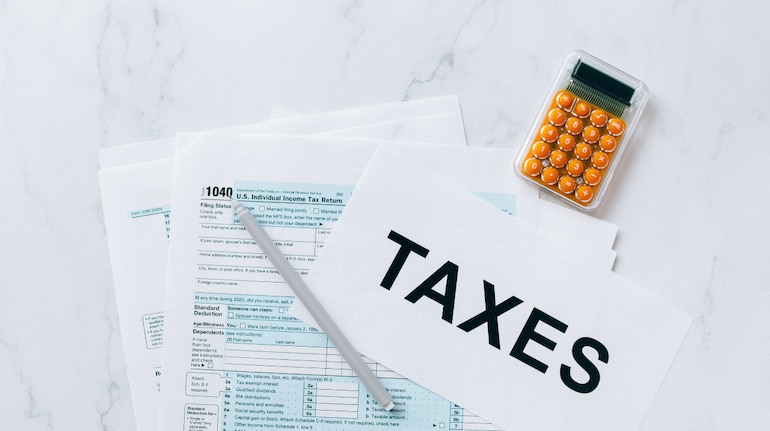
With Union Budget 2026 around the corner, individual taxpayers are pushing for reforms, hoping the Income Tax Act, 2025 rollout gets a smoother transition with some tweaks in the 2026 budget.
With inflation eroding purchasing power and the middle class feeling the pinch, expectations centre on easing transitions, boosting disposable income and fostering equity, expert says.
Experts are calling for tweaks to fiscal policy to match economic reality and tackling issues such as administrative hurdles.
Streamlining the shift to the new tax framework
The impending enforcement of the Income Tax Act, 2025 has amplified calls for smoother integration. Taxpayers seek budgetary measures to bridge gaps between old and new regimes, minimising disruptions.
SR Patnaik, partner (head-taxation) at Cyril Amarchand Mangaldas, said, "As the new Income Tax Act, 2025 is set to come into effect, the taxpayers are expecting that the budgetary changes in 2026 would make the transition easier from the old law to the new."
Tushar Kumar, who practices in the Supreme Court, said there's a strong push for simplifying tax administration, especially with the new income-tax law coming in – think streamlined TDS, clearer capital gains rules and protection against unnecessary disputes.
Also read | 5 housing loan reforms homebuyers want from Budget 2026
Making slabs inflation-proof
A key ask is to revamp income-tax slabs and thresholds to tackle "taxation by inflation", where people get pushed into higher tax brackets even if their real wages aren't growing.
Middle-class households, squeezed by rising essentials, anticipate further slab simplifications or exemptions. Patnaik said, “This issue has definitely worsened with the increase in prices of essential goods and services.”
It prompted the government to bring about major revisions in tax slab rates in the previous budget to alleviate the middle class to some extent even if it meant foregoing of revenue for the government.
“However, like any other aspirational economy, taxpayers expect further relief because their household spendings have also gone up. This is a balancing act that the finance minister will have to address in each budget presentations,” Patnaik said.
Tax experts say there is a strong demand for a meaningful recalibration of personal income-tax slabs and exemption thresholds, including rationalisation of surcharge and cess, to account for sustained inflation and rising costs of living.
Restoring deductions and regime parity
Experts has also called for the revival of key deductions under Sections 80C, 80D, and housing-linked incentives, with uniform application across regimes to promote savings and homeownership. This parity would eliminate coerced choices, empowering individuals to match tax structures to their needs. Beyond slabs, incentives for sector-specific investments sucha s real estate and insurance could spur growth.
“Such expansions would prevent fiscal disincentives for long-term savings, health security and home ownership," Kumar said. These tweaks promise augmented disposable income, fortifying consumption amid economic pressures.
Also read | 1 out of 5 cancer patients run out of Rs 5 lakh insurance cover, says study
Equating individual and corporate tax burden
Shobha Jagtiani, partner at DM Harish & Co, said, "There are no justifications for burdening individuals with gross tax rates of 42 percent when companies are paying tax at significantly lower rates."
This inequity hampers asset-building in skilled fields such as law, medicine, and design, stifling expansion and jobs. Alignment would level the field, enabling retirement planning and legacy transfers without incorporation hassles.
Ease charitable trust rules
Philanthropy is facing barriers. People want to do good for the society but setting up a charitable trust is complicated. “Tax laws, exemptions, and IT department clearances are a nightmare, causing litigation and stopping trusts from functioning smoothly. Even transferring trust property or shutting down is a nightmare,” said Jagtiani.
Many people want to set up trusts for education, hospitals and healthcare to give back, but the complicated rules are putting them off.
The Budget 2026 is expected to bring relief to taxpayers as they transition to the new I-T act. Key asks include simplifying tax administration, revising income-tax slabs to combat inflation, restoring deductions, and easing charitable trust rules. Experts have urged the government to balance revenue needs with taxpayer expectations, promoting savings, homeownership, and philanthropy. Aligning individual and corporate tax rates could also boost asset-building and job creation.

Discover the latest Business News, Sensex, and Nifty updates. Obtain Personal Finance insights, tax queries, and expert opinions on Moneycontrol or download the Moneycontrol App to stay updated!
Find the best of Al News in one place, specially curated for you every weekend.
Stay on top of the latest tech trends and biggest startup news.




