






Dear Reader,
The Panorama newsletter is sent to Moneycontrol Pro subscribers on market days. It offers easy access to stories published on Moneycontrol Pro and gives a little extra by setting out a context or an event or trend that investors should keep track of.When India and the European Union opened trade talks in 2007, the world economy was cruising on cheap money, benign geopolitics and an almost naïve belief that globalisation was irreversible.
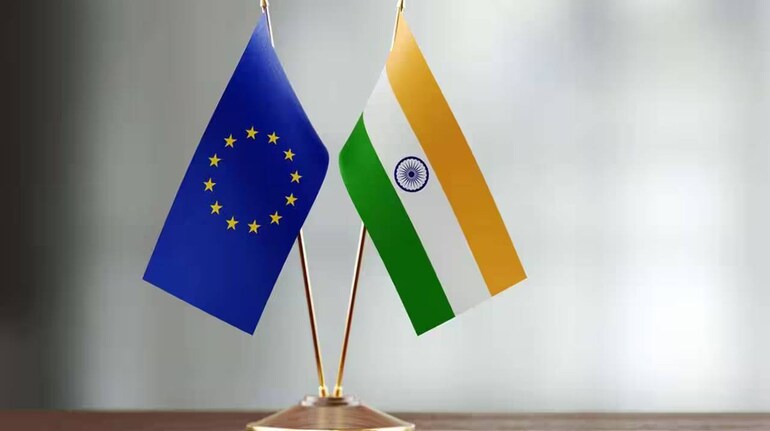
Eighteen years later, the deal now being billed as the “mother of all deals” is arriving in a world shaped by trade wars, carbon taxes and strategic distrust. That shift matters far more than the celebratory headlines. If you want a detailed walkthrough of how we got here, my colleague Abhijit Kumar Dutta has mapped it out. What matters now is what this agreement actually does for India.
On the surface, the give-and-take is familiar. Europe wants better access to India’s consumers for its wines, spirits and automobiles. India wants easier entry into the EU for labour-intensive exports—textiles, garments, leather and marine products—where margins are thin and tariffs often decide who wins the order. After years of deadlock, both sides are getting what they have long asked for, partly because their options elsewhere are narrowing.
For India, Europe’s appeal lies not just in scale but in predictability. With goods exports nearing $76 billion in 2024–25, the EU is already India’s largest trading partner. Unlike the United States, where tariff policy can change with the political weather, Europe offers regulatory consistency. For exporters in Tiruppur or Kanpur, that certainty often matters more than a marginal duty cut.
That is why labour-intensive sectors are the most obvious early beneficiaries. EU tariffs of 2-12 percent on garments, leather and marine products may not sound excessive, but in businesses where buyers haggle over cents, they are decisive. Even modest tariff relief could help Indian firms claw back orders from competitors such as Bangladesh and Vietnam, which have enjoyed preferential access for years.
But this is not a rerun of the old export-led manufacturing playbook. India is negotiating a very different global economy. Supply chains are shorter, compliance burdens are heavier, and sustainability is fast becoming a trade barrier by another name. The unresolved issue of the EU’s Carbon Border Adjustment Mechanism captures this tension. From 2026, carbon levies of 20-35 percent on steel, aluminium and cement could quietly wipe out gains made elsewhere in the agreement.
Which is why India’s real challenge is not access, but rules. Europe does trade through standards—on labour, environment, data and intellectual property. India has historically resisted binding commitments here, wary of importing regulations it did not help frame. The continued protection of sensitive areas such as agriculture and dairy suggests that New Delhi has drawn some firm red lines. The harder question is whether India uses this deal to influence future rule-making, or merely negotiates exemptions at the margins.
Pharmaceuticals and chemicals show what is at stake. Faster approvals and regulatory alignment could significantly boost exports of generics and specialty chemicals. But alignment cuts both ways. It demands stronger regulators, quicker clearances and tougher enforcement at home. Without that institutional capacity, the promised gains will remain largely on paper.
So, what does Europe get? Access to India’s consumption story—but a narrow slice of it. Lower duties on wines and spirits will expand a niche market rather than flood Indian shelves. Premium cars may get marginally cheaper, but India’s mass auto market will stay overwhelmingly domestic. The real opportunity for European firms lies in machinery, chemicals, medical devices and high-value services that fit into India’s manufacturing and infrastructure push.
There is also a quieter strategic payoff. As global trade splinters into rival blocs, the EU needs dependable partners outside the US–China axis. India, with its scale, demographics and political autonomy, fits that requirement. For New Delhi, closer economic ties with Europe come without the security entanglements that often accompany deeper engagement with Washington.
The risk for India is confusing symbolism with success. Free trade agreements do not deliver growth by themselves. They magnify strengths and expose weaknesses. If logistics remain costly, compliance stays cumbersome and domestic reforms lag, better access to Europe will not translate into export leadership.
Seen this way, the India–EU FTA is not an end point. It is a deadline. It forces India to decide whether it wants to be a rule-taker in a greener, more regulated global economy—or a rule-shaper that negotiates from a position of strength.
The “mother of all deals” will ultimately be judged not by the applause it draws this year, but by whether Indian factories, exporters and regulators are ready when Europe’s doors truly open.
Investing insights from our research teamPersistent Systems Q3 FY26: The show of strength continuesITC Hotels: Should you buy this hotel stock?Will HDB Financial’s profit surge keep its momentum?SRF: Is the valuation enticing? What else are we reading?Budget Snapshot | What bank credit data for small firms tell usWhat should taxpayers, investors expect from the Union Budget?Budget 2026 — Tariff reset must ensure smarter shield, not higher wallsWith no tariff break, textile mills grapple with falling fortunesPersonal Finance | The pros and cons of risk-adjusted returns in SIFsTariffs and the US Supreme Court: Watch what happens next (republished from the FT) Union Budget 2026 and the road ahead for India’s direct tax regimeBudget 2026 tests India’s FTAs at customs and bordersWhat AI changes for mobile developers - and what it doesn'tThe Great Compute Crunch: Why India’s AI destiny depends on backend infrastructure MarketsFund managers flag short-term pain but remain confident on Indian equities despite market rout
Tech and StartupsLTIMindtree to close FY26 with 8,000 freshers onboard; CEO Venu Lambu says ‘future of IT hiring is skill-based’Technical Picks: General Insurance Corporation, Dalmia Bharat We have a crack team of reporters writing on everything startups and tech. We are fans of their newsletter Tech3 that lands in our inboxes every weekday evening. You can catch up on the day's happening tech and startup stories, including news, scoops, and analyses. If you have not already subscribed to it, click on this link to sign up. Thank you for subscribing to Moneycontrol Pro. Check out our offers page here for exclusive discounts on select brands and giveaways.
We would love to hear from you. For any feedback on the product and suggestions please click here. We promise to read your responses although we might not be able to reply to each one individually.
Dinesh Unnikrishnan Moneycontrol Pro

Discover the latest Business News, Sensex, and Nifty updates. Obtain Personal Finance insights, tax queries, and expert opinions on Moneycontrol or download the Moneycontrol App to stay updated!
Find the best of Al News in one place, specially curated for you every weekend.
Stay on top of the latest tech trends and biggest startup news.




