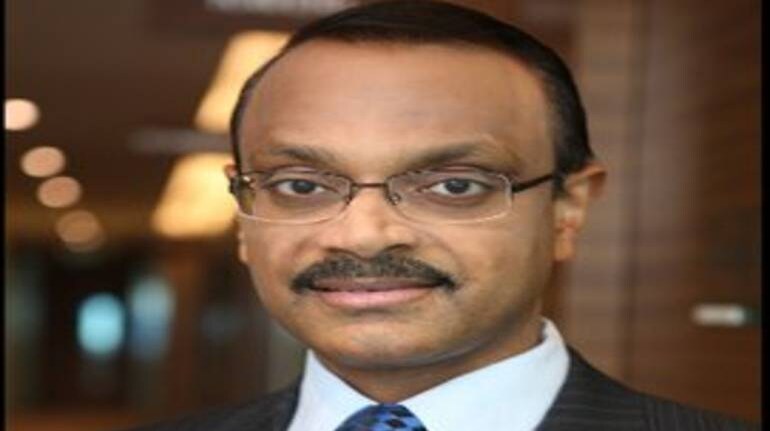
The Securities and Exchange Board of India has started using artificial intelligence (AI) for the first level of scrutiny of draft red herring prospectuses (DRHPs), said Ananth Narayan, a whole-time SEBI member, has said.
AI was useful for vetting publicly available documents. In the case of private documents, an in-house machine learning languages is needed for further checks and balances, Narayan said at the Securing Financial Stability Amid Global Spillovers event on February 16.
Narayan said that artificial intelligence offers both possibilities and risks. “We are dipping our toes into some of this (AI) and the possibilities are endless,” said the SEBI whole-time number.
Clearing corporationsIndia’s margin requirements are often criticised. However, Indian depositories have granular information on every individual trader, Narayan said.
“Unlike the US depositories which would be holding on behalf of some broker or dealer, who, in turn, will be holding on behalf of other participants but Indian depositories know about every individual trader,” Narayan said. He said in the US, depositories have no idea about who the end-holders are.
Narayan said SEBI ensured that every person had enough margin for their position. “That's a huge positive towards market stability,” he said.
India’s margin requirements are far higher as compared to global centres. For example, Nifty Futures margins are 11 percent, while SGX are 5 percent.
Narayan said that SEBI’s Settlement Guarantee Fund follows the cover-to principle, which means even if the top two clearing members were to fail, it will still be having enough buffer built up in the system.
Discover the latest Business News, Sensex, and Nifty updates. Obtain Personal Finance insights, tax queries, and expert opinions on Moneycontrol or download the Moneycontrol App to stay updated!
Find the best of Al News in one place, specially curated for you every weekend.
Stay on top of the latest tech trends and biggest startup news.