






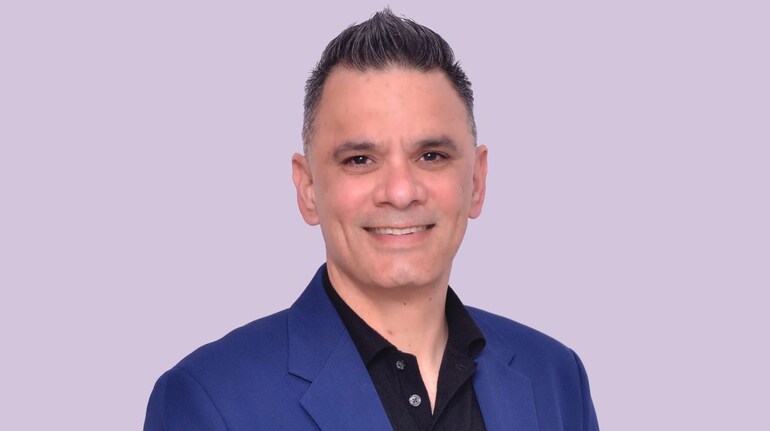
According to Harsh Gahlaut, Co- founder & CEO at FinEdge, the global backdrop remains volatile due to geopolitics and tariff-related issues, but he believes the most disruptive phase is now behind.
"Equities today are better positioned than they were a year ago," he said in an interview to Moneycontrol. Fiscal parameters remain robust, consumption is resilient, inflation is under control, and the banking sector is strong, all of which provide a very supportive backdrop for equities, he reasoned.
Banking, consumption, and defence will lead the way and must have significant weightage in a portfolio, he advised.
On the earnings front, he believes from the next quarter onwards, the trend is likely to shift towards upgrades rather than downgrades.
Do you see any major threats to the equity markets, which have witnessed renewed buying interest recently, particularly led by the banking sector?
The global backdrop remains volatile due to geopolitics and tariff-related issues, but we believe the most disruptive phase is now behind us. Domestically, valuations stay on the higher side when viewed from a broad macroeconomic lens, although the 12–15 months of corrective consolidation have provided meaningful relief. In fact, equities today are better positioned than they were a year ago.
That said, investors will need to stay patient. We expect this phase of consolidation to last for a few more quarters, and during such periods, discipline and staggered allocations are most effective. For those who remain consistent, the next 12 to 24 months could deliver healthy returns. Significantly, on the domestic front, we don’t foresee any significant negative surprises. Fiscal parameters remain robust, consumption is resilient, inflation is under control, and the banking sector is strong, all of which provide a very supportive backdrop for equities.
Considering current equity market conditions and global factors, which sectors should be given maximum weightage in an investment portfolio?
For investors focused on long-term wealth creation, Indian equities currently offer a compelling opportunity, especially when approached in a staggered manner. Instead of spreading too thin across multiple themes, this is the time to allocate a larger weight to quality Indian companies.
The emphasis should be on businesses with robust balance sheets, resilient earnings, and clear visibility of future growth. Banking, Consumption, and defence will lead the way and must have significant weightage in a portfolio.
In today’s environment, stock selection becomes critical; valuations are no longer forgiving of mistakes. An alternative to chasing sectors or themes, investors would do well to rely on a skilled fund manager who can identify and stay invested in the right companies. Over the long run, this disciplined approach will matter far more than sector-specific bets.
Gold has seen a spectacular rally over the past several weeks. Does it appear overbought at this stage, or do you expect the safe-haven demand to persist in the short to medium term?
The usual argument of gold being “overbought” doesn’t fully apply here. Central banks and sovereign reserves continue to significantly add to their gold holdings, creating a strong demand–supply imbalance. Unlike other commodities, gold cannot be produced; its scarcity, coupled with rising geopolitical uncertainty and declining trust in global currencies, is driving this surge in demand.
When two elephants are fighting, it’s best to stay out of their way!
That said, while gold remains an essential allocation in any portfolio as a risk hedge, this is not the stage to add fresh exposure. We don’t foresee a meaningful decline in gold prices in the near term, but prudence suggests holding existing positions rather than chasing the rally.
Do you still foresee the possibility of earnings downgrades in the Q2FY26 season? Is the upcoming quarterly earnings season likely to be a mixed bag?
The macro backdrop looks constructive. We’ve had a healthy monsoon, inflation remains under control, lending activity is gaining momentum, and consumption is at record highs. While the immediate impact of these positives may not fully reflect in the upcoming quarterly numbers, we expect earnings momentum to pick up. From the next quarter onwards, the trend is likely to shift towards upgrades rather than downgrades.
Do you believe India will continue to be a wealth-building engine in the years ahead, despite intermittent threats from global factors?
The answer to the above is a resounding yes. Today, India stands out as one of the most lucrative large markets to invest in globally.
When you take a step back and look at the macro picture, there’s little doubt that India will remain a standout engine of wealth creation. Every primary economic parameter supports this trajectory – demographics, per capita income, fiscal stability, manufacturing, and GDP growth. From a risk–reward perspective, it would be unwise not to maintain strong equity exposure over the next decade.
Consider just the past five years: despite a pandemic, geopolitical conflicts, and aggressive global rate hikes, Indian equities have delivered strong returns and significantly outperformed most global peers. This underscores the resilience of the Indian market.
History shows us that investors who create wealth are those who stay disciplined, seek professional guidance, and remain invested through periods of uncertainty. Some of the best returns typically emerge after major global disruptions, and India is uniquely positioned to capture that upside.
Given the expectation of single-digit growth in the current financial year, would you advise avoiding the IT sector?
The IT sector is facing twin challenges: currency risks and the disruptive impact of AI, which make the overall outlook less attractive in the near term. While there will always be stock-specific opportunities, broad exposure to the sector doesn’t appear compelling right now.
That said, companies that successfully adapt, transform, and innovate in response to these challenges could emerge stronger. For now, it remains a wait-and-watch space rather than one to overweight in portfolios.
Do you believe there is no significant threat to mutual fund inflows into equities in the foreseeable future?
We are still at the early stages of India’s investing revolution. Given the pace of growth and the rising acceptance of higher-risk investment products, it is reasonable to expect that we could cross 10 crore individual investors in the next 3–5 years. That milestone would likely mark the start of an exponential growth phase for mutual fund participation.
From our current perspective, the structural trend is pointing upward. I see no significant threat to mutual fund inflows into equities in the foreseeable future.
Disclaimer: The views and investment tips expressed by investment experts on Moneycontrol.com are their own and not those of the website or its management. Moneycontrol.com advises users to check with certified experts before taking any investment decisions.
Discover the latest Business News, Sensex, and Nifty updates. Obtain Personal Finance insights, tax queries, and expert opinions on Moneycontrol or download the Moneycontrol App to stay updated!
Find the best of Al News in one place, specially curated for you every weekend.
Stay on top of the latest tech trends and biggest startup news.









