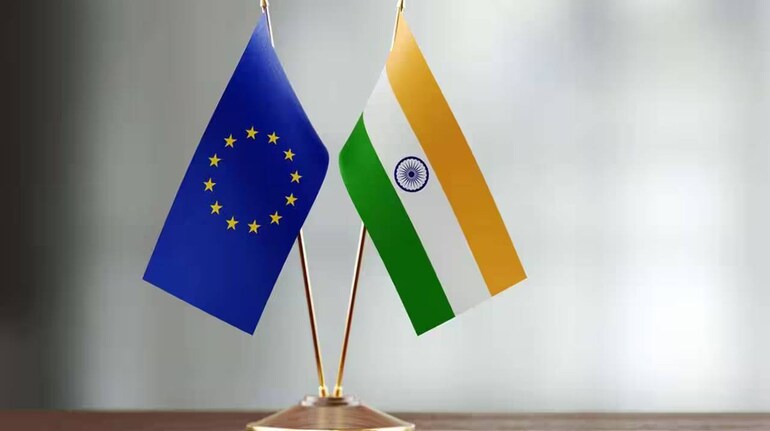
India’s gems and jewellery, textiles, leather goods, pharmaceuticals, and engineering products could get a boost from the proposed India–EU free trade agreement (FTA) as many of them face steeper duties in the United States, said former commerce secretary Anup Wadhawan.
“The EU FTA is part of India’s larger strategy to gain market access abroad while protecting its own interests as it opens up its market. It is coincidental, and positive, that it is coming at a time when our exporters are feeling some stress in the US market,” Wadhawan told Moneycontrol in an interview.
India and the EU are expected to announce a long-pending trade agreement on January 27, which, once implemented, could help boost labour-intensive exports currently facing 50 percent duties in the US.
“The outcome from the FTA should be excellent. Many of the products we export to the US…also have a good market in the EU, which will grow,” he said, adding that there is complementarity between these markets, as both are prosperous and developed economies with similar consumer preferences.
In 2024‑25, India’s exports to the EU totalled $75.85 billion, while imports from the bloc reached $60.68 billion, making it India’s largest trading partner for goods.
Major Indian exports to the EU include petroleum products, textiles, machinery, pharmaceuticals, and gems and jewellery.
On non-tariff barriers such as the EU’s Carbon Border Adjustment Mechanism (CBAM), Wadhawan said India has been able to meet the bloc’s existing standards for exports and can navigate stricter regulations.
“While it remains unclear whether CBAM will be part of the FTA, India has questioned its legality at the WTO, keeping options open for legal remedies or retaliatory tariffs. Ideally, both sides should arrive at an understanding, with a graduation path through which Indian industry can meet these standards over time, possibly with technical and financial assistance from the EU,” he added.
India has been pushing for a carve-out from the EU’s CBAM, but this issue has not yet been resolved and remains under negotiation.
The EU introduced CBAM on October 1, 2023, a duty that translates into a 20-35 percent tax on select imports from January 1, 2026 with an aim to reach net-zero greenhouse emissions by 2050.
While the sectors covered under CBAM include cement, iron and steel, aluminium, fertilisers, electricity and hydrogen, India's iron and steel, aluminium and cement industries are expected to be hit the hardest by the EU's carbon tax.
Wadhawan, however, noted that given India’s climate change priorities, meeting requirements under mechanisms like CBAM also aligns with the country’s own environmental goals.
Discover the latest Business News, Sensex, and Nifty updates. Obtain Personal Finance insights, tax queries, and expert opinions on Moneycontrol or download the Moneycontrol App to stay updated!
Find the best of Al News in one place, specially curated for you every weekend.
Stay on top of the latest tech trends and biggest startup news.