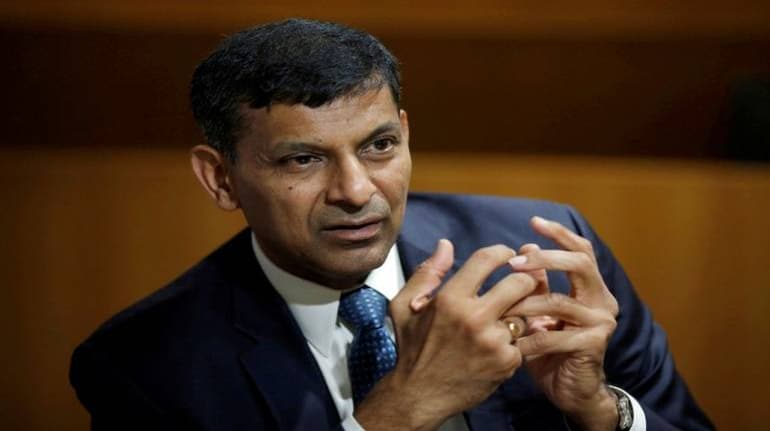
Former Reserve Bank of India (RBI) governor Raghuram Rajan - while calling the coronavirus pandemic the greatest emergency perhaps since Independence - warned the Centre that non-performing assets (NPA) could increase due to the outbreak. He also urged Prime Minister Narendra Modi to prioritise spending on the poor.
In a blog post, Rajan has emphasised on prioritising spending on the poor that may help them get through the crisis days ahead. Failure to do so could have consequences, he said, citing the mass movement of the migrant labourers that had already taken place.
COVID-19 pandemic LIVE updatesSpending on the underprivileged at this time is a high priority use of resources, the right thing to do as a humane nation, as well as a contributor to the fight against the virus, Rajan said in his blog posted on LinkedIn.
At the same time, India cannot lose sight of its financial constraints, unlike developed economies such as the US or Europe, which can spend the 10 percent of its GDP without fear of a downgrade in ratings, India has entered this crisis with a huge fiscal deficit and will have to spend even more, the former RBI governor said.
Rajan said a ratings downgrade coupled with a loss of investor confidence could lead to a plummeting exchange rate and a dramatic increase in long-term interest rates and substantial losses for India’s financial institutions.
To salvage the economic growth rate and save jobs, he said many economists had been urging the government to come out with a fiscal stimulus package.
NPA will mount in the banking sector, including in retail loans as unemployment rises, warns Rajan, who previously served as the chief economist at the International Monetary Fund.
He said RBI should consider imposing moratorium on financial institution dividend payments so that they could build capital reserves.
The government should accept the responsibility for the first loss in incremental bank loans made to small businesses, up to the quantum of income taxes paid by such entities in the previous year, Rajan suggested.
The former RBI governor wrote that strong measures for the coronavirus pandemic had affected jobs and businesses in a bigger way than the financial crisis of 2008-09. However, India can take control over the situation and set the stage for a better future with the right resolve and priorities, he said.
“We should now plan for what happens after the lockdown, if the virus is not defeated. It will be hard to lock down the country entirely for much longer periods so we should also be thinking of how we can restart certain activities in certain low-infection regions with adequate precautions," he said.
Rajan also urged the government to take the support of people with proven expertise and capabilities to manage the situation. “It may even want to reach across the political aisle to draw in members of the opposition who have had experience in previous times of great stress like the global financial crisis," he said.
Follow our full coverage of the coronavirus pandemic here.Discover the latest Business News, Sensex, and Nifty updates. Obtain Personal Finance insights, tax queries, and expert opinions on Moneycontrol or download the Moneycontrol App to stay updated!
Find the best of Al News in one place, specially curated for you every weekend.
Stay on top of the latest tech trends and biggest startup news.