




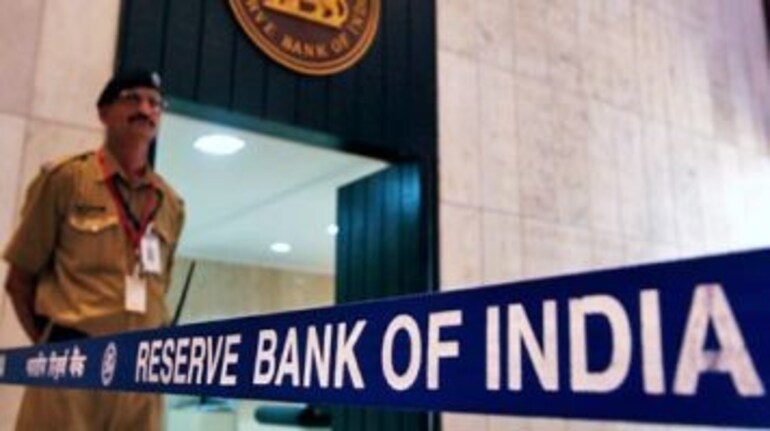
A 50 basis points repo rate cut and slew of policy measures announced by the Reserve Bank in the recent monetary policy review could attract an average annual flow of Rs 48,000 crore in government bonds from overseas investors for the next few years, says a report. In a surprise move, RBI last week reduced repo rate by 50 basis points to 6.75 percent from 7.25 percent. According to domestic rating agency India Ratings, RBI's front loaded monetary action and accompanying policy changes have a significant positives for fixed income and the rupee.
"In our view, average annual foreign portfolio investments (FPIs) in government bonds alone would be Rs 48,000 crore (or USD 7.3 billion at the current exchange rate) for the coming two and half years," the report said. This gradually augmented demand for government bonds will have a sustained, salutary impact on bond prices or sustained decline in yields, it added. India Ratings sees bond yields softening in medium-term.
In the fourth monetary policy, the RBI said the limits for FPI investment in government securities will be increased in phases to 5 percent of the outstanding stocks by March 2018, from the current level of 3.7 percent. The report said this may imply around Rs 1.2 trillion additional inflow of funds in the next two and half years. Additionally, measures to enhance participation in state development loans by bringing the FPI investment to 2 percent by March 2018, are likely to enhance the market appetite.
"This opens up case for spread compression of state development loans in relation to government bonds further - depending on the appetite from the FPI segment," the report said. The rating agency believes that the transmission of the RBI policy action to the overnight money market rates will be reflected from this month. Post the repo rate cut announcement, overnight call money rates are moving in the range of 7-7.05 percent.
"We expect these rates to significantly cool off this week and stay close to the repo rate of 6.75 per cent," it said. The report further said that the RBI rate cut is a positive for the rupee contrary to what conventional economics would suggest. "While the payment of oil dues to Iran might pose some near-term downside risks to the rupee, and global risk-off too could have a rub-on effect, we remain constructive on the rupee on a fundamental basis," the rating agency said, adding that the country's growth dynamics are better than peers.
The current account stands to benefit from the downturn in global commodities as it is a net importer of most of these commodities even though exports may continue to contract.
Discover the latest Business News, Sensex, and Nifty updates. Obtain Personal Finance insights, tax queries, and expert opinions on Moneycontrol or download the Moneycontrol App to stay updated!
Find the best of Al News in one place, specially curated for you every weekend.
Stay on top of the latest tech trends and biggest startup news.