






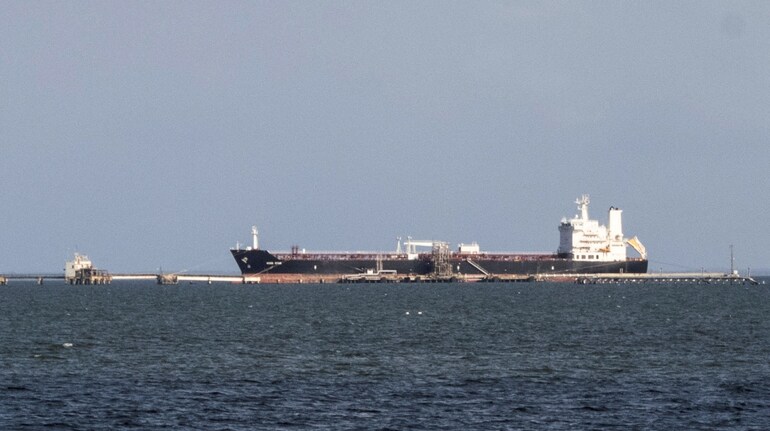

Oil prices swing sharply as war fears ease slightly but supply disruptions keep market tight
Oil markets whipsawed on Monday, with prices initially surging to dramatic highs before retreating later in the day as investors reacted to signals that the conflict with Iran might be nearing completion.
After jumping overnight, U.S. crude briefly touched levels near $119 per barrel before reversing course. By about 4 p.m. ET, U.S. crude had fallen roughly 5% to around $86 per barrel. International benchmark Brent also slipped, declining more than 3.5% to below $89 per barrel during the session.
The dramatic turnaround came after U.S. President Donald Trump suggested the military campaign was close to wrapping up. Speaking to CBS News and later at a press conference in Florida, he said the war was “very complete, pretty much.”
Trump also told reporters, "This was just an excursion into something that had to be done," adding, "We’re getting very close to finishing that, too." The remarks helped calm markets that had earlier been driven higher by fears of a prolonged disruption to global oil supplies.
Despite the pullback, crude prices remain sharply elevated compared with earlier this year. U.S. crude has climbed more than 50% since the beginning of the year and has surged over 30% in just the last five days.
The spike has also translated into higher fuel costs for consumers. As of Monday afternoon, the average price for U.S. gasoline had climbed to $3.49 per gallon nationwide, continuing a steep upward trend. According to price-tracking service GasBuddy, pump prices have risen by more than 50 cents per gallon since the conflict began.
Earlier in the trading session, oil prices surged as supply disruptions deepened across the Middle East. Brent futures rose $7.21, or 7.8%, to $99.90 a barrel at 12:42 p.m. EDT, while U.S. West Texas Intermediate gained $4.50, or 5.0%, to $95.40.
Both benchmarks had earlier spiked dramatically. Brent briefly hit $119.50 per barrel, marking the largest single-day absolute increase ever recorded, while WTI reached $119.48 during early trading.
Since U.S. and Israeli forces launched strikes on Iran on February 28, oil benchmarks have soared sharply. Brent has risen as much as 65%, while WTI has jumped up to 78% over the same period.
The surge in prices has been fueled by growing fears of major supply disruptions, particularly around the Strait of Hormuz, a critical shipping route through which about one-fifth of the world’s oil and liquefied natural gas normally passes.
Shipping risks and regional tensions also intensified after Iranian hardliners staged large demonstrations, pledging support for new supreme leader Mojtaba Khamenei. The show of force appeared to dampen hopes that the conflict might quickly de-escalate.
Analysts said several factors contributed to the later pullback in prices. Traders were weighing the possibility that governments could coordinate a release of crude from strategic reserves. Markets also faced concerns that soaring oil costs could accelerate inflation and weaken global economic growth.
There was also heavy profit-taking after a rapid rally pushed technical indicators to extremes. Analysts noted that WTI crude became the most overbought on record, while Brent reached its most stretched levels since 1990.
Even with Monday’s retreat, analysts warn that consumers and businesses could face elevated energy costs for weeks or months as supply chains and infrastructure recover from the conflict’s disruptions.
Discover the latest Business News, Sensex, and Nifty updates. Obtain Personal Finance insights, tax queries, and expert opinions on Moneycontrol or download the Moneycontrol App to stay updated!
Find the best of Al News in one place, specially curated for you every weekend.
Stay on top of the latest tech trends and biggest startup news.





