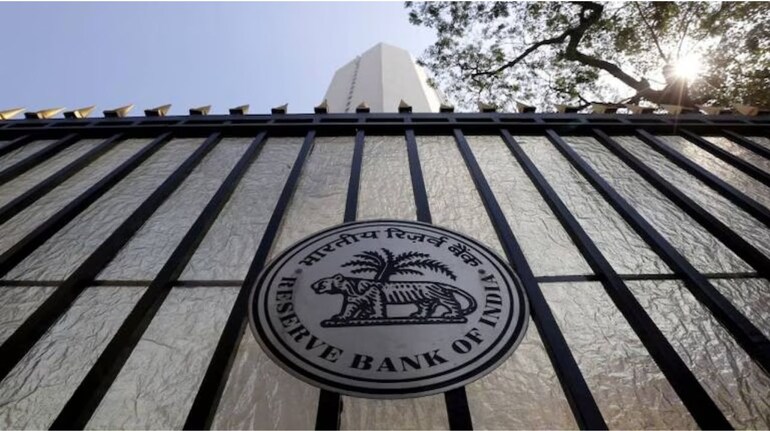
“The elephant is walking towards the forest,” Reserve Bank of India’s Governor Shaktikanta Das said a few monetary policies ago while referring to some signs of inflation cool off becoming visible. But, this time around, when he delivered his speech after the Monetary Policy Committee (MPC) meeting on August 8, the message was loud and clear - the elephant is nowhere near the forest.
The thrust on inflation and taming it at the desired 4 percent mark remains the most important agenda and for reasons beyond control, an unfinished agenda as well. Emphasising that the central bank will not follow the footsteps of its global peers, Das said that considering the stubbornness of inflation is primarily due to food component, repo rate will remain unchanged for the ninth time at 6.5 percent.
“The commitment of monetary policy to ensure price stability would strengthen the foundations for a sustained period of high growth. Hence, the MPC reiterated the need to continue with the disinflationary stance of withdrawal of accommodation to ensure that inflation progressively aligns to the target, while supporting growth,” the RBI Governor said in his speech.
In several other instances during the speech, the governor clearly stated that growth will not be compromised in the process of battling inflation. But who will bear the cost of growth?
Banks play a perfect proxy when it comes to gauging growth, which presently is more consumption led. Data from RBI indicates that capacity utilisation in manufacturing sector stood at 76.8 percent in the March FY24 quarter, which is the highest in 11 years. It could be a precursor for a return of capex. This was somewhat reflected in the financials of banks for the June FY25 quarter as well when their corporate book grew faster at 10-15 percent year-on-year as against a sluggish single-to low double digit growth seen from FY20-FY24.
The question is whether corporates will continue to borrow at any cost. Most banks argue that interest rates are never the primary determining factor for corporates while vetting their liability plans. But the fact that banks (especially those primarily catering to large and mega sized corporates) have been extremely cautious about jacking up MCLR (marginal cost of fund based lending rate) suggests that a steep hike in corporate loan rates may dampen growth in the segment. For instance, against a 250 bps increase in repo rate since May 2022, MCLR has risen by less than 190 bps whereas external benchmark rate transmission has mirrored the repo hikes.
MCLR draws its calculation from overall costs incurred by a bank, including cost of deposits. PSU banks and large private banks, in a bid to protect MCLR, tread carefully on repricing deposits. Despite it being a fight there, banks haven’t seen an increase in deposit rates unlike mid-and small-sized private banks.
Therefore, in the context of an improving capex, the question is whether a rate cut can prove a critical element in sprucing up demand from corporates and also provide a helping hand to banks on the deposits front.
A rate cut could help in two ways:
First, an early rate cut could help lenders defend their margins better if they were to focus more on wholesale loans. The circular on project loans may become a reality in FY26 and in a not very petered down form. If rates were cut after December 2024, taking calls on project loans would add to a layer of complexity as transmitting rate cuts can hurt a bank’s profit and loss statement in comparison to transmission of rate hike.
Second, the froth, which continues to persist in unsecured retail loans, may gradually fade with banks shifting focus to wholesale loans if a rate cut happens sooner.
Therefore, should the RBI wait for the elephant to comfortably reach the forest?
There's a downside to this argument. A rate cut at this juncture to support capex may compound inflationary risks. No doubt then that the MPC is in a prolonged catch-22. However, with regulations getting tighter than before, financial institutions shouldn’t end up as the unintended victims of this situation – a problem that India shouldn’t face when it is the brightest growth spot in the global map.
Discover the latest Business News, Sensex, and Nifty updates. Obtain Personal Finance insights, tax queries, and expert opinions on Moneycontrol or download the Moneycontrol App to stay updated!
Find the best of Al News in one place, specially curated for you every weekend.
Stay on top of the latest tech trends and biggest startup news.