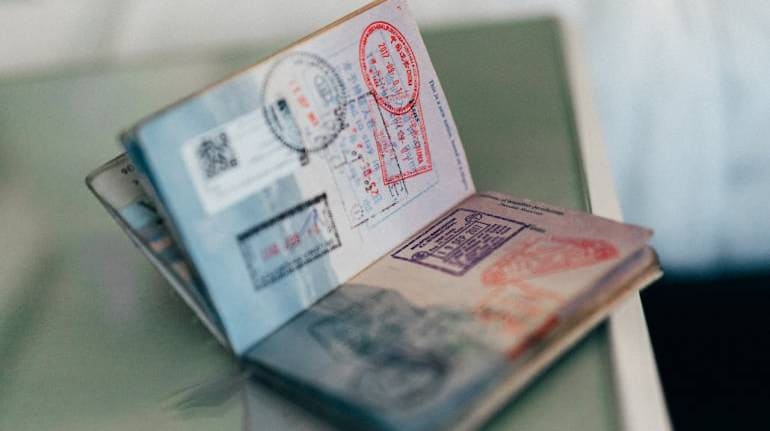
The expiry of skilled work visas like H-1B, which first came into effect in June 2020, could not have come at a more opportune time.
With unemployment rate coming down for computer-related occupations and demand increasing for tech talents, the move would benefit tech and IT firms.
This also comes as a relief for techies and Indian IT firms, one of the largest beneficiaries of the H-1B visa. In FY19, of the 1.8 lakh visas issued, 1.3 lakh went to Indians.
What happened?The Biden Administration let the June 2020 proclamation expire on March 31, 2021 even as US Senator Josh Hawley urged the administration to extend the freeze on entry of skilled immigrant workers in the US. This was in a bid to protect American jobs as unemployment continues to be an issue in the US.
This has been a point of contention between tech groups, who are unable to find quality talent in the US, and American workers and certain sections of the US Congress, who claim that H-1B workers take away American jobs.
However, the situation on ground has been quite different, as multiple reports suggest that such bans would hurt the American economy rather than solve the unemployment issue.
Demand for tech workers in the USMany research reports have suggested that banning skilled workforce will adversely impact the American economy, especially when there is a huge demand, which the companies are unable to fulfil.
One of the impacts is increased localisation to regions like India.
As companies were unable to bring talents to the US due to the H-1B ban, many stepped up their offshoring efforts. Most IT firms reported increased offshoring numbers. Though these numbers are unlikely to be as high as it is now, executives suggest that the numbers might not go back to pre-COVID-19 levels as work from home becomes the norm.
According to a report by the US policy think tank National Foundation for American Policy (NFAP), there were about one million vacancies in the US for computer-related occupations, which account for the majority of the H-1B applications.
The report noted that 56,000 of the 85,000 H-1B visas issued every year are for computer-related occupations. In addition, the unemployment rate for tech jobs have come down since last year.
“The unemployment rate in computer occupations is down to 2.3 percent in February 2021, below the level of 3.0 percent in January 2020 before the coronavirus pandemic started,” the NFAP report stated.
This demand is a result of increased tech workforce needed as enterprises shift to the new model of working and are investing heavily in technology.
The expiry of the ban has also coincided with the filing of fresh H-1B petitions that began on April 1, 2021.
H-1B filing for FY22Starting April 1, 2021, companies can file H-1B petitions for their employees, who were selected by lottery and notified by the US Citizenship and Immigration Services (USCIS). On March 30, 2021 the USCIS informed that it had reached the H-1B quota for the year.
Last year, the USCIS did not receive enough petitions to complete its 85,000 quotas, with the raging pandemic as the backdrop.
The H-1B ban announced by the Trump administration in June 2020 till the end of the year did not help the cause either. So, the immigration agency has to open the second lottery in 2020, for the first time in 30 years.
It is unclear if this year would see a repeat in trend, especially with the ban out of the picture and businesses getting back to normal.
Discover the latest Business News, Sensex, and Nifty updates. Obtain Personal Finance insights, tax queries, and expert opinions on Moneycontrol or download the Moneycontrol App to stay updated!
Find the best of Al News in one place, specially curated for you every weekend.
Stay on top of the latest tech trends and biggest startup news.