






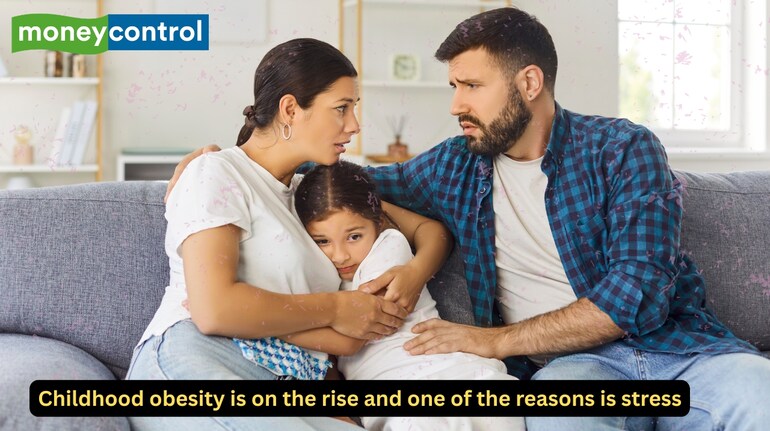

Childhood obesity has been rising steadily and scientists now believe the roots of the problem may stretch beyond unhealthy food and lack of exercise, and into the emotional lives of parents themselves.
For years, experts have been stressing on encouraging children to eat well and exercise often to stay healthy. Now, researchers at Yale now say another element may also influence children’s health, and it is the stress levels of their parents.
The study, led by psychologist Rajita Sinha and published in the journal Pediatrics, suggests that reducing parental stress could help lower the risk of obesity in young children. In other words, calmer households may lead to healthier kids.
According to figures from the U.S. Centers for Disease Control, roughly one in five American children and teenagers met the clinical definition of obesity in 2024. The trend has troubled doctors and policymakers alike. Sinha describes stress reduction as “the third leg of the stool” in tackling childhood obesity. Diet and physical activity remain crucial, she says, but how parents cope with pressure appears to shape family routines and children’s eating habits.
Earlier research has shown that children with obese parents are more likely to develop obesity themselves. Scientists have long suspected that parental stress may also play a role. When parents feel overwhelmed, healthy routines often unravel. Families may rely more heavily on fast food, structured mealtimes may disappear, and patient parenting can give way to fatigue. All of this subtly shapes how children eat and behave around food.
To examine the connection, Yale researchers conducted a 12-week prevention trial involving 114 parents from diverse backgrounds. Each participant had a child aged between two and five who was already overweight or at risk.
Parents were split into two groups
One group took part in a programme called Parenting Mindfully for Health. It combined mindfulness training and stress-management skills with guidance on healthy eating and physical activity.
The other group received only standard advice about nutrition and exercise.
Both groups attended weekly sessions lasting up to two hours, while researchers monitored parental stress, parenting behaviour, and children’s diets and weight.
By the end of the programme, the differences between the groups were striking. Parents who practised mindfulness reported lower stress levels and showed warmer, more attentive parenting. Their children also consumed fewer unhealthy foods, and crucially, did not experience the weight gain seen elsewhere. In contrast, families in the comparison group saw little change in stress or parenting habits. Their children were significantly more likely to gain weight and were six times more likely to move toward the obesity risk category during the follow-up period.
Also read: Doctor says these 3 medicines can save a heart attack patient
Researchers believe that when parents learn to manage stress, they respond to their children more patiently and maintain healthier household routines. This environment may encourage better food choices, more positive emotional interactions, and ultimately healthier growth patterns in young children.
1. Can parental stress influence a child’s risk of obesity?
Yes. High parental stress can affect family routines, food choices, and emotional environments, which may increase the risk of unhealthy weight gain in children.
2. How does parental stress affect children’s eating habits?
Stressed parents may rely more on convenience foods or irregular meal patterns, which can lead children to consume more high-calorie, processed foods.
3. Can stress in parents affect children’s emotional eating?
Yes. Children may pick up on parental stress and respond by using food as a coping mechanism.
4. Does parental stress affect children’s physical activity?
Sometimes. Busy or stressed parents may have less time to encourage outdoor play or structured physical activities.
5. Can family environment play a role in childhood obesity?
Yes. A tense or stressful home environment can influence children’s sleep, eating patterns, and lifestyle habits.
Disclaimer: This article, including health and fitness advice, only provides generic information. Don’t treat it as a substitute for qualified medical opinion. Always consult a specialist for specific health diagnosis
Discover the latest Business News, Sensex, and Nifty updates. Obtain Personal Finance insights, tax queries, and expert opinions on Moneycontrol or download the Moneycontrol App to stay updated!
Find the best of Al News in one place, specially curated for you every weekend.
Stay on top of the latest tech trends and biggest startup news.





