






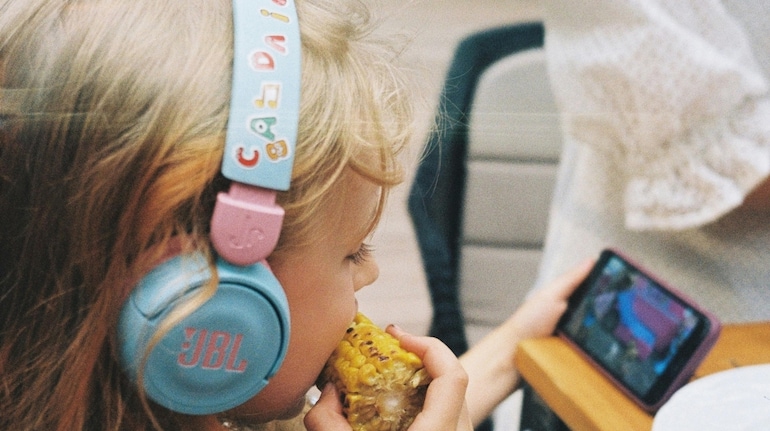

It’s a scene many parents will instantly recognise: dinner time arrives, and your little one refuses to eat. In a bid to avoid tantrums, a phone or tablet is handed over—and suddenly, the fuss disappears. The child eats, you breathe a sigh of relief, and the crisis seems averted. What seems like a harmless time-saver might influence your kid's eating patterns—and their health down the road.
Children who consume meals while watching screens often become disconnected from their body's natural signals of hunger and fullness. This disconnection can increase their chances of overeating, developing a preference for sugary or processed foods, and harming their overall connection with food.
Also Read: 8 things a child should never do before bedtime, according to a paediatric doctor
This observation isn't just based on stories. Well-known diet expert Rujuta Diwekar, who advises Bollywood stars like Kareena Kapoor, pointed out that parents often miss the concealed risk of using screens during meals. While sugar, junk food, and fizzy drinks are easy to spot as problems, unchecked screen time is just as serious in contributing to poor nutrition and long-term health risks related to metabolism.
Research confirms the risks. A 2021 study cited by Healthline found that children who frequently watch screens while eating are more likely to consume sweets and sweetened beverages, while consuming fewer fruits, vegetables, and whole grains essential for healthy growth, stable energy, and gut health.
A 2022 review further showed that excessive screen use at mealtimes can even encourage binge-eating behaviours in children and adolescents, making it clear that screen distractions go far beyond momentary convenience—they can shape lifelong eating patterns.
Also Read: Why your teen rolls their eyes: Understanding the teenage brain
Eating together is about more than just getting food in our bellies—it's a chance to create good habits. When we set aside our smartphones and tablets during meals, children can better recognize their hunger cues, make wiser food choices, and develop into healthy, strong individuals. Establishing basic routines without screens at mealtimes now can pave the way for lasting positive eating habits throughout their lives.
1. How does screen time during meals affect my child’s eating habits?
Using screens during meals can disconnect children from their body's natural hunger and fullness signals, increasing the risk of overeating and developing poor food preferences.
2. Can screen time during meals lead to long-term health issues?
Yes, prolonged use of screens during mealtimes can contribute to poor nutrition and long-term health risks related to metabolism.
3. What types of foods are children more likely to consume while watching screens?
Children who watch screens while eating are more likely to consume sweets and sweetened beverages, and fewer fruits, vegetables, and whole grains.
4. Can screen use during mealtime encourage binge-eating behaviours?
Excessive screen use at mealtimes has been shown to encourage binge-eating behaviours in children and adolescents.
5. How can we establish healthy eating habits without screens?
By setting aside smartphones and tablets during meals, children can better recognise their hunger cues and make wiser food choices, paving the way for lasting positive eating habits.

Discover the latest Business News, Sensex, and Nifty updates. Obtain Personal Finance insights, tax queries, and expert opinions on Moneycontrol or download the Moneycontrol App to stay updated!
Find the best of Al News in one place, specially curated for you every weekend.
Stay on top of the latest tech trends and biggest startup news.





