






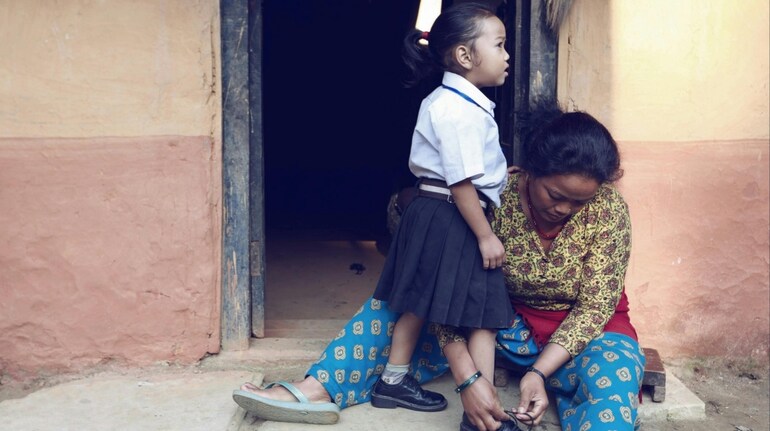

Children stepping into school isn’t just learning subjects; the institution is a place where they learn to manage feelings, form friendships, understand independence and make sense of a world away from home.
When a child steps into school for the first time, every parent feels excited and anxious; where emotions are mixed with concern. Will my child cope? Will they be happy? Are they emotionally ready?
Emotional readiness is not a checklist; it’s a feeling of safety inside a tiny heart, an inner compass that helps a child respond to challenges, connect with others and embrace new experiences. Studies confirm that emotional wellbeing at school entry has ripple effects on future achievement, behaviour and social relationships.
For most parents, emotional readiness is a puzzle that’s partly instinct, partly observation. It’s seen in the way a child handles sadness, whether they can take turns in play, how they comfort themselves when frustrated, and whether they greet a caregiver with confidence or cling with apprehension. These moments, small and fleeting, are far more than childhood whims; they are emotional milestones shaping readiness.
Children who can say “I feel sad,” “I’m frustrated” or “That made me happy” are already building emotional intelligence. Labelling emotions strengthens inner regulation and reduces outbursts.
A little anxiety is normal, but a child who can calm down after a hug, a chat or a familiar routine knows how to regulate emotional stress, a key skill for learning.
Predictable routines for sleep, meals and play provide emotional grounding. When a child knows what to expect, their nervous system settles, and confidence grows.
School is social. Children who enjoy sharing, waiting their turn or problem-solving during play are building the social skills that make friendships and group learning easier.
Readiness isn’t just about calm behaviour; it’s also about eagerness to explore, ask questions and be part of a group — curiosity is a bridge to academic joy and resilience.
Also Read: 4 common myths about introverts that experts want you to stop believing
A child who can shift from one activity to another, like from playtime to snack time, with minimal distress is learning adaptability, a quiet but powerful emotional muscle.
Perhaps the deepest sign of readiness is secure attachment, when a child trusts caregivers but can also engage confidently with teachers and peers. This secure base strengthens both learning and wellbeing
Disclaimer: This article, including health and fitness advice, only provides generic information. Don’t treat it as a substitute for qualified medical opinion. Always consult a specialist for specific health diagnosis.
Discover the latest Business News, Sensex, and Nifty updates. Obtain Personal Finance insights, tax queries, and expert opinions on Moneycontrol or download the Moneycontrol App to stay updated!
Find the best of Al News in one place, specially curated for you every weekend.
Stay on top of the latest tech trends and biggest startup news.





