






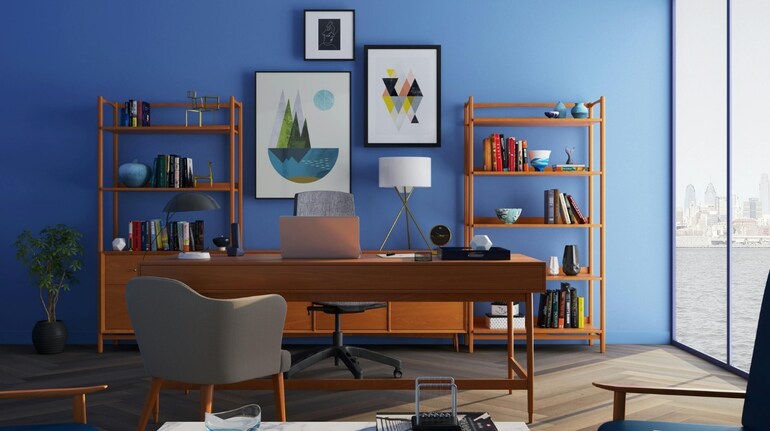
In 2025, smart homes moved beyond being a symbol of tech-forward living to becoming deeply intuitive, people-first spaces. The conversation shifted from flashy gadgets to thoughtful integration, where technology quietly works in the background to improve comfort, efficiency, and wellbeing. The modern smart home is no longer about control panels and visible devices but it’s all about creating environments that respond, adapt, and support daily life without disrupting the aesthetics of the space.
One of the most defining trends of 2025 was visual seamlessness. Homeowners increasingly preferred technology that blended into interiors rather than dominated them. Hidden speakers built into ceilings, sleek switchboards that matched wall finishes, and discreet sensors tucked away from sight became the norm. This approach allowed homes to retain a clean, design-led look while still being fully connected. Smart living, this year, was about subtlety and sophistication.
At the heart of this evolution was AI-driven personalisation. Smart systems became better at learning routines and behaviours, allowing homes to adjust automatically throughout the day. Shivani Gupta Mittal, Principal Designer at House of Lalittya, says, “We’re seeing a strong shift toward technology that blends naturally into everyday life helping homeowners live more comfortably, efficiently, and mindfully. One major trend is the rise of AI-driven personalisation. Homes can now learn daily habits and adjust themselves automatically - whether it’s setting the right lighting for the time of day, maintaining ideal temperatures, or playing music that suits the moment. This makes living spaces feel more responsive and supportive."
Also read: 8 indoor plants that purify air in your bedroom in the night
Energy efficiency also took centre stage in 2025. With rising awareness around climate impact and energy costs, smart homes became a key tool for responsible living. Intelligent climate control systems that adjusted cooling and heating based on occupancy, time of day, and weather patterns gained popularity. Smart appliances that monitored energy usage and optimised performance helped households reduce waste without compromising comfort. Mittal adds, “Another big focus is energy-smart design. With greater awareness around sustainability, homeowners are choosing solutions like intelligent climate control, and appliances that minimise energy use. The goal is to combine comfort with lower environmental impact. Sustainability, once an add-on, became a core design principle.”
Wellness-led technology emerged as another strong pillar of smart living in 2025. Homes increasingly reflected the idea that good design should support physical and mental health. Circadian lighting systems that adjusted colour temperature from energising daylight tones to warmer evening hues helped regulate sleep cycles. Smart air purifiers and humidity control systems improved indoor air quality, particularly in urban homes.
Also read: 9 longest living indoor plants that require minimal maintenance
Dedicated relaxation corners equipped with soft lighting, calming soundscapes, and minimal digital interference became popular additions, offering moments of pause within busy lives. Security and safety also evolved quietly but effectively. Smart locks, video doorbells, and integrated surveillance systems became more discreet and reliable, offering peace of mind without visual clutter. These systems were often integrated into a single platform, allowing homeowners to monitor and manage their homes remotely with ease.
Discover the latest Business News, Sensex, and Nifty updates. Obtain Personal Finance insights, tax queries, and expert opinions on Moneycontrol or download the Moneycontrol App to stay updated!
Find the best of Al News in one place, specially curated for you every weekend.
Stay on top of the latest tech trends and biggest startup news.




