






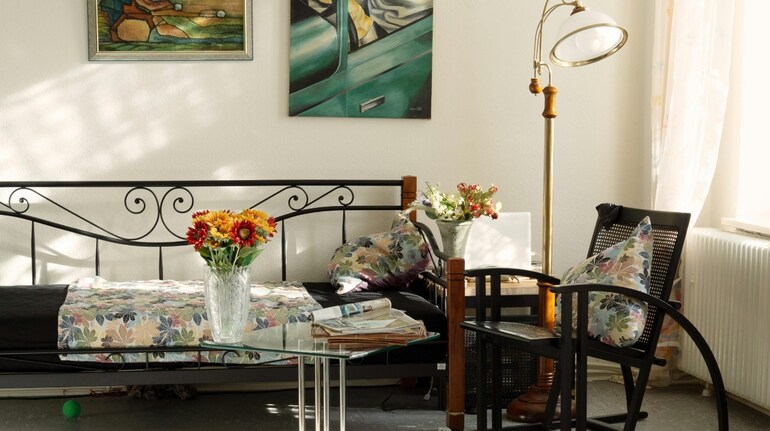

The concept of minimalism seems to be undergoing a change. For years, minimalism was associated with stark white walls, ultra-clean lines, sparse furniture, and muted colour palettes. Spaces were designed to look timeless and perfectly arranged.
While that aesthetic had its moment, today’s homeowners are leaning towards something warmer and more expressive. Paarth Chheda, President - Business Development, Sri Lotus Developers & Realty Limited, shared five reasons why minimalism is evolving:
Homeowners are no longer satisfied with spaces that simply look “tasteful.” They want spaces that feel like them. “A bold artwork, a sculptural chair, a textured wall, or a dramatic light fixture is no longer seen as risky. It is seen as expressive,” Paarth pointed out.
Also read | 7 architect-approved home decor tips to design a wellness and energy-efficient home
Talking about younger buyers, Paarth said, “Minimalism is less about aesthetic rigidity and more about flexibility. They want homes that allow freedom, mobility and financial prudence.” Within that framework, they are far more comfortable experimenting with décor that reflects their identity.
Minimalism hasn’t been eliminated completely, it still remains relevant. “People continue to value decluttering, mindful purchases and meaningful possessions. But they are no longer equating minimalism with visual emptiness. The focus has shifted from “less for the sake of less” to “less, but better and more personal,”” Paarth added.
There is also a practical shift underway. Large, ostentatious homes demand time, upkeep and long-term commitment. Paarth noted, “Many urban homeowners are questioning that equation. Instead of scale, they are prioritising curation. A smaller, well-designed space with distinct character often feels more valuable than a larger home filled with safe choices.” The idea is not to impress, but to express.
Also read | Moonlit Silk: How to use calm greens, the most coveted colour of 2026, in home decor
“Younger buyers especially are far less interested in copying a trend. They are comfortable mixing eras, textures and influences. A contemporary layout might coexist with vintage pieces or bold art. The goal is not visual perfection. It is to be authentic,” he said. Homes are becoming more layered because people themselves are more layered.
The earlier version of minimalism often prioritised visual perfection. Today’s version prioritises emotional connection. A home can still be clean, functional and thoughtfully designed, but it does not have to be silent. It can hold stories, texture and personality.
Discover the latest Business News, Sensex, and Nifty updates. Obtain Personal Finance insights, tax queries, and expert opinions on Moneycontrol or download the Moneycontrol App to stay updated!
Find the best of Al News in one place, specially curated for you every weekend.
Stay on top of the latest tech trends and biggest startup news.





