






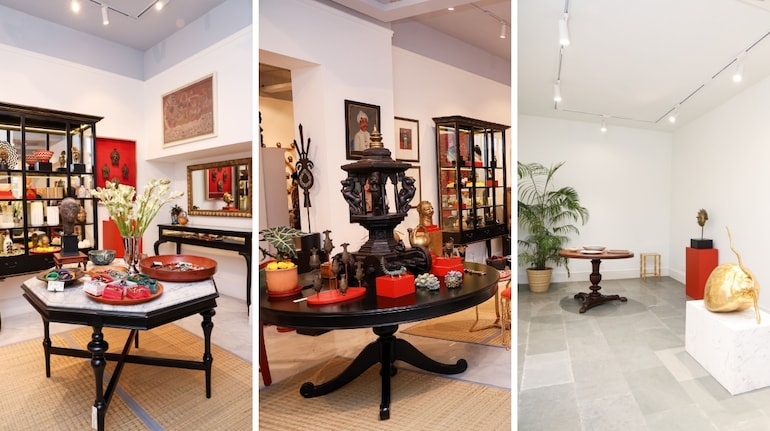
In 2025, homes quietly changed their language. Design moved away from quick visual drama and leaned into spaces that felt grounded, thoughtful, and deeply personal. Interiors were no longer about filling rooms but about building meaning — where Indian craft met contemporary design in ways that felt intuitive rather than curated.
With Mocha Brown crowned as Pantone’s Colour of the Year, brown tones stepped confidently into the spotlight. From walls washed in warm cocoa hues to furniture in espresso and caramel finishes, brown became the anchor colour for modern homes. Unlike stark whites or cool greys of previous years, brown brought emotional warmth and a sense of comfort. It paired effortlessly with creams, muted greens, and terracotta, creating spaces that felt both sophisticated and soothing.
Sustainability moved from being a talking point to a design standard. Furniture made from bamboo, reclaimed wood, cane, and locally sourced stone became mainstream rather than niche. Homeowners actively sought pieces that were durable, renewable, and responsibly crafted. Bamboo dining tables, stone coffee tables, and handcrafted wooden seating gained popularity for their low environmental impact and timeless appeal. The emphasis was on quality over quantity with fewer pieces, designed to last decades rather than seasons.
Handcrafted objects became the soul of modern homes in 2025. From hand-thrown ceramics and blown glass vases to papier mâché sculptures and woven wall art, décor embraced the beauty of human touch. These pieces carried slight imperfections, textures, and stories that mass-produced décor simply cannot replicate. In the context of décor, design was seen not as decoration but as a deeper connection to material, process, and people.
As Vivek Sahni, Founder at Vayu - Design for Living, notes, “Traditional craft practices, folk influences, and modern design coexisted without hierarchy, allowing homes to be built through pieces that carry memory, process, and a sense of belonging. This approach reflected a growing shift in how people engaged with their living spaces, seeking objects that felt meaningful, authentic, and personal rather than purely aesthetic.”
Another strong undercurrent was nostalgia with purpose. Vintage furniture, heirloom décor, and recycled objects made a powerful comeback. Old wooden trunks became coffee tables, antique mirrors returned to living rooms, and salvaged metal or stone elements were reimagined into contemporary accents. It reflected a conscious rejection of disposable décor and a renewed respect for craftsmanship that has already stood the test of time.
Stone emerged as a defining materialin both décor and construction. Natural stone floors, textured stone walls, lime-plastered surfaces, and handcrafted stone sinks added depth and permanence to homes. Granite, sandstone, and marble were used in raw or minimally polished forms, celebrating their natural grain and imperfections. Stone brought a sense of stability and connection to the earth as an aesthetic choice rooted in longevity.
Discover the latest Business News, Sensex, and Nifty updates. Obtain Personal Finance insights, tax queries, and expert opinions on Moneycontrol or download the Moneycontrol App to stay updated!
Find the best of Al News in one place, specially curated for you every weekend.
Stay on top of the latest tech trends and biggest startup news.




