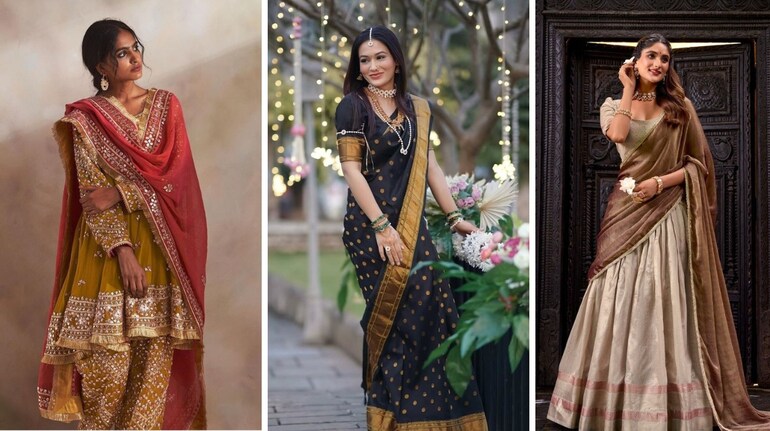

As India’s harvest festivals arrive, the year starts with Lohri in the north, Sankranti across the west and south, alongside Bihu and Pongal in the east and south. The gloomy mood shifts subtly from winter’s hush to a season of colour, gratitude, and renewal. This winter, fashion finds its most elegant expression in silhouettes that honour heritage while adapting effortlessly to contemporary wardrobes.
There is a quieter, more thoughtful approach shaping festive fashion right now -- one that privileges comfort, craft, and authenticity over fleeting trends. As Nishant Malhotra, Founder at Weaverstory, says, “Festivals like Makar Sankranti and Lohri have always represented to me the quiet shift from cold to warmth, from stillness to movement. They remind us that celebration does not have to be loud to be meaningful. Often, it lives in colour, texture, and the simple act of dressing with intention. For me, festive dressing is about comfort, confidence, and continuity. It is about honouring craft without treating it as a costume, and allowing heritage to evolve naturally into everyday life.”
Lohri’s evening celebrations invite richer textures and deeper tones. Salwar suits remain a timeless choice, but this season, styling is all about elevation. Think jewel-toned kurtas paired with tailored trousers, finished with a soft phiran-style layer or a long woollen jacket for warmth. Pashmina shawls, especially those in natural dyes or handwoven patterns, add quiet luxury without overpowering the outfit.
The Farshi salwar set, currently enjoying a strong revival, feels especially relevant for winter festivities. Its floor-grazing silhouette brings drama, while heavier fabrics like velvet, silk blends, or winter cotton make it practical for the season. Styled with shorter kurtas, minimalist jewellery, and structured capes, the look feels contemporary yet rooted. A statement cape over a Farshi set can transform the ensemble into a modern festive classic, perfect for intimate gatherings and outdoor bonfires alike.
Harvest festivals celebrated during the day call for a different aesthetic with the one that embraces brightness, lightness, and movement. Handwoven saris take centre stage here, from vibrant Ikats and Jamdanis to Banarasi silks, Maheshwaris, and regional cotton weaves. Shades inspired by the sun and earth like mustard, vermilion, parrot green, turmeric yellow, and deep reds etc. feel especially resonant for morning poojas.
Jewellery, too, becomes an extension of storytelling. Temple jewellery, heirloom gold, silver filigree, and floral adornments bring authenticity to festive looks. Fresh flower jewellery like gajras, jasmine strings, or even marigold-inspired accessories adds softness and fragrance, making it ideal for daytime rituals. For winter mornings, layering a sari with a fine woollen blouse, a silk shawl, or a lightweight pashmina keeps the look practical without compromising elegance.
Also Read: Ananya Panday steps out in violet kaftan dress, can you guess its price?
What defines festive dressing today is not excess but awareness. Speaking of festive aesthetics, Malhotra adds, “In a time where trends move fast, I feel these festivals invite us to pause and return to what is timeless. Handwoven textiles, natural fibres, and colours inspired by the sun and earth carry a sense of grounding that feels especially relevant today. They connect us not just to tradition, but to the people and processes behind what we wear.”
This renewed focus on handloom and natural fibres aligns beautifully with the spirit of harvest festivals with celebrations rooted in land, labour, and gratitude.
Discover the latest Business News, Sensex, and Nifty updates. Obtain Personal Finance insights, tax queries, and expert opinions on Moneycontrol or download the Moneycontrol App to stay updated!
Find the best of Al News in one place, specially curated for you every weekend.
Stay on top of the latest tech trends and biggest startup news.