






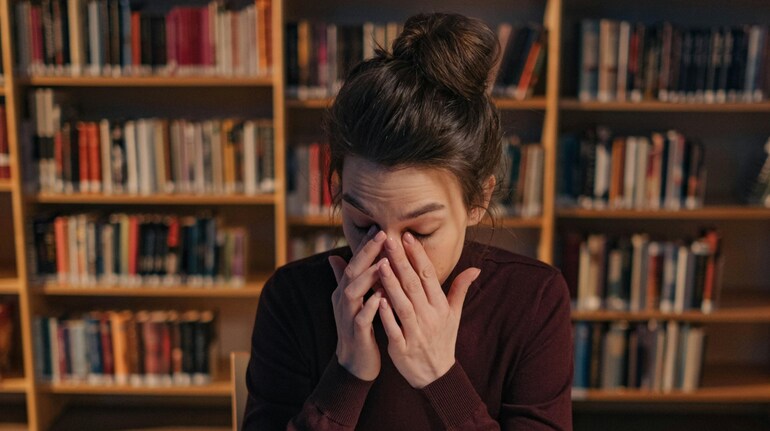
Increasing number of working women suffer from menstrual irregularities due to prolonged stress. The identification of stress as one of the causes is crucial to early treatments and improved menstrual well-being.
Working women today are navigating a busy working environment, family life filled with personal responsibilities, and relentless connectedness. This development has represented a boon for some, but this increased stress also does damage in silence. One issue that’s getting more attention, is irregular menstrual. Chronic stress disrupts the body’s hormone balance so that periods are delayed, missed or irregular. These shifts are frequently brushed aside as being temporary or a possible side effect of the daily lifestyle.
As explained by Dr Keerti Khetan, Director Department of Obstetrics & Gynaecology CK Birla Hospital®, Delhi, chronic stress is the most underestimated but biggest reasons of menstrual disturbances in employed women. It is of utmost importance to recognize the association for early intervention, healthier living and appropriate medical advice for long-term effects on fertility and the hormones.
Whenever your body senses stress, it produces too much cortisol. Although cortisol is useful during "fight or flight" responses, it negatively affects the pituitary-ovarian axis when it is overproduced, as it is supposed to regulate ovulation and menstruation. Therefore, it may cause absent or late menstrual cycles, heavier or lighter-than-normal menstrual flows, and premenstrual syndrome for a longer period than usual.
Also read: Doctor says these 3 medicines can save a heart attack patient
Long hours, tight schedules, and the practice known as multitasking trigger the body to remain in a state of hyperalertness. Professional stress for many women is exacerbated by what is known as the "second shift" associated with household and childcare responsibilities. There is very little time for physical or psychological restoration, and this only adds to the exacerbations associated with hormonal imbalances.
Chronic stress is usually not an isolated incident. It often alters our habits for the worse. Lack of sleep, irregular eating, and a lack of physical activity are now part of our lifestyle. For most of us, turning to too much caffeine, processed foods, or staying up late gazing at screens is a coping strategy, leading to hormonal imbalances affecting our menstrual cycle.
The symptoms of stress-related disorders do not always present in the expected way, such as when the menstruation period was completely missed. The disorders also manifest in the form of excess cramping, irregularities in the menstrual cycles, severe acne outbreaks, mood changes, bloating, and fatigue. The major factor why the required assistance takes longer to obtain is the normalization of these symptoms due to which people put off seeking the required aid.
Maintenance of your menstrual health necessitates managing your stress levels. It is essential to take regular exercises, ensure 7-8 hours of sleep, eat healthy diets, and take ample downtime. It is very simple. One only has to practice yoga, meditative breathing exercises, meditation, and take breaks from digital stimulation in order to decrease cortisol levels.
Also read: Are the eggs you eat for breakfast safe? Doctor says beware of this one substance
If your periods are still irregular even with healthy lifestyle changes, it is necessary for you to consult for an evaluation. This is because issues like PCOS, thyroid-related issues, or hormonal changes may be ruled out for you to be treated for the appropriate condition.
Q1. What is chronic stress?
Chronic stress refers to ongoing emotional or physical stress that lasts for weeks or months, such as work pressure, financial worries or long-term anxiety.
Q2. How does chronic stress affect the menstrual cycle?
Chronic stress disrupts the balance of hormones that regulate the menstrual cycle, which can lead to delayed, irregular or missed periods.
Q3. Can stress cause periods to stop completely?
Yes. Prolonged high stress can suppress ovulation, leading to missed periods or temporary absence of menstruation (amenorrhoea).
Q4. Does stress make periods more painful?
Stress can increase muscle tension and inflammation, which may worsen cramps, headaches and overall menstrual discomfort.
Q5. Can chronic stress affect period flow?
Yes. Some women may experience heavier bleeding, while others may notice lighter or shorter periods due to hormonal imbalance.
Disclaimer: This article, including health and fitness advice, only provides generic information. Don’t treat it as a substitute for qualified medical opinion. Always consult a specialist for specific health diagnosis.
Discover the latest Business News, Sensex, and Nifty updates. Obtain Personal Finance insights, tax queries, and expert opinions on Moneycontrol or download the Moneycontrol App to stay updated!
Find the best of Al News in one place, specially curated for you every weekend.
Stay on top of the latest tech trends and biggest startup news.




